Mobile:+86-311-808-126-83
Email:info@ydcastings.com

Pump Parts Made Simple: A Quick Guide for Everyone
Let's talk about pumps. You might hear words like pump casing and think it's just for big factories or complicated machines. But the truth is, these parts are everywhere in our daily lives. They're in the water pump that brings water to your home, the cooling system in your car, and even in your aquarium's filter. Knowing a little about these key parts can help you understand how things work, make better choices when you need to fix something, or even just appreciate the engineering hidden in plain sight. This guide will break down the essentials in simple terms.
Your Pump Casing is the Heart of the System
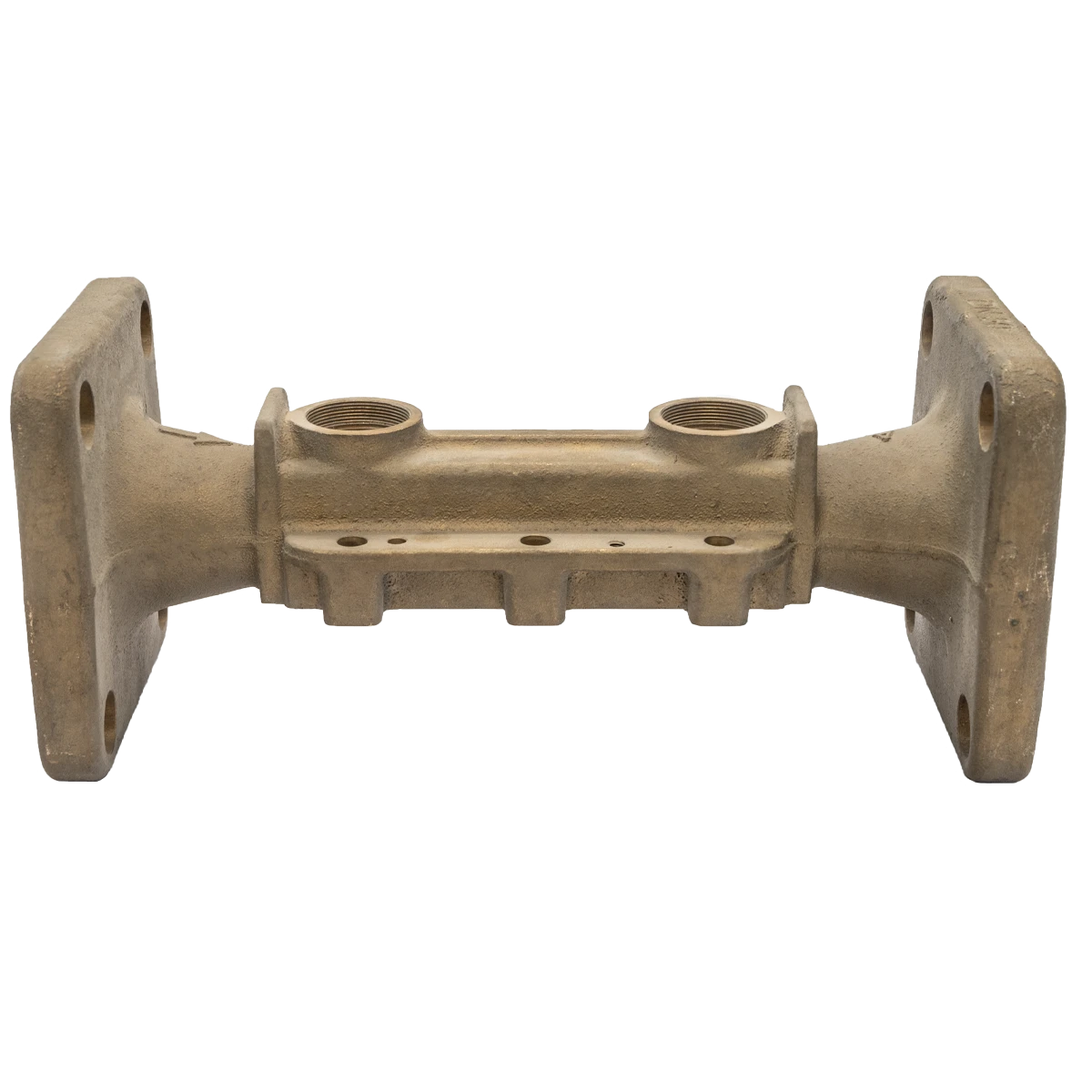
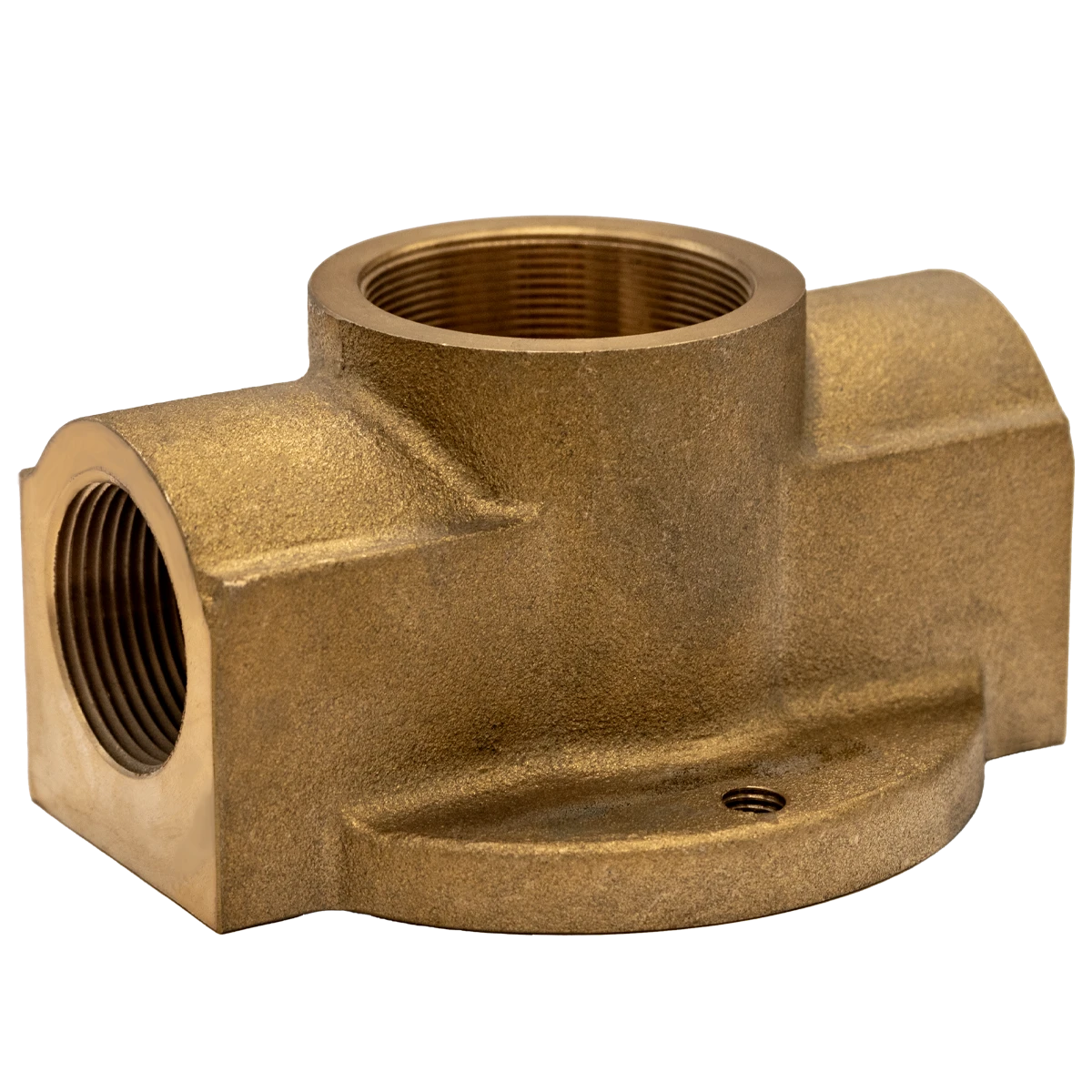
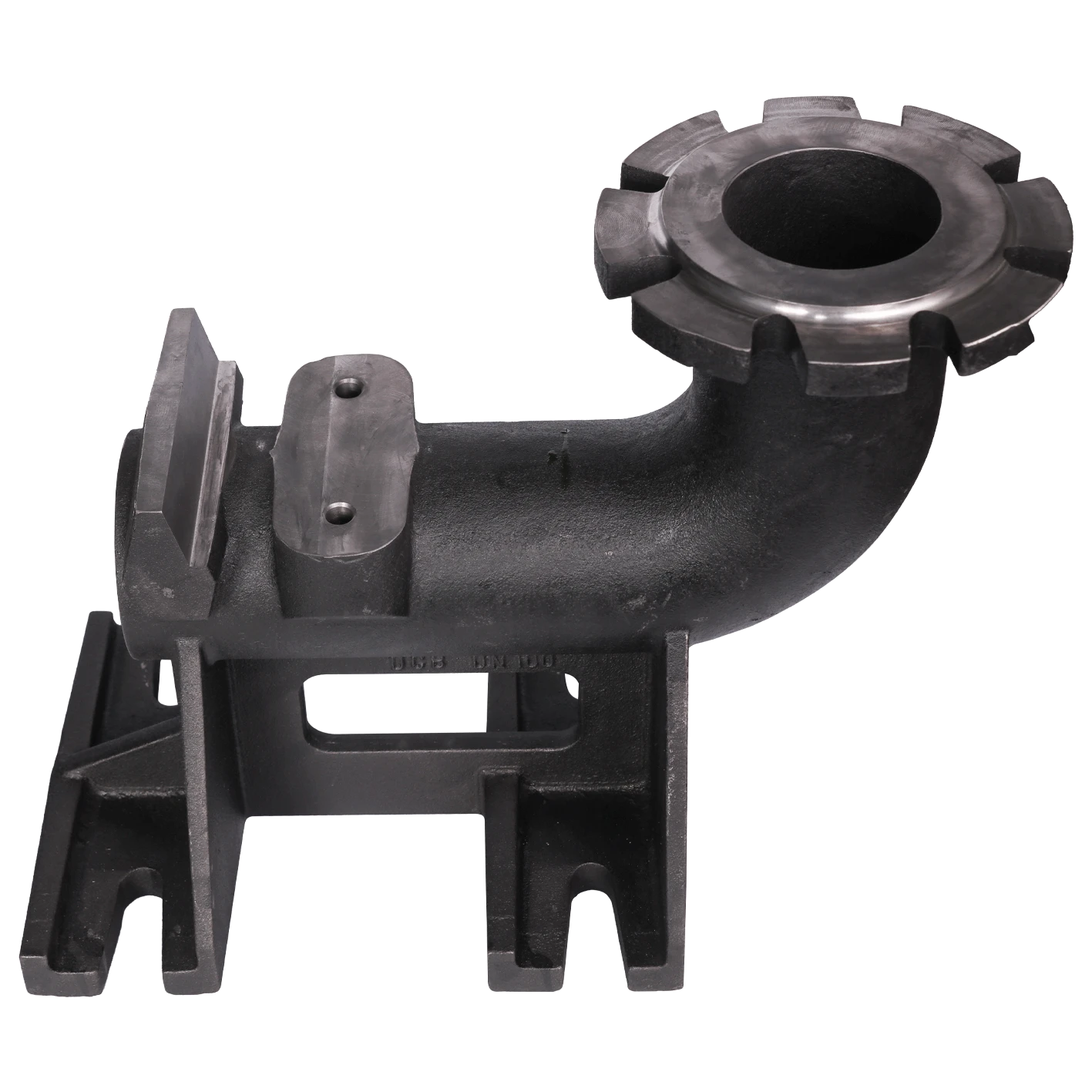
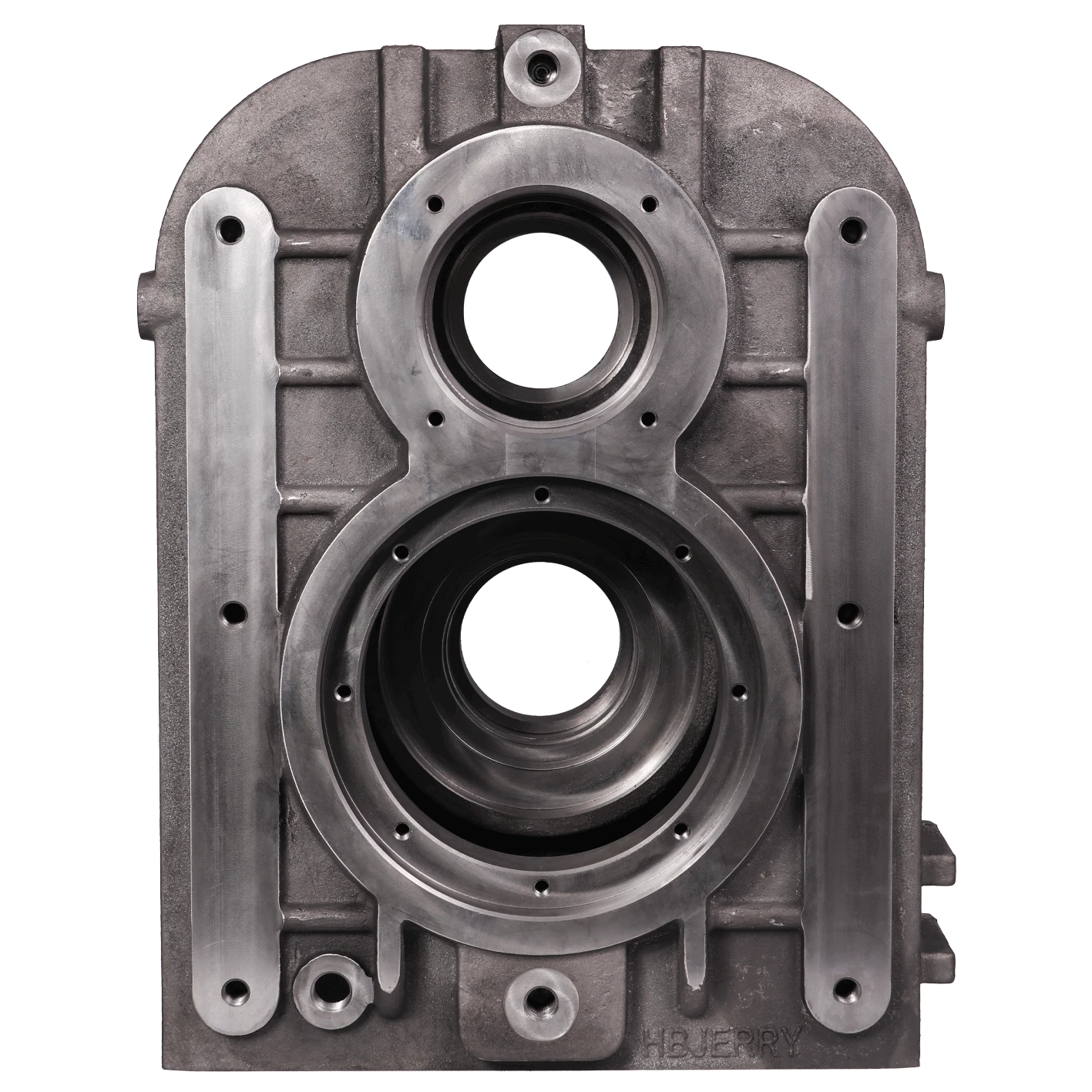
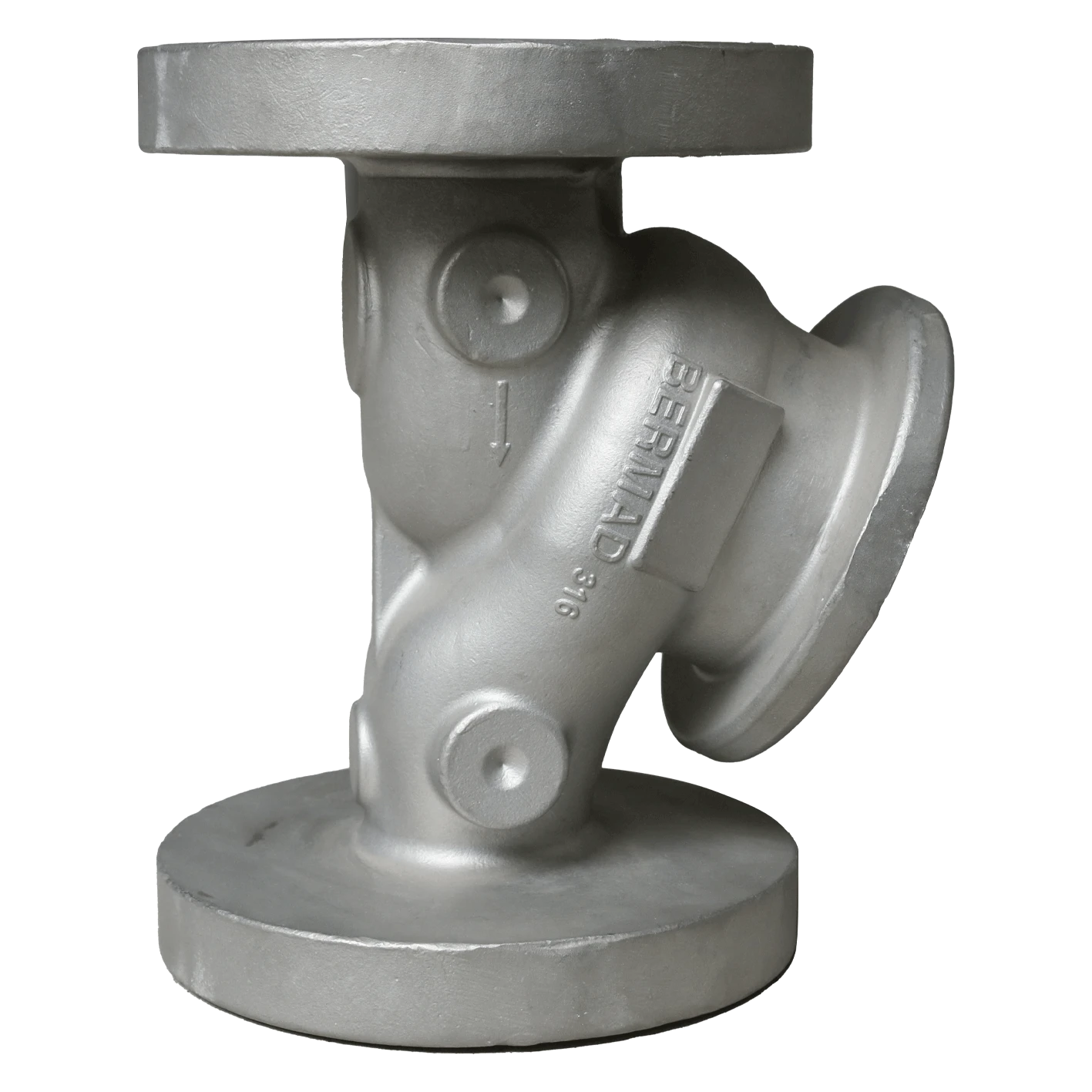
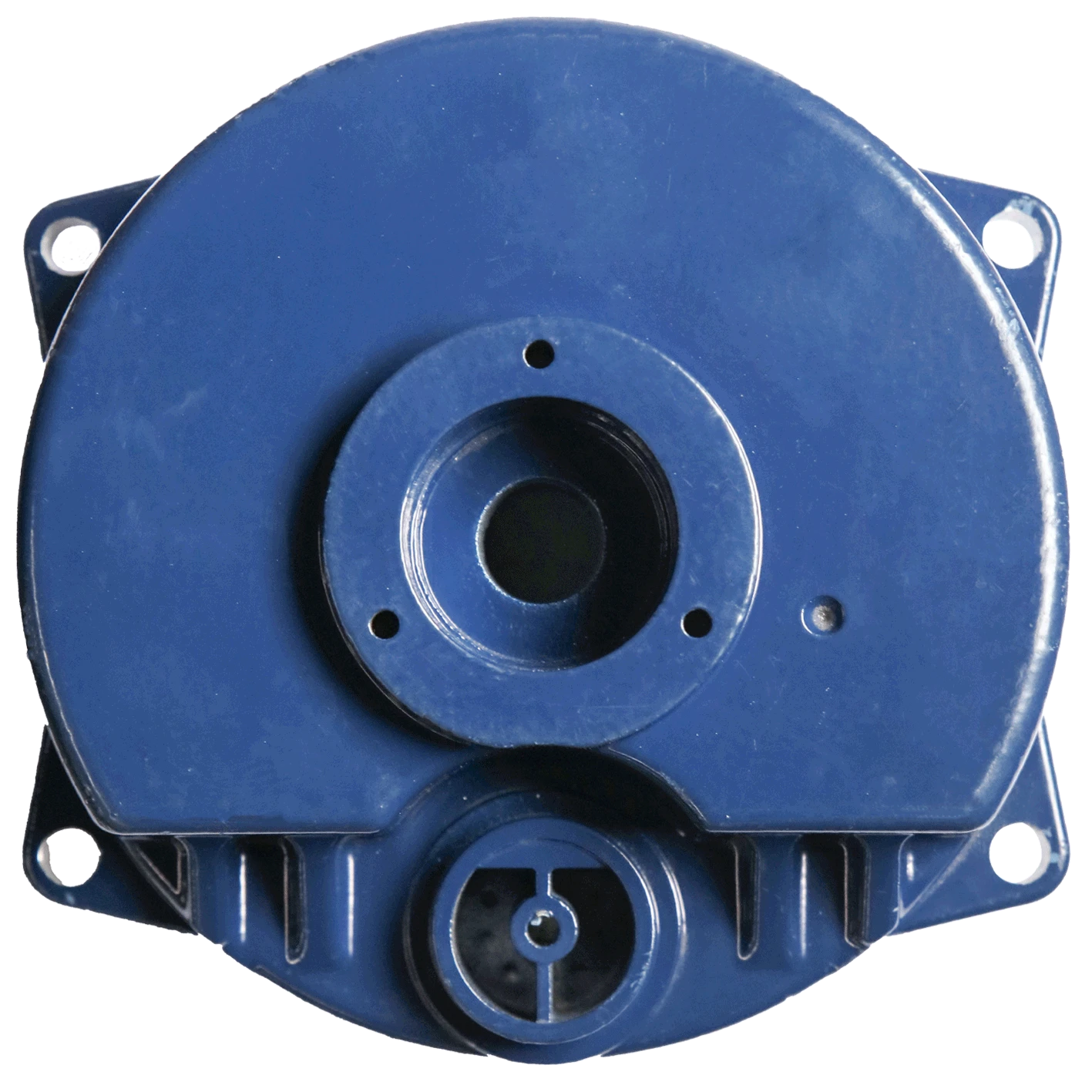
Think of the pump casing as the outer shell or the body of the pump. Its main job is super important: it holds everything together and guides the flow of water or fluid. A well-made pump casing is strong, doesn't leak, and is designed to handle pressure without cracking. It's the foundation that keeps the whole system secure and running smoothly, whether it's in a small garden fountain or a large industrial setup.
Now, inside many pumps, you'll find a special type of pump casing called a volute casing. This part is shaped like a spiral or a snail shell. Why that shape? As the impeller spins and flings fluid outwards, the volute casing catches it. Its expanding spiral shape gently slows down the fast-moving fluid and converts that speed into steady pressure. This smart design makes the whole pump work more efficiently, using less energy to move more water.
The Impeller for Motor is the Spinning Workhorse
If the casing is the heart, then the impeller for motor is the muscle. This is the part that actually moves the fluid. It's a wheel with curved blades attached to the motor's shaft. When the motor spins it, the blades push the water or air outward, creating flow. The design of the impeller for motor—the shape, size, and angle of its blades—directly determines how much fluid the pump can move and how much pressure it can build.
When you need serious power and speed, you move into the realm of the impeller turbo. This term is often linked to turbochargers in car engines. Here, a special impeller turbo spins at incredibly high speeds, driven by exhaust gases, to force more air into the engine. It's a high-performance version of an impeller, designed for intense conditions. While not your everyday pump part, it's a brilliant example of how impeller technology is used to boost power.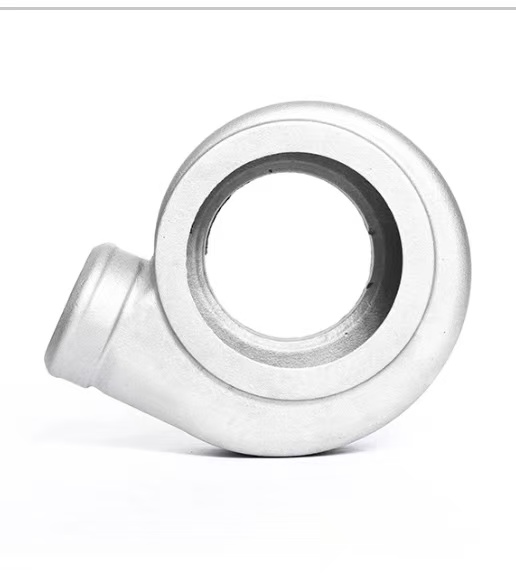
Matching Your Parts is Key to Performance
Getting the best performance isn't about one single part; it's about how they all work together. The right impeller for motor must be perfectly matched to the pump casing or volute casing it sits inside. If they're a mismatch, you'll get problems like vibration, noise, low pressure, or wasted energy. Whether you're replacing a part in a home system or specifying parts for a project, making sure these core components are designed to work as a team is the secret to a quiet, efficient, and reliable pump.
Pump Parts FAQs
What's the main difference between a pump casing and a volute casing?
A pump casing is the general term for the pump's outer housing. A volute casing is a specific, common type of pump casing with a spiral shape designed to create pressure more efficiently. So, all volute casings are pump casings, but not all pump casings are volute casings.
Can I replace an impeller myself?
For small, simple pumps like in a pond or aquarium, yes, replacing an impeller for motor can be a DIY job if you're handy. Always disconnect power first! For critical systems like your home's well pump or your car's engine, it's usually best to have a professional handle it.
What does "impeller turbo" usually refer to?
Most often, impeller turbo refers to the turbine wheel inside a turbocharger for a car, truck, or other engine. It's a high-speed impeller that uses exhaust gas to spin and pump air into the engine, boosting its power.
How do I know if my pump casing is damaged?
Signs of a damaged pump casing can include visible cracks, fluid leaking from the pump body (not from a seal or connection), a drop in performance, or unusual vibrations. Rust and severe corrosion can also weaken the casing over time.
Why is the shape of the volute casing so important?
The spiral shape of the volute casing is crucial because it's designed to catch the fluid from the impeller and convert its speed into pressure smoothly. A well-designed volute minimizes turbulence and energy loss, making the pump quieter and more efficient.
Understanding these core parts—the sturdy pump casing, the clever volute casing, the hard-working impeller for motor, and the high-performance impeller turbo—helps you see the smart engineering in the machines around you. Whether you're a homeowner, a hobbyist, or in the industry, choosing the right matched components is the key to reliability and efficiency.
Ready to find the perfect part for your needs? Explore our extensive online catalog today. We have everything from durable pump casing replacements to high-efficiency impeller for motor options, all designed to work together seamlessly. Head over to our website now to browse our selection, get expert advice, and keep your systems running smoothly!
-
Precision Valve Castings for Agricultural Irrigation and Fluid Control SystemsNewsMay.08,2026
-
Precision Impeller and Compressor Components for Agricultural MachineryNewsMay.08,2026
-
Essential Cast Components for Agricultural Machinery: Oil Management and Motor ProtectionNewsMay.08,2026
-
High-Performance Cast Components for Agricultural Machinery: From Cooling to Exhaust SystemsNewsMay.08,2026
-
Agricultural Valve Castings: Durable Flow Control Solutions for Farm Irrigation SystemsNewsMay.08,2026
-
High-Performance Agricultural Pump Components: Precision Castings for Reliable Farm OperationsNewsMay.08,2026