English

Mobile:+86-311-808-126-83
Email:info@ydcastings.com
English
pressure casting
Pressure Casting An Efficient Manufacturing Process
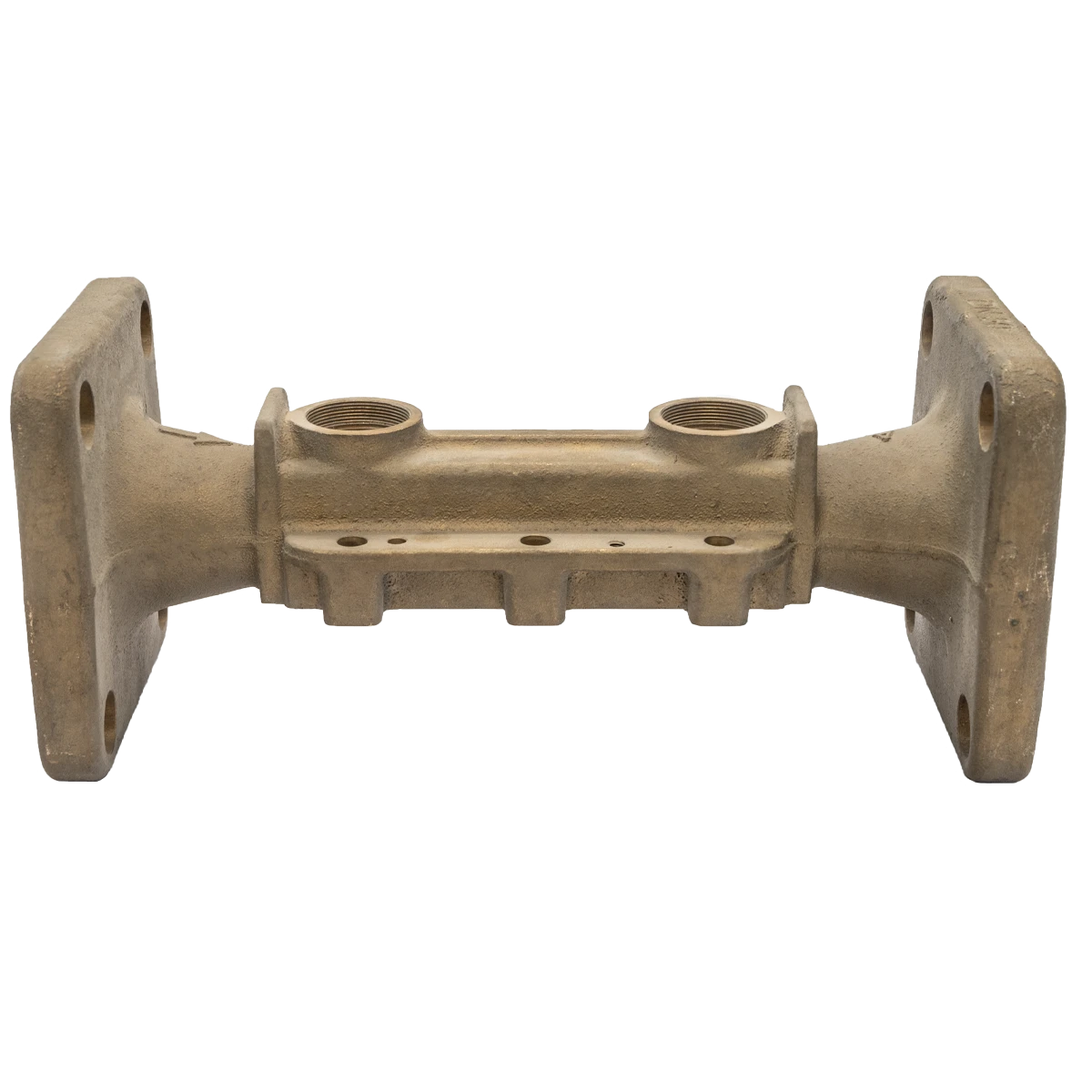
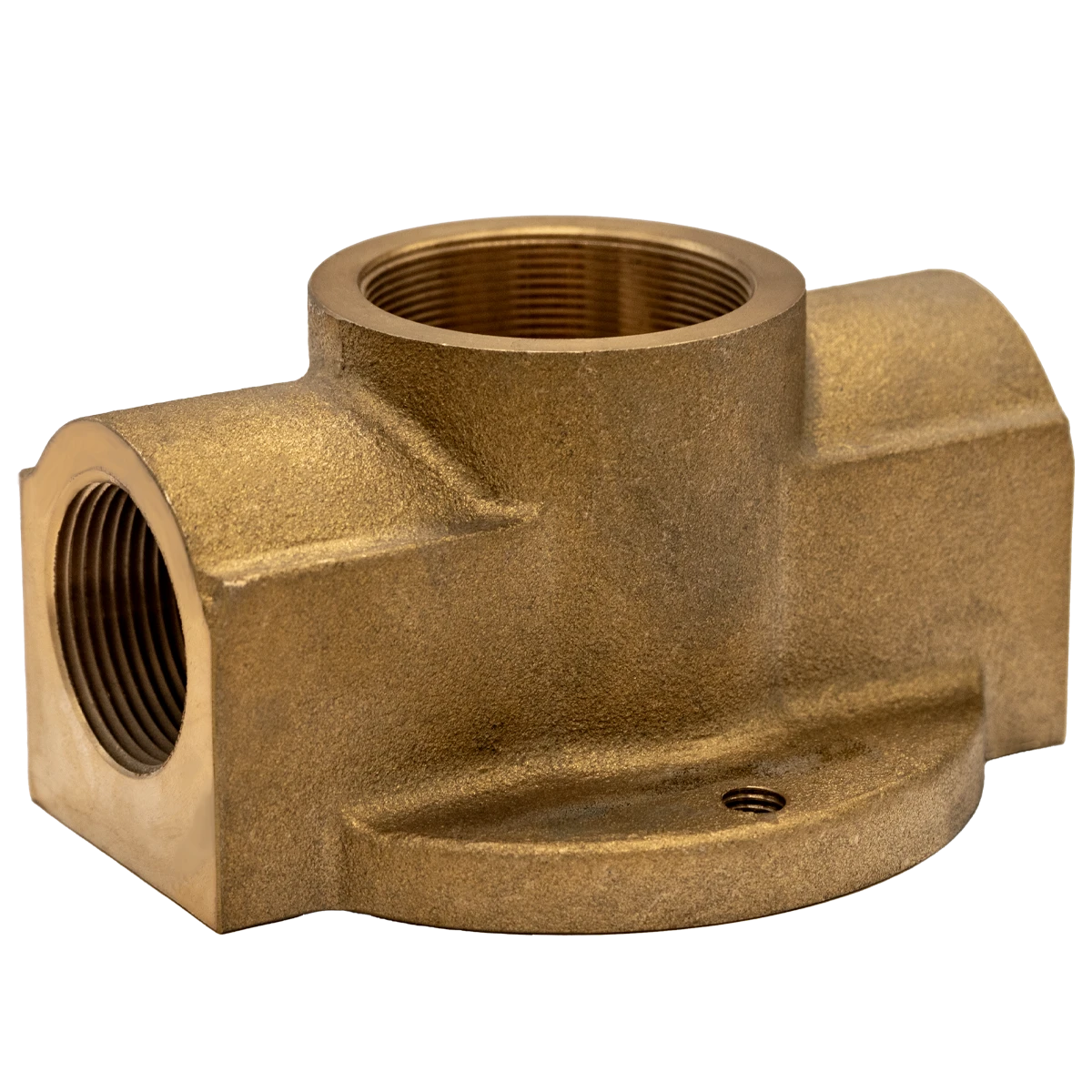
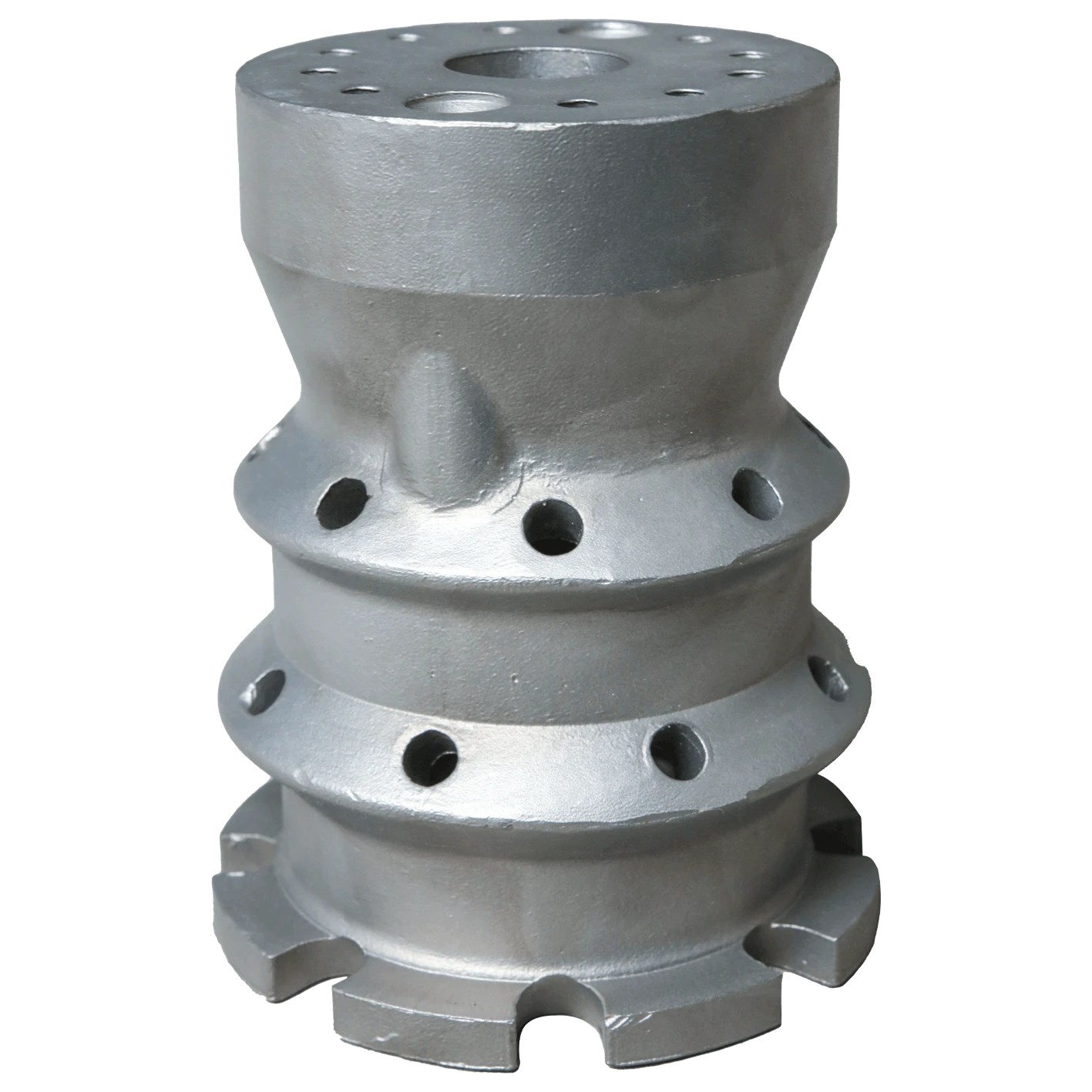
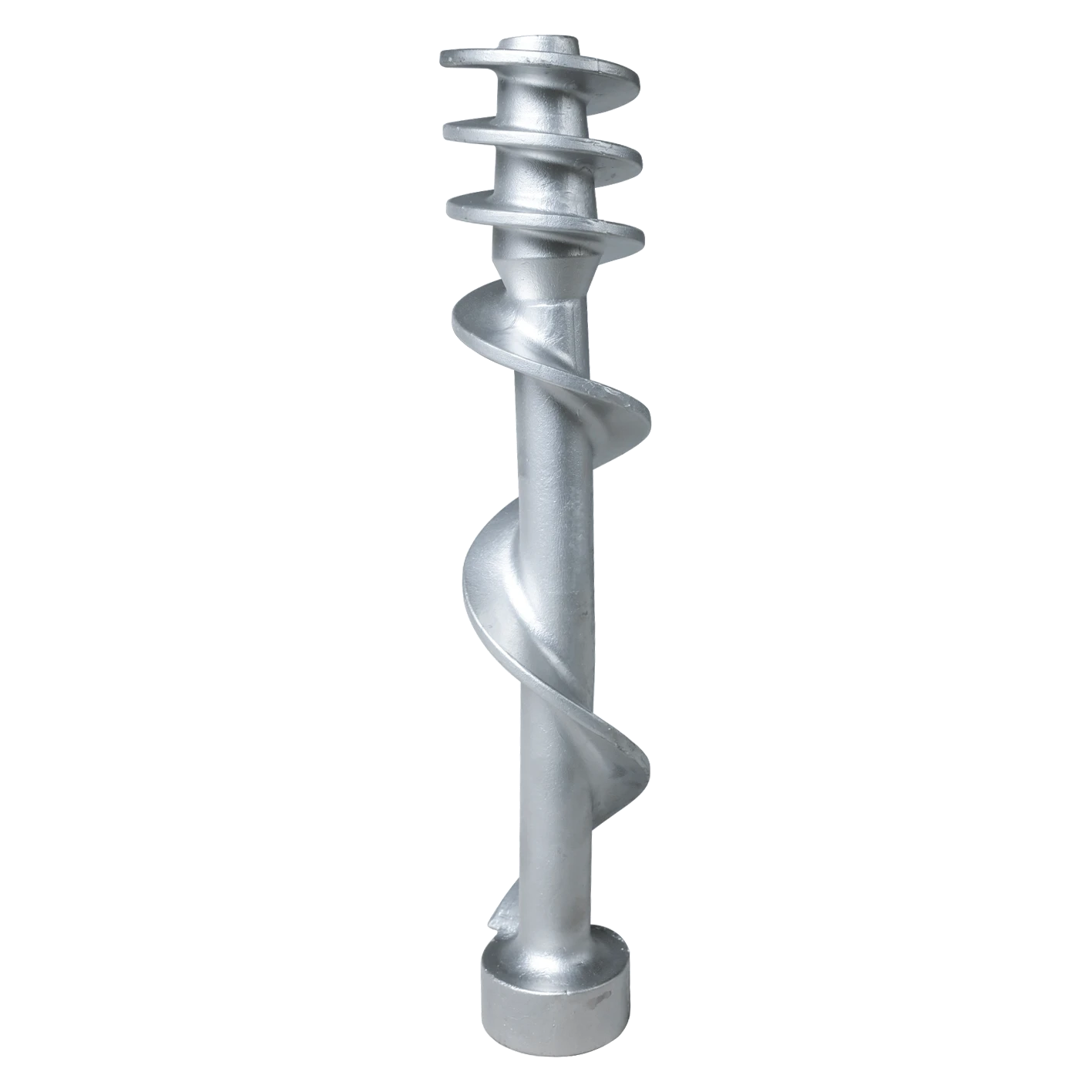
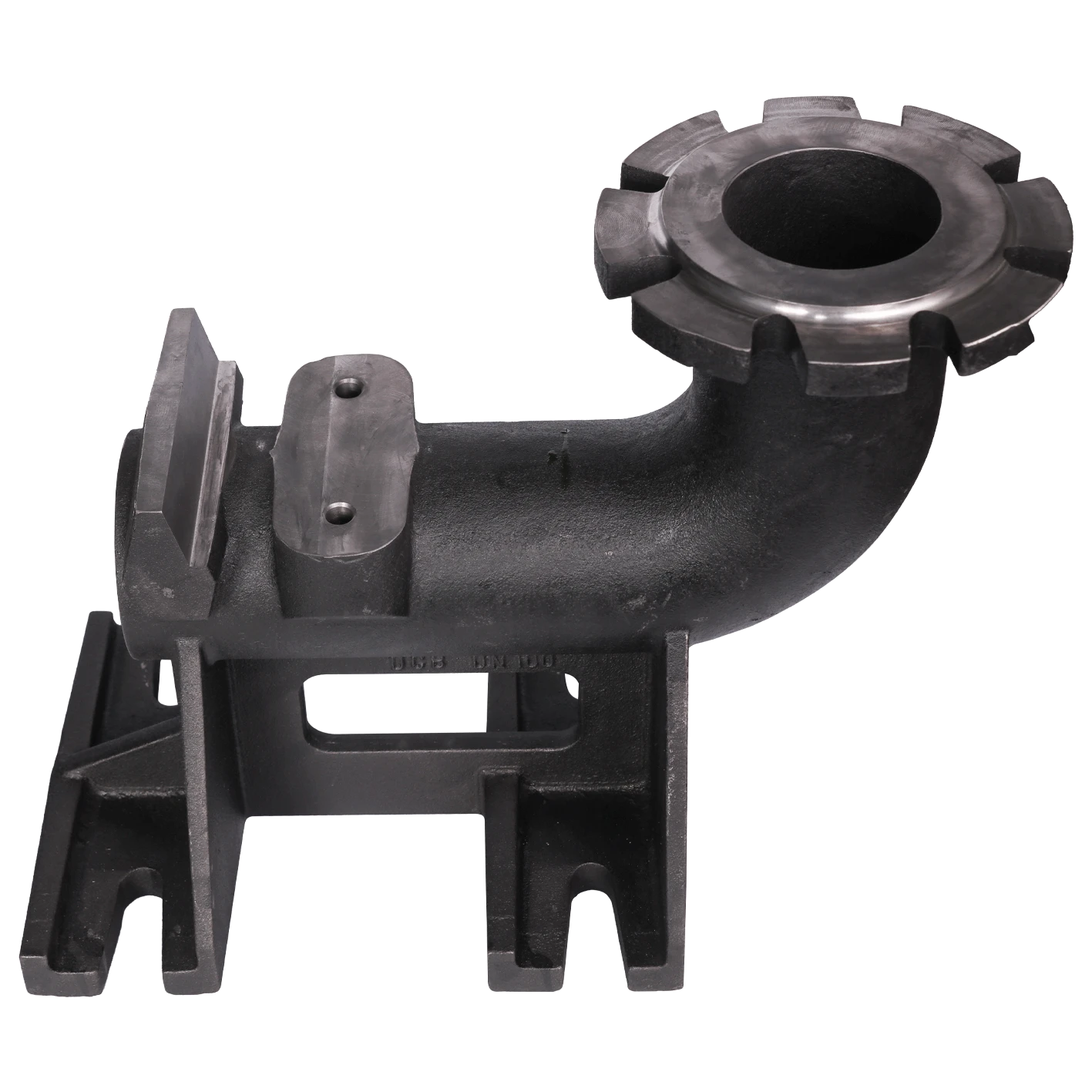
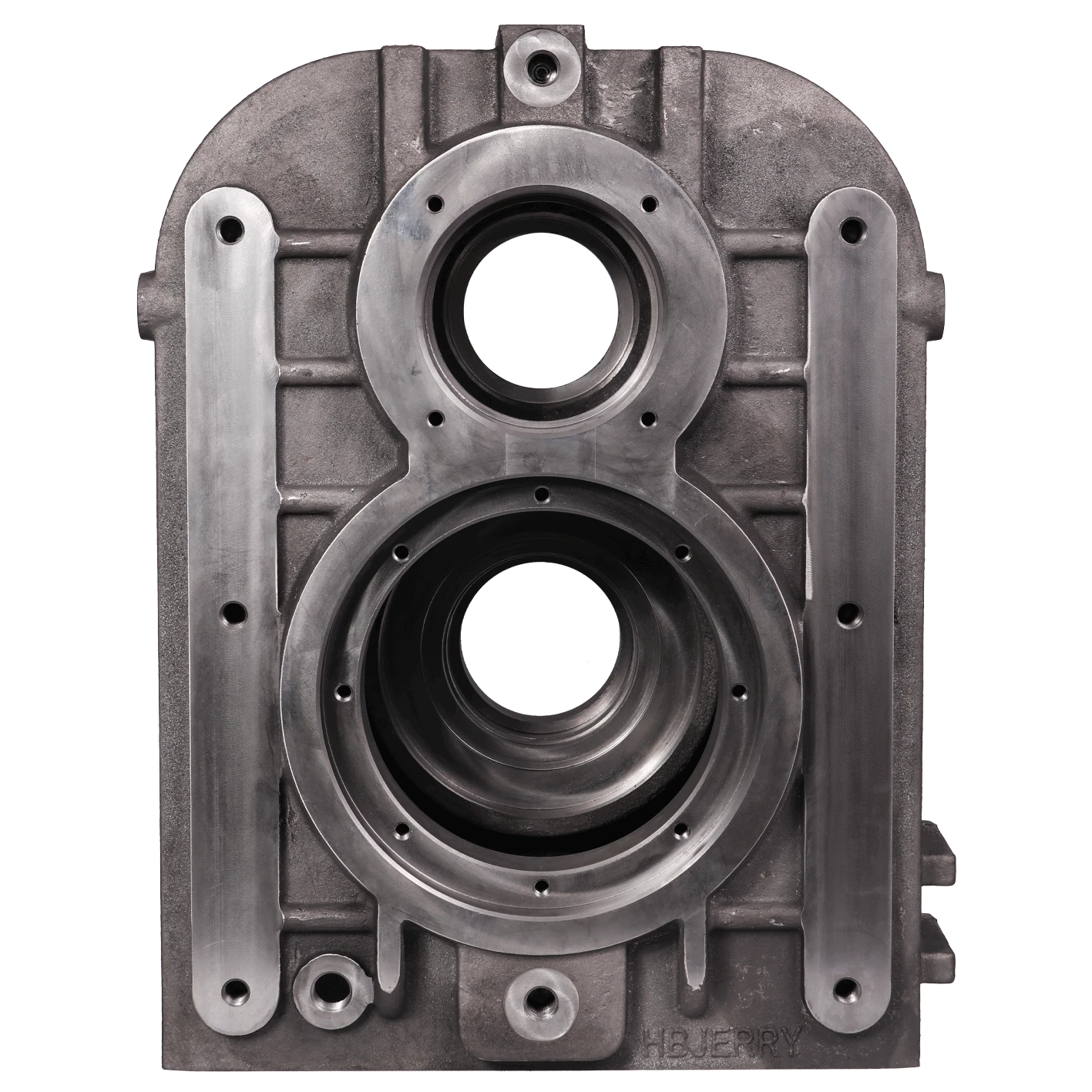
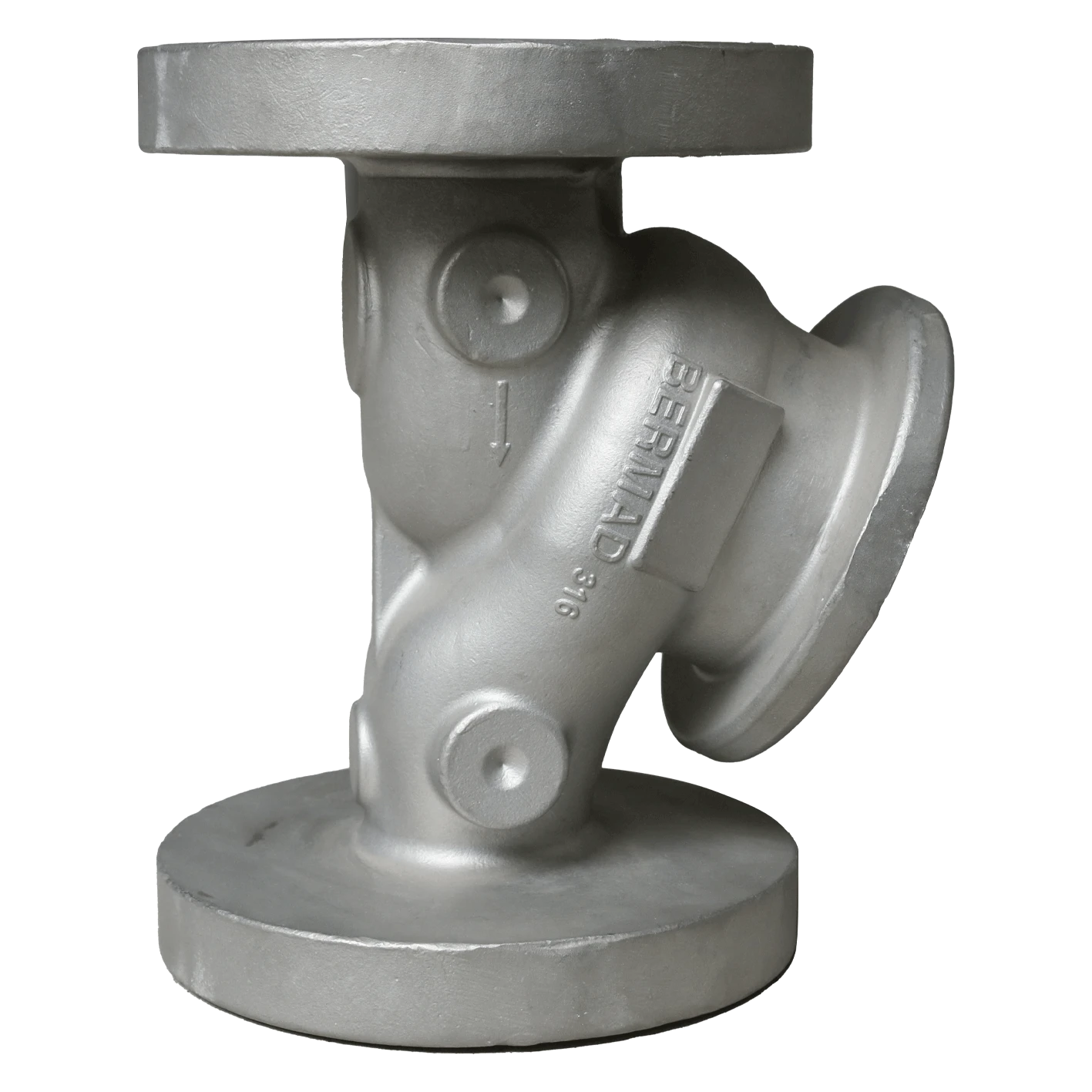
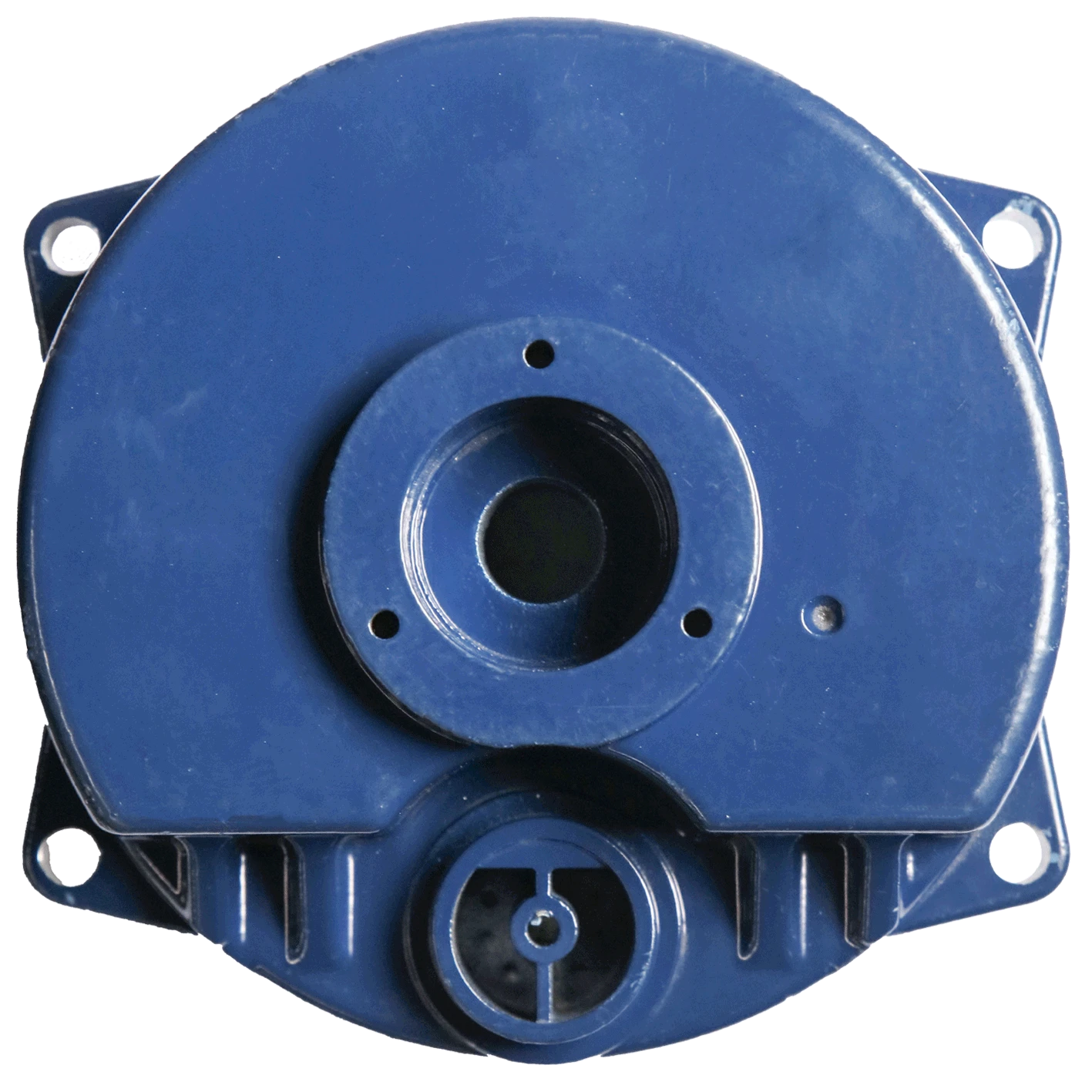
Pressure casting, also known as pressure die casting, is a widely used manufacturing process that involves forcing molten metal into a mold cavity under high pressure. This technique is popular in the production of components, particularly in the automotive, aerospace, and consumer electronics industries, due to its ability to create intricate shapes with excellent dimensional accuracy and surface finish.
The pressure casting process begins with the preparation of the metal alloy, which is typically aluminum, zinc, or magnesium. The selected alloy is melted in a furnace and then transferred to a pressure chamber. Once the molten metal reaches the appropriate temperature, the pressure casting machine injects it into a steel mold at high pressure. This pressure can range from 1,000 to 3,000 psi, ensuring that the molten metal fills every part of the mold cavity quickly, minimizing the risk of defects such as air pockets or porosity.
One of the notable advantages of pressure casting is the speed of production. The entire cycle, from melting the metal to cooling and solidifying in the mold, can take as little as a few seconds. This rapid cycle time makes it possible to produce large volumes of parts in a relatively short period, making it economical for mass production.
pressure casting
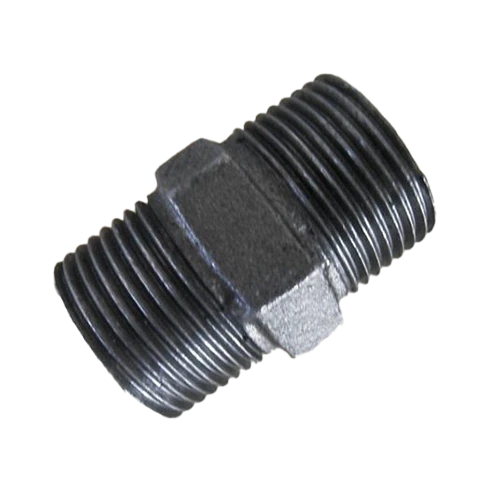
Moreover, pressure casting allows for the creation of complex geometries that may be challenging or impossible to achieve with traditional casting methods. The high-pressure environment allows for thin-walled sections, intricate details, and a smooth surface finish that often requires little to no additional machining. This precision reduces material waste and contributes to cost savings for manufacturers.
Despite its many benefits, pressure casting is not suited for all applications. The process requires a significant initial investment in specialized machinery and mold-making, which can be cost-prohibitive for small-scale operations or low-volume production runs. Additionally, the high pressures involved necessitate strong and durable molds, typically made from high-quality steel. These molds can be expensive to produce and may require maintenance over time.
Another consideration is the limitation in the types of metals that can be effectively used in pressure casting. While aluminum and zinc are common, not all metal alloys can withstand the demanding conditions of this process. Therefore, manufacturers must carefully select materials based on their application requirements.
In conclusion, pressure casting is an effective and efficient manufacturing technique that offers numerous advantages in producing high-quality metal components. Its ability to create complex shapes rapidly and accurately makes it an attractive option for industries requiring high-volume production. However, the initial costs and material limitations mean that it is essential for manufacturers to evaluate their specific needs and consider the overall production costs before adopting this method. As advancements in technology continue, pressure casting is likely to evolve, potentially expanding its applications and further enhancing its capability in the manufacturing landscape.
-
Precision Valve Castings for Agricultural Irrigation and Fluid Control SystemsNewsMay.08,2026
-
Precision Impeller and Compressor Components for Agricultural MachineryNewsMay.08,2026
-
Essential Cast Components for Agricultural Machinery: Oil Management and Motor ProtectionNewsMay.08,2026
-
High-Performance Cast Components for Agricultural Machinery: From Cooling to Exhaust SystemsNewsMay.08,2026
-
Agricultural Valve Castings: Durable Flow Control Solutions for Farm Irrigation SystemsNewsMay.08,2026
-
High-Performance Agricultural Pump Components: Precision Castings for Reliable Farm OperationsNewsMay.08,2026