English

Mobile:+86-311-808-126-83
Email:info@ydcastings.com
English
bulkhead connector
Understanding Bulkhead Connectors Key Components for Reliable Connections
Bulkhead connectors are essential components widely used in various industries, including telecommunications, aerospace, automotive, and maritime applications. These connectors provide a reliable means to connect wiring and electronic devices while allowing for environmental protection and mechanical stability. Their design enables them to be mounted on a panel or bulkhead, hence the name bulkhead connector.
One of the primary advantages of bulkhead connectors is their ability to maintain a secure connection between two different environments. For instance, in marine applications, these connectors can be used to join electrical systems on a ship's interior to equipment housed in harsh, wet environments without compromising integrity. The design often features sealing mechanisms, such as O-rings, ensuring that moisture and contaminants do not infiltrate sensitive areas.
Bulkhead connectors are available in various configurations and sizes, accommodating different pin arrangements and housing styles. Common types include circular, rectangular, and D-sub connectors, which cater to specific space and connectivity requirements. This versatility allows engineers and designers to select the appropriate connector for their application's needs, considering factors such as electrical performance, mechanical durability, and environmental specifications.
bulkhead connector
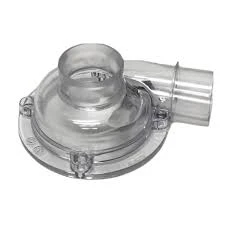
Another important aspect of bulkhead connectors is their ability to handle high levels of electrical current and data transmission. Many bulkhead connectors support multiple contact arrangements, enabling them to transmit power and signal simultaneously. This feature is particularly beneficial in applications where space and weight constraints are critical, such as in aerospace or portable military equipment.
Installation and maintenance of bulkhead connectors are also straightforward. They typically feature rugged locking mechanisms that ensure secure engagement, reducing the risk of accidental disconnection during operation. Additionally, the accessibility of the connectors on the panel simplifies troubleshooting and repairs, reducing downtime and enhancing system reliability.
In conclusion, bulkhead connectors play a vital role in providing secure, reliable connections across numerous applications. Their unique design and ability to withstand harsh environmental conditions make them indispensable components in modern electronic systems. Whether in a ship, aircraft, or industrial equipment, bulkhead connectors ensure that vital systems remain operational and efficient in any environment. As technology continues to evolve, the demand for robust and efficient connection solutions will undoubtedly keep bulkhead connectors at the forefront of connectivity solutions.
-
Precision Valve Castings for Agricultural Irrigation and Fluid Control SystemsNewsMay.08,2026
-
Precision Impeller and Compressor Components for Agricultural MachineryNewsMay.08,2026
-
Essential Cast Components for Agricultural Machinery: Oil Management and Motor ProtectionNewsMay.08,2026
-
High-Performance Cast Components for Agricultural Machinery: From Cooling to Exhaust SystemsNewsMay.08,2026
-
Agricultural Valve Castings: Durable Flow Control Solutions for Farm Irrigation SystemsNewsMay.08,2026
-
High-Performance Agricultural Pump Components: Precision Castings for Reliable Farm OperationsNewsMay.08,2026