English

Mobile:+86-311-8081-2683
Email:info@ydcastings.com
English
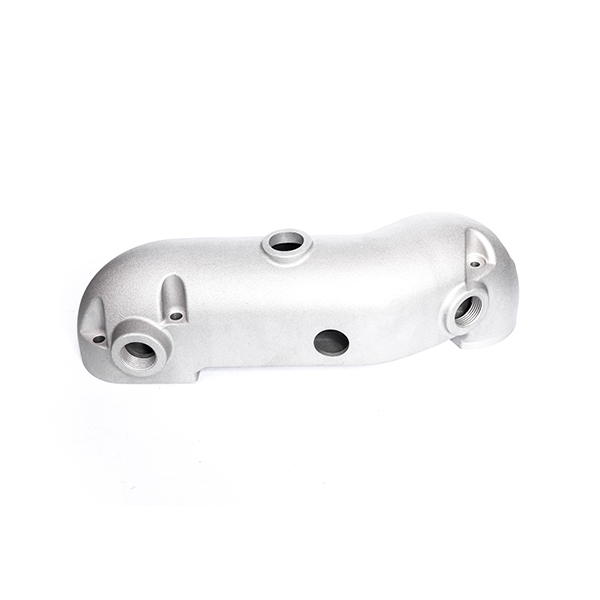
pipe cap cover
Understanding Pipe Cap Covers Importance and Applications
In various industrial and mechanical applications, the use of pipe cap covers plays a significant role in ensuring the integrity and safety of piping systems. These covers, which can be made from various materials such as plastic, metal, or rubber, serve as protective barriers for the ends of pipes, offering a host of benefits that enhance both functionality and safety.
What Are Pipe Cap Covers?
Pipe cap covers are fittings used to seal the open ends of pipes. They come in various shapes and sizes to accommodate different pipe diameters and materials. Commonly used in plumbing, oil and gas, water supply, and various manufacturing industries, these caps can be welded or threaded onto the pipe ends, providing a secure closure that prevents leaks, contamination, and other potential hazards.
Importance of Pipe Cap Covers
1. Protection Against Contaminants One of the primary purposes of pipe cap covers is to prevent foreign materials and contaminants from entering the pipe. This is particularly crucial in systems where purity is essential, such as in food processing or pharmaceutical applications. A secure cap ensures that dust, dirt, and other particulates do not compromise the integrity of the fluids transported within the pipe.
pipe cap cover
2. Safety By sealing the ends of pipes, cap covers help to reduce the risk of accidents. Open ends can pose dangers in work environments, leading to injuries or spills. For example, exposing sharp pipe edges can lead to cuts or abrasions, while open pipes in fluid transport systems might result in leaks or spills that create hazardous working conditions. Caps provide a simple yet effective way to mitigate such risks.
3. Maintenance and Longevity Pipe cap covers also contribute to the maintenance of piping systems. By minimizing exposure to environmental elements, such as moisture and temperature fluctuations, these caps help prolong the lifespan of pipes. This is especially important in outdoor installations where pipes face harsh weather conditions. Regularly covering unused or open pipes helps to minimize corrosion and wear.
4. Cost-Effectiveness Installing pipe cap covers can be a cost-effective solution for companies looking to maintain their piping systems. By preventing leaks, contamination, and potential accidents, businesses can avoid costly repairs, environmental fines, and legal liabilities. Moreover, the maintenance of pipe integrity directly correlates with operational efficiency, reducing downtime and increasing productivity.
5. Types of Pipe Cap Covers Depending on the application, different types of pipe caps may be used. For instance, threaded caps are often used for easy installation and removal, while welded caps provide a permanent seal. Materials vary as well, with options like PVC for lightweight applications, stainless steel for high-pressure situations, and rubber for flexible sealing. Understanding the specific requirements of a project will help in selecting the appropriate type of cap cover.
Conclusion
In conclusion, the importance of pipe cap covers cannot be overstated. They play a crucial role in protecting piped systems from contamination, enhancing safety, and contributing to the longevity of infrastructure. With a variety of materials and designs available, businesses can choose the most suitable options for their specific needs. As industries continue to prioritize safety and efficiency, the utilization of quality pipe cap covers will remain a fundamental practice in the maintenance and operation of effective piping systems.
-
Choosing an Engine Storage Crate Cover for Material and EnvironmentNewsNov.23,2026
-
Cylinder Head Chamber Buyers: Check the Casting Specification FirstNewsNov.17,2026
-
How Impeller Casting Manufacturers Match Material, Process and EquipmentNewsNov.15,2026
-
Valve body vs. intake air chamber: Which casting fits your assembly?NewsNov.02,2026
-
Air Intake Chamber FAQ: Specifications, Ordering and Support QuestionsNewsOct.28,2026
-
Motorcycle Accessories FAQ: Specifications, Ordering and Support QuestionsNewsOct.24,2026










