English

Mobile:+86-311-8081-2683
Email:info@ydcastings.com
English
what is sand casting
What is Sand Casting?
Sand casting is a widely used metal casting process that employs sand as the primary mold material. This method has been utilized for thousands of years, dating back to ancient civilizations. It stands out due to its simplicity, effectiveness, and cost-efficiency, making it a preferred choice in the manufacturing sector for producing complex shapes and large quantities of metal components.
The Process of Sand Casting
The sand casting process involves several key steps
1. Pattern Making The first step in sand casting is creating a pattern, which is a replica of the final product. Patterns are typically made from materials like wood, metal, or plastic, and they are designed with a slight allowance for shrinkage that occurs during metal solidification.
2. Mold Creation Once the pattern is ready, sand is mixed with a binding agent and then packed around the pattern to create a mold. This mixture is usually composed of silica sand, clay, and moisture. The mold is then carefully removed from the pattern.
3. Core Making If the cast part involves hollow sections, a core is created using a similar sand mixture. Cores are placed in the mold to form these cavities.
4. Pouring After the mold and cores are prepared, molten metal is poured into the mold through a gating system. This system helps control the flow of metal and ensures that it fills all cavities completely.
5. Cooling and Solidification Once the metal has been poured, it is allowed to cool and solidify. The cooling time varies depending on the metal used and the thickness of the casting.
6. Mold Removal After the metal has cooled and hardened, the sand mold is broken away to reveal the casting. This process can be done manually or with the assistance of mechanical equipment.
7. Finishing The casting often requires additional finishing processes such as sanding, grinding, or machining to achieve the desired surface finish and dimensions.
Advantages of Sand Casting
what is sand casting
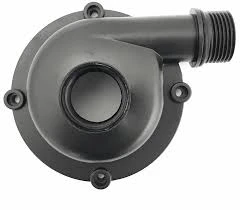
Sand casting is favored in many industrial applications due to its numerous advantages
- Versatility It can be used to cast a wide range of metals, including aluminum, steel, bronze, and magnesium. The process is effective for both ferrous and non-ferrous metals.
- Cost-Effective The materials used in sand casting are inexpensive, and the process is relatively low in cost compared to other casting methods like investment casting or die casting.
- Complex Shapes Sand casting is ideal for producing components with intricate shapes and features, allowing for the creation of complex geometries that might be difficult to achieve with alternative methods.
- Low Volume Production This method is particularly beneficial for low to medium production runs, making it suitable for prototypes and small batches of custom components.
Limitations of Sand Casting
Despite its advantages, sand casting is not without its limitations
- Surface Finish The surface finish of sand cast components may not be as smooth as those produced by other casting methods, such as investment casting.
- Dimensional Accuracy Sand casting often has more significant tolerances than other processes, which may require additional machining to meet precise dimensions.
- Labor-Intensive The process can be more labor-intensive than other modern manufacturing techniques, particularly in the pattern-making and mold preparation phases.
Conclusion
In summary, sand casting is a historic and versatile metal casting process that remains a fundamental technique in the foundry industry. Its ability to create complex shapes, cost-effectiveness, and adaptability to various metals make it a valuable option for manufacturers worldwide. While there are some drawbacks to the process, its benefits continue to keep it relevant in today’s production landscape.
-
Choosing an Engine Storage Crate Cover for Material and EnvironmentNewsNov.23,2026
-
Cylinder Head Chamber Buyers: Check the Casting Specification FirstNewsNov.17,2026
-
How Impeller Casting Manufacturers Match Material, Process and EquipmentNewsNov.15,2026
-
Valve body vs. intake air chamber: Which casting fits your assembly?NewsNov.02,2026
-
Air Intake Chamber FAQ: Specifications, Ordering and Support QuestionsNewsOct.28,2026
-
Motorcycle Accessories FAQ: Specifications, Ordering and Support QuestionsNewsOct.24,2026










