English

Mobile:+86-311-8081-2683
Email:info@ydcastings.com
English
Feb . 14, 2025 12:21
Back to list
overhead mixer impeller
Overhead mixer impellers, an essential component in various industrial and laboratory mixing applications, play a pivotal role in ensuring efficient and consistent blending of materials. Selecting the right impeller for your mixing needs can greatly impact the performance of your operations. With a plethora of options available, it's crucial to understand the specific functionalities, advantages, and considerations associated with these tools to maximize their efficiency.
Maintenance and longevity of the equipment are paramount for continuous operation. Regular inspection and cleaning can prevent buildup and wear, extending the lifespan of the impeller. Many manufacturers provide guidelines on maintenance protocols, and choosing a reputable brand with a proven track record enhances trust in the product's durability and performance. In terms of operational trustworthiness, automation features incorporated into modern overhead mixers allow for precise control over speed, power, and mixing duration. This automation not only enhances consistency but also reduces human error and ensures compliance with stringent industry standards. Brands that invest in research and development to incorporate such technological advancements into their products demonstrate their expertise and commitment to innovation. As environmental sustainability becomes increasingly important across industries, the energy efficiency of overhead mixer impellers cannot be overlooked. High-efficiency impellers reduce energy consumption by optimizing fluid dynamics, leading to lower operational costs and a smaller carbon footprint. Supporting sustainability efforts through the choice of eco-friendly and efficient equipment attracts environmentally conscious consumers and partners. Moreover, expert industry recommendations and peer reviews serve as authoritative endorsements for specific impeller models and brands. Engaging with case studies and testimonials from industry leaders provides insights into real-world applications and successes, reinforcing the credibility of the product and aiding informed decision-making. In summary, overhead mixer impellers are a crucial element of efficient mixing processes across various industries. Their adaptability to different viscosities, the customization potential, material resilience, and operational efficiency underscore their value. By understanding the nuances and functionalities of different impeller designs, industries can optimize their processes, ensuring a high degree of reliability while reducing costs and enhancing sustainability. Investing in quality impellers means investing in the long-term success and credibility of your operations.
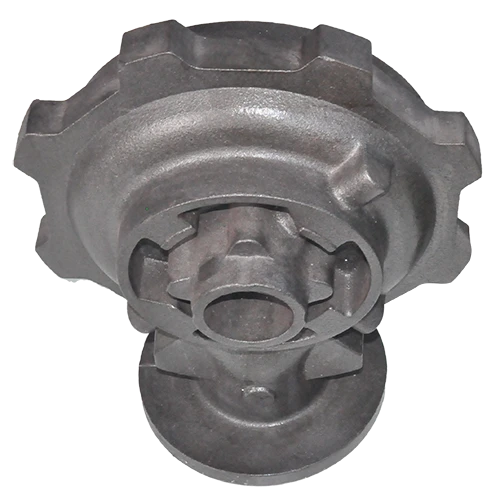
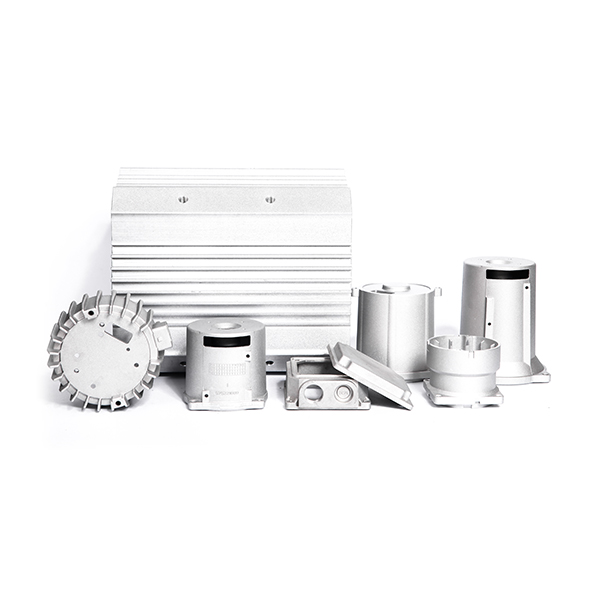
Maintenance and longevity of the equipment are paramount for continuous operation. Regular inspection and cleaning can prevent buildup and wear, extending the lifespan of the impeller. Many manufacturers provide guidelines on maintenance protocols, and choosing a reputable brand with a proven track record enhances trust in the product's durability and performance. In terms of operational trustworthiness, automation features incorporated into modern overhead mixers allow for precise control over speed, power, and mixing duration. This automation not only enhances consistency but also reduces human error and ensures compliance with stringent industry standards. Brands that invest in research and development to incorporate such technological advancements into their products demonstrate their expertise and commitment to innovation. As environmental sustainability becomes increasingly important across industries, the energy efficiency of overhead mixer impellers cannot be overlooked. High-efficiency impellers reduce energy consumption by optimizing fluid dynamics, leading to lower operational costs and a smaller carbon footprint. Supporting sustainability efforts through the choice of eco-friendly and efficient equipment attracts environmentally conscious consumers and partners. Moreover, expert industry recommendations and peer reviews serve as authoritative endorsements for specific impeller models and brands. Engaging with case studies and testimonials from industry leaders provides insights into real-world applications and successes, reinforcing the credibility of the product and aiding informed decision-making. In summary, overhead mixer impellers are a crucial element of efficient mixing processes across various industries. Their adaptability to different viscosities, the customization potential, material resilience, and operational efficiency underscore their value. By understanding the nuances and functionalities of different impeller designs, industries can optimize their processes, ensuring a high degree of reliability while reducing costs and enhancing sustainability. Investing in quality impellers means investing in the long-term success and credibility of your operations.
Next:
Latest news
-
Choosing an Engine Storage Crate Cover for Material and EnvironmentNewsNov.23,2026
-
Cylinder Head Chamber Buyers: Check the Casting Specification FirstNewsNov.17,2026
-
How Impeller Casting Manufacturers Match Material, Process and EquipmentNewsNov.15,2026
-
Valve body vs. intake air chamber: Which casting fits your assembly?NewsNov.02,2026
-
Air Intake Chamber FAQ: Specifications, Ordering and Support QuestionsNewsOct.28,2026
-
Motorcycle Accessories FAQ: Specifications, Ordering and Support QuestionsNewsOct.24,2026
Related PRODUCTS










