English

Mobile:+86-311-8081-2683
Email:info@ydcastings.com
English
Feb . 14, 2025 12:04
Back to list
sump pump casing
Sump pump casings, while seemingly a niche topic, are the heart of any efficient basement drainage system. A seasoned professional in flood prevention, I can assert that understanding the material and design of these casings can mean the difference between a dry, secure home and a soggy, damaged basement.
From a professional standpoint, always check for a casing with a tight seal with the cover. In multi-pump systems, where redundancy or capacity is necessary, compatibility with cover systems and float settings is important. An expert tip is to ensure all components, not just the casing, are from reputable manufacturers. This guarantees a unified system, minimizes failure rates, and ensures warranty coverages are intact. Lastly, there’s trust in the product itself, which is best garnered through reviews and expert assessments. Speaking from years of fieldwork, a reliable casing is one that earns consistent positive feedback across various climate conditions. Engaging with a community of sump pump users, or consulting detailed studies, can provide invaluable insights. It’s surprising how a seemingly ordinary component, easily overlooked, plays such a pivotal role in home safety and durability. In conclusion, sump pump casings are a crucial investment in home maintenance. Their material, design, and fit determine not only the efficacy of your sump pump system but also the safety and integrity of your home. With the right choice backed by expertise and reliable support, homeowners can enjoy peace of mind, knowing their drainage system is optimally set up to face the challenges of water management.
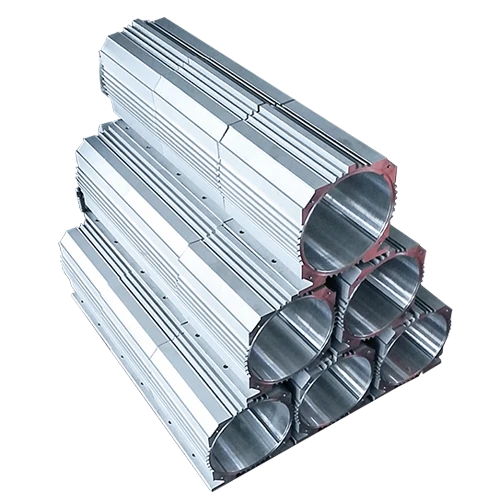
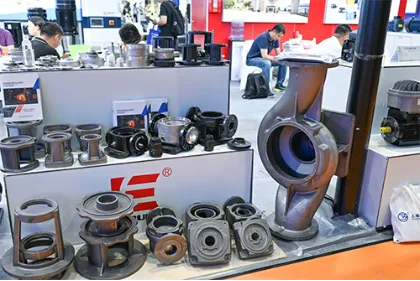
From a professional standpoint, always check for a casing with a tight seal with the cover. In multi-pump systems, where redundancy or capacity is necessary, compatibility with cover systems and float settings is important. An expert tip is to ensure all components, not just the casing, are from reputable manufacturers. This guarantees a unified system, minimizes failure rates, and ensures warranty coverages are intact. Lastly, there’s trust in the product itself, which is best garnered through reviews and expert assessments. Speaking from years of fieldwork, a reliable casing is one that earns consistent positive feedback across various climate conditions. Engaging with a community of sump pump users, or consulting detailed studies, can provide invaluable insights. It’s surprising how a seemingly ordinary component, easily overlooked, plays such a pivotal role in home safety and durability. In conclusion, sump pump casings are a crucial investment in home maintenance. Their material, design, and fit determine not only the efficacy of your sump pump system but also the safety and integrity of your home. With the right choice backed by expertise and reliable support, homeowners can enjoy peace of mind, knowing their drainage system is optimally set up to face the challenges of water management.
Next:
Latest news
-
Choosing an Engine Storage Crate Cover for Material and EnvironmentNewsNov.23,2026
-
Cylinder Head Chamber Buyers: Check the Casting Specification FirstNewsNov.17,2026
-
How Impeller Casting Manufacturers Match Material, Process and EquipmentNewsNov.15,2026
-
Valve body vs. intake air chamber: Which casting fits your assembly?NewsNov.02,2026
-
Air Intake Chamber FAQ: Specifications, Ordering and Support QuestionsNewsOct.28,2026
-
Motorcycle Accessories FAQ: Specifications, Ordering and Support QuestionsNewsOct.24,2026
Related PRODUCTS










