English

Mobile:+86-311-808-126-83
Email:info@ydcastings.com
English
Mixing Impeller – Efficient Industrial Mixing Solutions | YDCastings
Mixing Impeller: The Unsung Hero in Industrial Processes
In industries ranging from pharmaceuticals to wastewater treatment, mixing impellers play a pivotal role ensuring materials blend evenly and efficiently. They might not make headlines, but understanding these devices is crucial for manufacturers and engineers who want consistent product quality and process reliability.
Globally, the manufacturing sector accounts for nearly 16% of GDP according to the World Bank, and improving mixing technologies can significantly reduce waste, energy use, and time – all good for business and the planet.
Why Does the Mixing Impeller Matter Globally?
Think about it: wherever fluids, slurries, or powders are processed on an industrial scale, mixing impellers ensure these materials are blended just right. Whether refining crude oil in Saudi Arabia or creating specialty chemicals in Germany, these devices solve a universal challenge: how to get consistent, homogeneous mixtures quickly and reliably.
According to ISO standards on industrial mixing (ISO 14630), optimizing impeller design can reduce processing time by up to 30%. Given that industries consume approximately 33% of global energy, innovations here can knock down carbon footprints substantially.
What Is a Mixing Impeller?
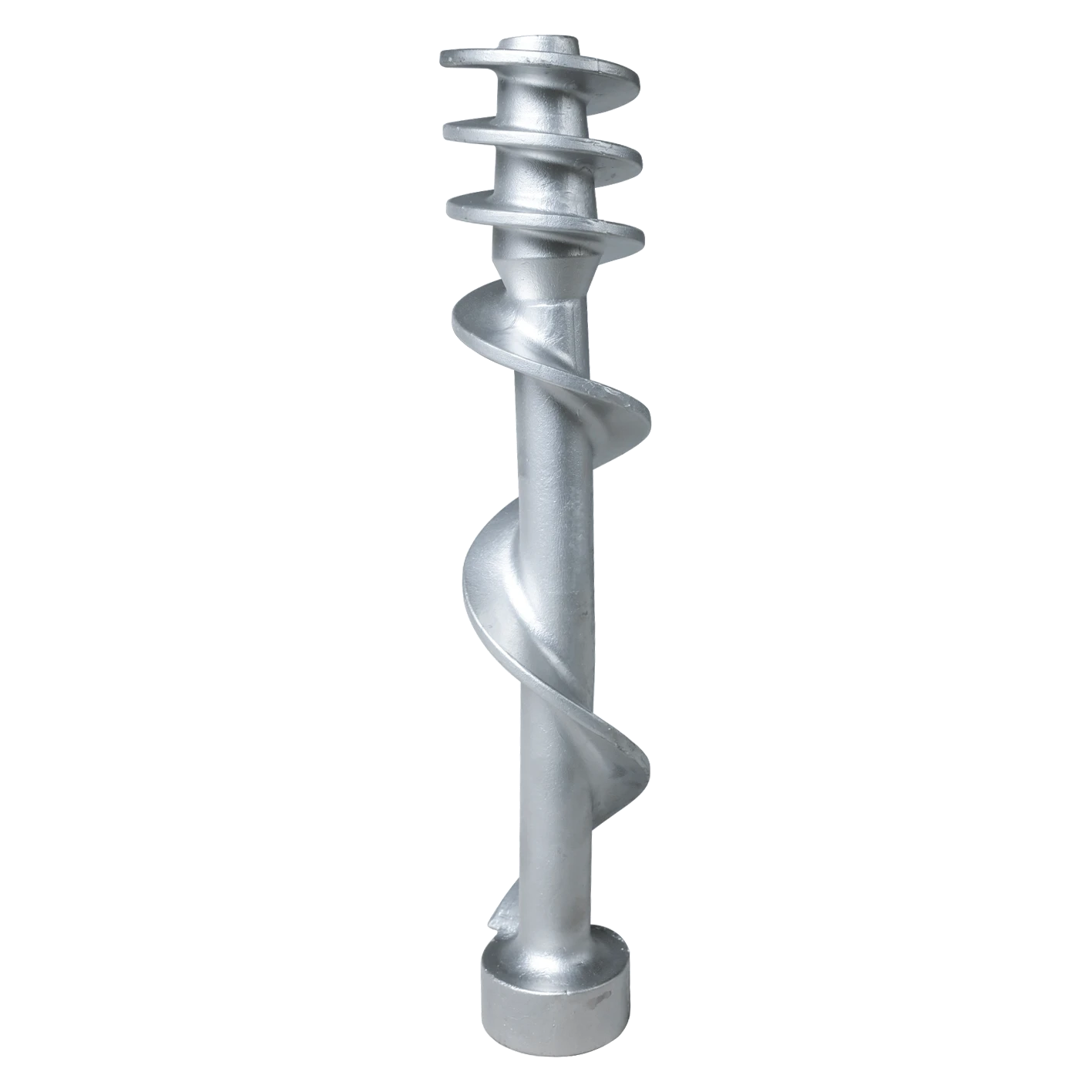
Simply put, a mixing impeller is a rotating blade or set of blades mounted on a shaft designed to stir or blend fluids or solids within a tank or vessel. It creates controlled flow patterns, turbulence, or shear that achieve uniform mixtures or promote chemical reactions.
It’s the heart of many industrial mixers and comes in various shapes—like propellers, turbines, paddles—each suited for specific tasks. In humanitarian efforts, for example, mixing impellers help produce clean water by facilitating coagulation and sedimentation processes.
Core Components & Factors Influencing Performance
1. Material Durability
Mixing impellers often work in harsh chemical or high-temperature environments. Manufacturers use stainless steel, titanium alloys, or even coated composites to resist corrosion and wear—some have lifespans of several decades. Durable materials reduce downtime and maintenance costs, which is vital for continuous processing industries.
2. Scalability
From laboratory mixers just a few liters in volume to multi-thousand-gallon industrial tanks, impellers need to scale efficiently. Scaling impeller size impacts power consumption and mixing time. Engineers often use dimensionless numbers (like Reynolds number) to ensure the process scales predictably.
3. Energy Efficiency
As utilities costs and carbon regulations grow, energy-efficient mixing is no longer optional. Impeller designs that optimize fluid flow minimize power input without compromising mixing quality. Low-shear designs protect sensitive biological materials, particularly in biotech applications.
4. Cost Efficiency
Raw material costs, manufacturing complexity, and installation expenses influence the total cost of a mixing system. Interestingly, the simplicity of impeller geometries often translates to lower upfront costs but might trade off on energy efficiency.
5. Versatility & Customization
Industries today demand custom impeller solutions, tailored to viscosity, corrosiveness, and mixing goals. Some novel designs combine multiple impeller types on one shaft for complex flow patterns—a neat trick for industries like paint manufacturing or food processing.
Mini Takeaway:
Understanding these factors shifts mixing impellers from mere “blades” to highly engineered tools with substantial impact on cost, efficiency, and product quality.
Global Applications and Real-World Use Cases
From South America’s massive pulp-and-paper mills to wastewater treatment plants in Southeast Asia, mixing impellers find themselves center-stage. Here’s a quick global snapshot:
- Chemical Industry: In Europe, mixing impellers optimize polymerization reactions that require precise temperature and flow control.
- Pharmaceutical Manufacturing: US-based biotech firms rely on gentle impellers to mix cells without damaging them.
- Water Treatment: NGOs operating in disaster zones in Africa use portable mixers to purify drinking water rapidly—critical when safe water extends life and dignity.
- Food & Beverage: In Australia’s dairy sector, impellers help create consistent cheese blends and yogurts.
Oddly enough, even NASA experiments with microgravity mixing impellers, aiming to improve fuel and food production in space habitats.
Mini Takeaway:
The versatility of mixing impellers truly shines in their wide-ranging applications — literally everywhere quality mixing counts.
Product Specification Table: Typical Mixing Impeller Models
| Model | Diameter (mm) | Material | Max RPM | Application |
|---|---|---|---|---|
| TurboPro 150 | 150 | 316 Stainless Steel | 1200 | Chemical reactors |
| EcoBlend 300 | 300 | Titanium Alloy | 900 | Biotech fermenters |
| Streamline 450 | 450 | Carbon Steel Coated | 700 | Water treatment |
| FlexiFlow 600 | 600 | Composite Polymer | 600 | Food processing |
Advantages & Long-Term Value of Mixing Impellers
When you invest in a quality mixing impeller, you’re really investing in reliability and precision which, oddly enough, boils down to trust. Industries depend on the consistency of their products and the safety they guarantee to consumers. Remember, a failed mix in pharma or wastewater can have severe consequences.
Long-term advantages include:
- Reduced Energy Consumption: Efficient impeller design cuts power use up to 25% according to some case studies.
- Lower Maintenance Costs: Durable materials and smart design lead to less downtime and replacement, sparing headaches and expenses.
- Sustainability Benefits: Optimized mixing reduces raw material waste and enables greener manufacturing as highlighted by ISO 14000 guidelines.
- Improved Safety and Quality: Consistent mixing ensures the final product meets stringent safety norms across industries.
Future Trends & Innovations in Mixing Impeller Design
The future looks exciting. One trend is the integration of digital IoT sensors embedded in mixing impellers. This creates real-time feedback loops to optimize rpm and mixing profiles automatically — no more guesswork.
Another development involves eco-friendly composite blades made from recycled materials, marrying sustainability with top performance.
Automation coupled with AI model predictions means plants can switch between recipes or batch volumes seamlessly, enhancing flexibility and reducing human error.
Challenges & Expert Solutions
Of course, no system is perfect. Challenges include cavitation, impeller wear in abrasive fluids, and mixing tough high-viscosity materials.
Experts suggest combining computational fluid dynamics (CFD) simulations with advanced materials research to tailor impeller shapes and coatings, balancing shear forces with durability. Maintenance plans emphasizing predictive checks rather than reactive fixes are gaining ground.
Vendor Comparison Table: Popular Mixing Impeller Manufacturers
| Vendor | Specialty | Material Options | Custom Solutions | Price Range |
|---|---|---|---|---|
| YDCastings | Wide range from standard to high-performance | Stainless Steel, Titanium, Composites | Yes, full customization | $$ |
| MixMaster Inc. | Specializes in biotech applications | Titanium, High-grade polymer | Medium customization | $$$ |
| FlowTech Solutions | Heavy-duty industrial mixers | Carbon Steel, Stainless Steel | Limited customization | $ |
Frequently Asked Questions About Mixing Impeller
Q1: How do I choose the right mixing impeller for viscous fluids?
A1: For viscous fluids, pitched-blade turbine impellers or helical ribbon impellers are often used because they generate axial flow and handle thick fluids without causing excessive shear. It's important to consider tank geometry and power input to optimize mixing efficiency.
Q2: Can mixing impellers be used in sanitary or pharmaceutical environments?
A2: Absolutely. Many impellers designed for pharmaceutical applications use polished stainless steel with hygienic designs to meet FDA and GMP standards. These impellers often feature easy-clean geometries and seals to prevent contamination.
Q3: What are the consequences of improper impeller sizing?
A3: Incorrect sizing can result in incomplete mixing, increased energy consumption, and potential damage to materials or equipment. Undersized impellers may not provide enough flow, while oversized ones can cause turbulence that harms sensitive products.
Q4: How long do mixing impellers typically last?
A4: With proper maintenance, mixing impellers can last anywhere from 5 to 20 years depending on materials, operating conditions, and usage frequency. Corrosive or abrasive environments might shorten lifespan without proper coatings or materials.
Conclusion
Mixing impellers are quietly indispensable in a world increasingly focused on efficiency, sustainability, and product quality. Their influence spans global industries, humanitarian projects, and future space exploration. As technology and materials evolve, so too does the role of the mixing impeller — from simple blade to smart, eco-friendly powerhouse.
Curious to learn more or ready to source your next high-performance mixing impeller? Visit our website: mixing impeller.
References
-
Precision Valve Castings for Agricultural Irrigation and Fluid Control SystemsNewsMay.08,2026
-
Precision Impeller and Compressor Components for Agricultural MachineryNewsMay.08,2026
-
Essential Cast Components for Agricultural Machinery: Oil Management and Motor ProtectionNewsMay.08,2026
-
High-Performance Cast Components for Agricultural Machinery: From Cooling to Exhaust SystemsNewsMay.08,2026
-
Agricultural Valve Castings: Durable Flow Control Solutions for Farm Irrigation SystemsNewsMay.08,2026
-
High-Performance Agricultural Pump Components: Precision Castings for Reliable Farm OperationsNewsMay.08,2026