English

Mobile:+86-311-808-126-83
Email:info@ydcastings.com
English
Reliable Water Pump Pipe Connector Solutions for Global Water Management
Water Pump Pipe Connector: Why It’s More Important Than You Might Think
Let’s start at the basics. A water pump pipe connector, simply put, is a specialized part that links water pumps to pipelines. You might think it’s just a mundane component, but in reality, its role is critical worldwide—from municipal water supply systems to remote agricultural irrigation projects, and even emergency humanitarian operations. Understanding these connectors means better system reliability, less downtime, and—frankly—a lot less wasted water and energy. In an era where clean water access remains an ongoing global challenge, getting these small pieces right really matters.
Setting the Global Stage: Why Water Pump Pipe Connectors Matter
Water scarcity affects over 2 billion people globally, according to UN Water. Properly functioning water infrastructure is one way to ease that burden. Here’s the thing: a water pump pipe connector, although seemingly a tiny cog, is a linchpin in that infrastructure. The World Bank estimates that about 40% of water infrastructure failures relate to poor connections and fittings, causing leaks or system breakdowns. Considering the huge investments governments and industries make, ensuring robust connectors reduces repair costs and water losses significantly.
Yet, many places still rely on outdated or ill-suited connectors that don’t hold up to pressure, corrosion, or temperature changes. That’s a headache both financially and environmentally. Modern connectors designed with better materials and standards help tackle this challenge head-on.
What Exactly Is a Water Pump Pipe Connector?
Put simply, a water pump pipe connector is the device that joins the output or inlet of a water pump to the rest of the piping system. Think of it as the «bridge» that ensures water flows smoothly from the pump to pipes leading to homes, farms, or industrial processes.
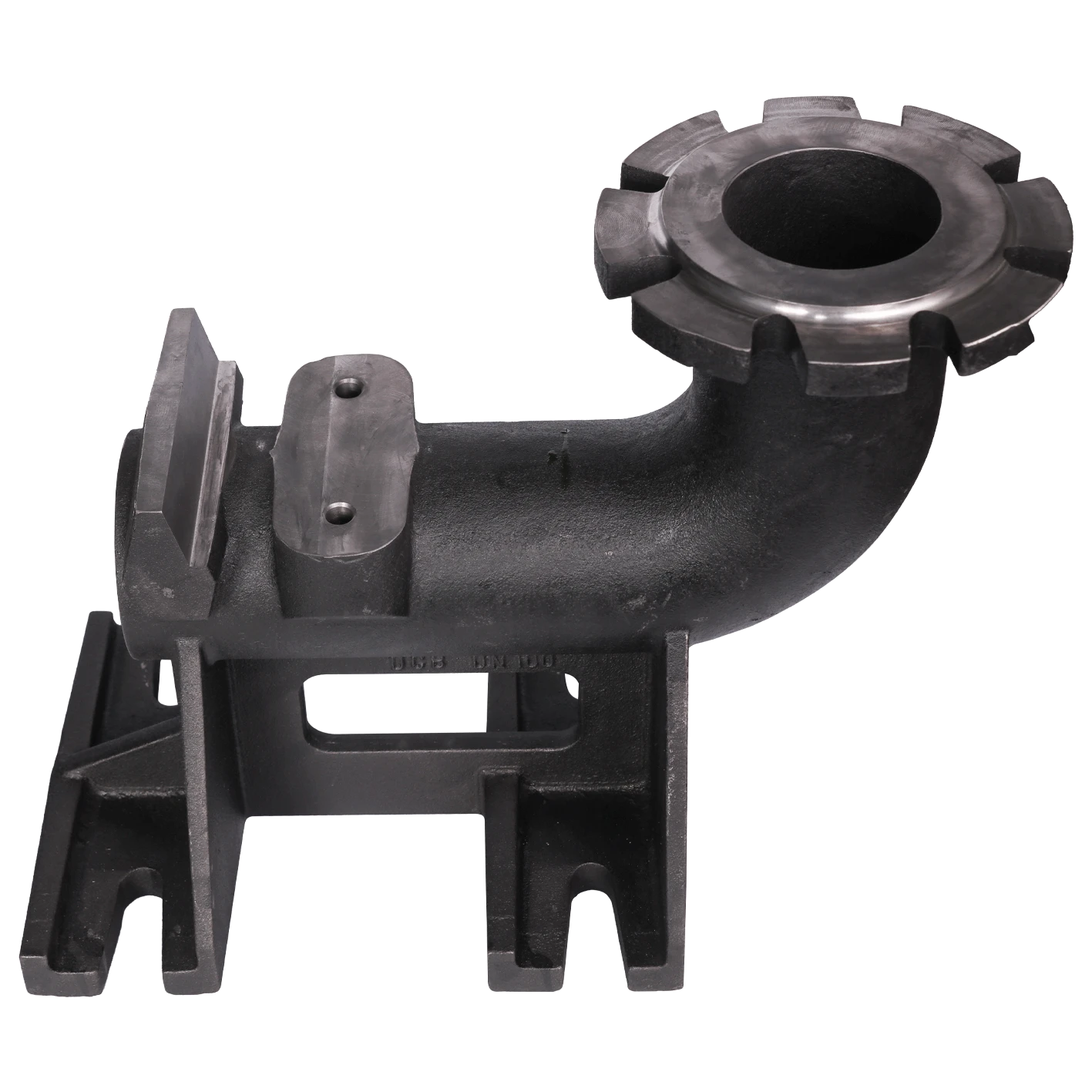
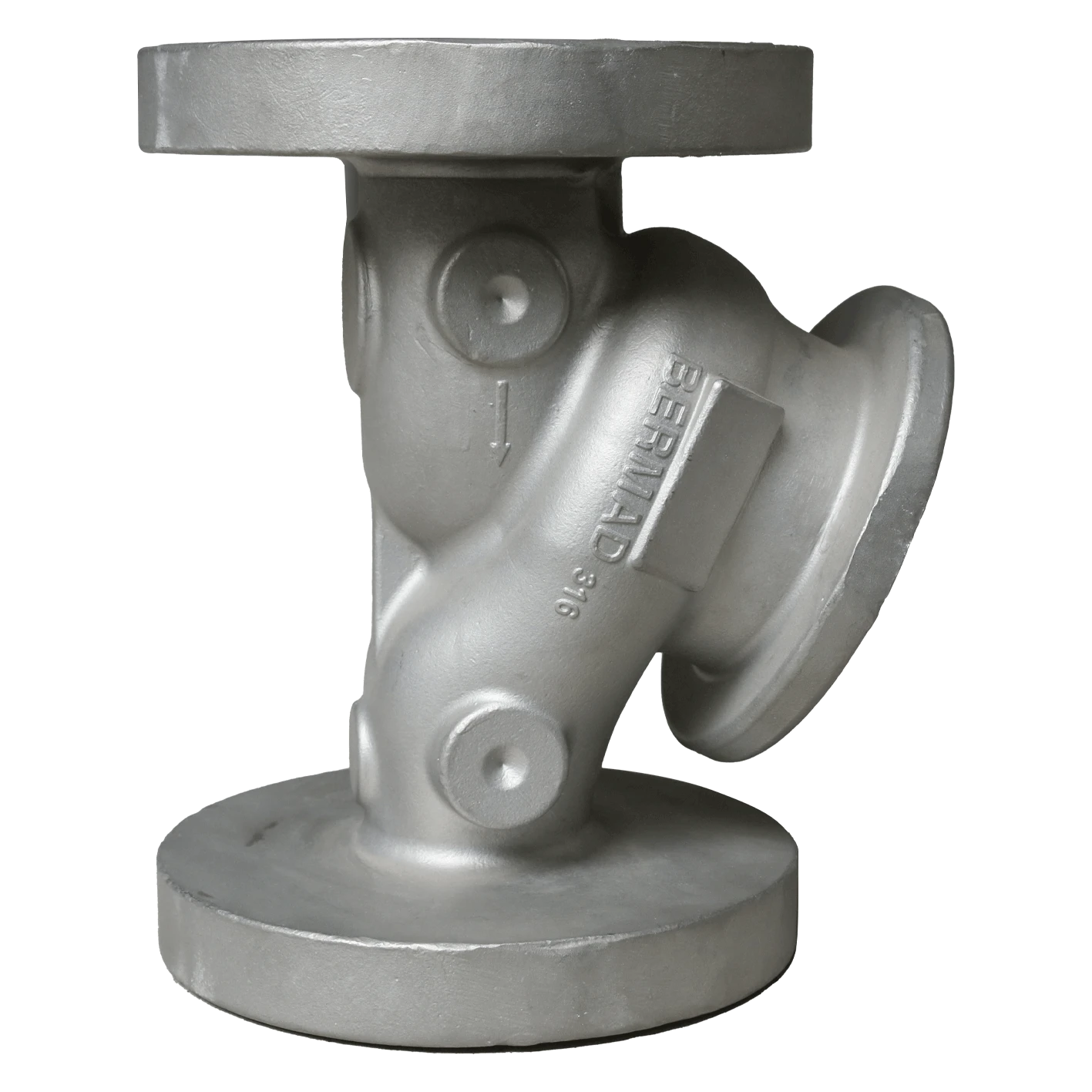
Commonly made from metals like cast iron or stainless steel — or plastics such as PVC — these connectors come in various designs adapted to pressure levels and environments. More than just a plumbing part, it’s part of the backbone of modern water and wastewater management, irrigation, and industrial fluid handling.
water pump pipe connector technology has evolved from simple threaded joints to high-tech solutions incorporating sealing gaskets, corrosion resistance, and easy assembly to save time and costs.Quick Takeaway:
- Water pump pipe connectors make water flow systems work efficiently.
- They’re vital to global water management and infrastructure reliability.
Core Components of a Good Water Pump Pipe Connector
1. Durability
Materials have to withstand not just water pressure, but also corrosion, especially in saltwater or chemically treated environments. Stainless steel and high-quality alloys are preferred for longevity. Plastic connectors offer corrosion resistance too, but can struggle under high temperatures or pressures.
2. Leak Resistance
The most obvious function: keep water where it belongs. Good connectors have reliable sealing mechanisms—like gaskets made of rubber or silicone—that prevent leaks, reducing waste and damage.
3. Scalability & Compatibility
Systems grow, or pipes need replacing. Connectors that can easily adapt to different diameters, pipe types, or pump models save time and spare headaches. Many designs now incorporate modular fittings or quick-connect features.
4. Ease of Installation & Maintenance
Field service work benefits immensely from connectors that don’t require specialized tools or lengthy labor. Screw threads, butt welding, or clamp-style connectors each have pros and cons depending on context.
5. Cost Efficiency
Balancing price with quality is always challenging. Investing slightly more upfront on durable connectors usually pays off by preventing failures and maintenance costs later.
6. Environmental Impact
Increasingly, manufacturers produce connectors with recyclable materials or designs that minimize waste during production and use. It might not be the first thing you think of, but sustainability steps like this add up.
Mini Summary:
- A good connector excels in durability, leak resistance, and adaptability.
- Installation and maintenance ease combined with cost-effectiveness lead to long-term savings.
Global Applications & Real-World Examples
The beauty of water pump pipe connectors is their ubiquity. Here’s how that plays out in different places:
- Agricultural Irrigation: In India’s Punjab region, for instance, a reliable connector ensures farmers’ water pumps sustain seasonal monsoon irrigation without constant breakdowns.
- Urban Water Supply: Modern cities in Europe and North America rely on high-grade connectors to keep municipal water plants running smoothly, preventing leaks that can cost millions annually.
- Disaster Relief: In the wake of typhoons in Southeast Asia, NGOs use quickly deployable pump pipe connectors to establish clean water systems in refugee camps.
- Industrial Use: Chemical factories or mining operations in places like Australia depend on connectors that resist harsh, corrosive fluids and high temperatures.
Example:
In a recent project with a West African NGO, switching to modular water pump pipe connectors reduced setup time by 40%, allowing faster clean water delivery in flood-affected zones.
Advantages & Long-Term Benefits of Quality Connectors
Here’s where it gets really meaningful. Using premium water pump pipe connectors doesn’t just save money. It fosters:
- Water Conservation: Leakage prevention preserves scarce water resources, a win for ecology and society.
- Operational Stability: Fewer breakdowns mean systems work when people need them most—health clinics, farms, factories.
- Safety and Trust: Clean water access links closely to public health and dignity, building community trust.
- Innovative Confidence: Knowing your system’s components hold up encourages adoption of more advanced water technologies.
What’s on the Horizon for Water Pump Pipe Connectors?
The future looks quite promising. Innovation is buzzing around with:
- Smart Connectors: Embedded sensors to monitor pressure, flow, or leak detection in real time, enabling predictive maintenance.
- Green Materials: Biodegradable or recycled components reducing environmental footprints.
- 3D-Printed Custom Fittings: Tailored connectors produced locally, speeding repair times in remote areas.
- Automation-Friendly Designs: Connectors optimized for robotic installation in large-scale industrial plants.
Common Challenges and How Experts Solve Them
Despite advances, several issues persist:
- Corrosion and Wear: Harsh water chemistry demands ongoing material research and protective coatings.
- Standardization: Inconsistent sizes and threads worldwide complicate interchangeability. International standards such as ISO have helped but not fully solved this.
- Installation Errors: User training and tool improvements mitigate poor fit or leaks.
Some engineers experiment with hybrid connectors combining metals and polymers for flexibility and toughness. Others push for universal adapter kits.
Water Pump Pipe Connector Specifications at a Glance
| Specification | Value/Example |
|---|---|
| Material | Stainless Steel AISI 316 or PVC |
| Pressure Rating | Up to 16 bar (≈232 psi) |
| Pipe Diameter Range | 25 mm to 150 mm |
| Sealing Type | EPDM rubber gasket |
| Connection Type | Threaded / Flanged / Clamp |
| Temperature Range | -10°C to 80°C |
Vendor Comparison: Choosing the Right Partner
| Feature | Vendor A | Vendor B | Vendor C |
|---|---|---|---|
| Material Options | Stainless Steel, PVC | Cast Iron, HDPE | Stainless Steel, Composite |
| Lead Time | 2 weeks | 4 weeks | 3 weeks |
| Customization | Available | Limited | Available |
| Certification | ISO 9001, NSF | ISO 9001 | ISO 14001, ISO 9001 |
| Price Range | $$$ | $$ | $$$ |
FAQ: Frequently Asked Questions About Water Pump Pipe Connectors
- What materials are best for water pump pipe connectors in harsh environments?
- Stainless steel, especially AISI 316, is often preferred for its corrosion resistance in harsh or saltwater settings. High-grade plastics like PVC or HDPE can work well for non-pressurized systems but may degrade under high temperature or pressure.
- How can I ensure leak-free connections?
- Proper installation using suitable sealing gaskets such as EPDM rubber is key. Also, ensure connectors are compatible with your pipe size and type, and follow manufacturer torque specifications to avoid under- or over-tightening.
- Can water pump pipe connectors be customized for unique applications?
- Yes, many vendors offer customization to fit specific pipe dimensions, pressures, or materials. Custom connectors benefit specialized industries like mining or chemical plants, where standard parts may not suffice.
- How do I select the right connector for a rapidly deployable water pump system?
- Look for connectors that prioritize quick assembly, such as clamp-style or push-fit models, which reduce installation time and require minimal tools, ideal for disaster relief or temporary setups.
- Is there a global standard for water pump pipe connectors?
- While ISO and ASTM provide standards for materials and dimensions, connector types and sizes still vary regionally. Always confirm compatibility with your system and local codes.
Final Thoughts
It’s funny how these little connectors can hold so much responsibility—to keep water flowing safely, efficiently, and sustainably. Getting the right water pump pipe connector could very well be the silent hero behind a thriving city’s water supply, a remote farm’s livelihood, or a crisis zone’s fresh water access. Investing time to understand, select, and maintain these components pays off manifold, blending engineering precision with humanitarian impact.
Visit our website https://www.ydcastings.com to explore how modern, reliable connectors can empower your water systems today.
References
-
Precision Valve Castings for Agricultural Irrigation and Fluid Control SystemsNewsMay.08,2026
-
Precision Impeller and Compressor Components for Agricultural MachineryNewsMay.08,2026
-
Essential Cast Components for Agricultural Machinery: Oil Management and Motor ProtectionNewsMay.08,2026
-
High-Performance Cast Components for Agricultural Machinery: From Cooling to Exhaust SystemsNewsMay.08,2026
-
Agricultural Valve Castings: Durable Flow Control Solutions for Farm Irrigation SystemsNewsMay.08,2026
-
High-Performance Agricultural Pump Components: Precision Castings for Reliable Farm OperationsNewsMay.08,2026