English

Mobile:+86-311-8081-2683
Email:info@ydcastings.com
English
Understanding Metal Casting Processes in Foundries for Efficient Production and Quality Improvement
Understanding Metal Casting Foundries Techniques, Benefits, and Applications
Metal casting is a pioneering manufacturing process that transforms molten metal into specific shapes through molds. This technique has been utilized for thousands of years, playing a crucial role in the development of engineered components across various industries. At the heart of this process is the metal casting foundry, a facility dedicated to the art and science of casting metals.
A foundry is essentially a factory where metal castings are produced. The process begins with the design of the part to be created. Engineers and designers work together to create 3D models that not only meet functional requirements but also account for the limitations and characteristics of the casting process. These digital designs are often transformed into physical patterns that represent the final product.
There are several metal casting techniques employed in foundries, each with unique advantages. One common method is sand casting, which involves creating a mold from sand and other materials. The sand mixture is packed around a pattern, which is then removed to create a cavity for the molten metal. Sand casting is known for its versatility and the ability to create large components cost-effectively.
Understanding Metal Casting Foundries Techniques, Benefits, and Applications
Die casting is another method frequently used in metal foundries, especially for high-volume production. This process involves forcing molten metal into molds under high pressure, allowing for faster and more efficient production of parts with tight tolerances. Die-cast components are often used in automotive and appliance applications due to their detailed finish and structural integrity.
metal casting foundry
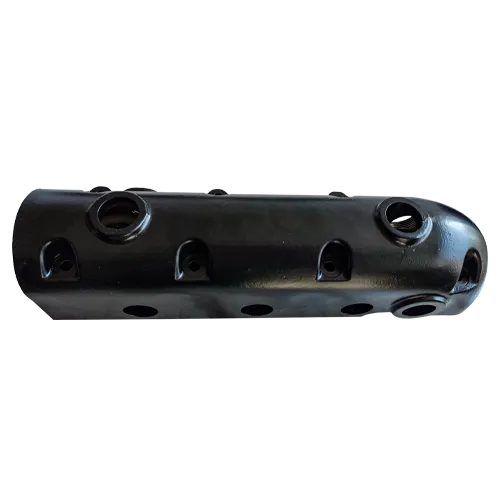
Overall, metal casting foundries offer numerous benefits. One of the primary advantages is the ability to produce complex shapes that would be difficult or impossible to achieve with other manufacturing processes. This adaptability means that foundries can cater to a wide range of applications, from intricate jewelry to massive machinery components.
Moreover, metal casting is often more cost-effective for low-to-medium production runs compared to some machining processes, particularly when the design permits the creation of molds that can be reused across multiple production cycles. Additionally, many foundries have made significant strides in adopting sustainable practices, such as recycling scrap metal, which not only reduces waste but also minimizes material costs.
The applications of metal casting are vast and varied. Industries such as automotive, aerospace, construction, and electronics rely heavily on cast components. For instance, automotive manufacturers use cast iron and aluminum for engine blocks, cylinder heads, and transmission cases due to their strength and reliability. In the aerospace sector, lighter materials manufactured through casting techniques are essential for improving fuel efficiency and performance.
However, challenges persist in the metal casting industry. Foundries must navigate issues related to environmental regulations, labor shortages, and competition from alternative manufacturing processes. As technology advances, foundries are starting to incorporate automation and artificial intelligence to increase efficiency and reduce human error.
In conclusion, metal casting foundries play a vital role in modern manufacturing. Their ability to produce a wide array of components through various casting techniques makes them indispensable across multiple industries. As the demand for high-quality, cost-effective, and environmentally sustainable production methods increases, foundries are likely to evolve, embracing new technologies while continuing to refine traditional casting methods. The future of metal casting looks promising, combining age-old crafts with cutting-edge innovations to meet the challenges of tomorrow's manufacturing landscape.
-
Choosing an Engine Storage Crate Cover for Material and EnvironmentNewsNov.23,2026
-
Cylinder Head Chamber Buyers: Check the Casting Specification FirstNewsNov.17,2026
-
How Impeller Casting Manufacturers Match Material, Process and EquipmentNewsNov.15,2026
-
Valve body vs. intake air chamber: Which casting fits your assembly?NewsNov.02,2026
-
Air Intake Chamber FAQ: Specifications, Ordering and Support QuestionsNewsOct.28,2026
-
Motorcycle Accessories FAQ: Specifications, Ordering and Support QuestionsNewsOct.24,2026










