English

Mobile:+86-311-8081-2683
Email:info@ydcastings.com
English
Compact Water Pump Impeller Design for Efficient Fluid Movement and Enhanced Performance
The Small Water Pump Impeller An Essential Component for Efficient Fluid Movement
In modern engineering and plumbing systems, the small water pump impeller plays a crucial role in the movement and management of fluids. As a primary component of centrifugal pumps, impellers are designed to increase the velocity of water or other liquids, converting kinetic energy into pressure energy. This article will delve into the intricacies of small water pump impellers, their design, functionality, applications, and maintenance considerations.
Understanding the Impeller Design
The impeller is typically a rotating component that consists of blades, which are strategically shaped and positioned to impart energy to the fluid. The design of an impeller varies based on its application and operational requirements. Small water pump impellers can be classified into several types, including open impellers, closed impellers, and semi-closed impellers.
- Open Impellers These impellers have blades that are free from a shroud, allowing for easy passage of larger particles. They are generally used in applications where the fluid may contain suspended solids. - Closed Impellers Featuring blades that are enclosed between two shrouds, these impellers provide better hydraulic efficiency and are less prone to cavitation, making them suitable for clean water applications. - Semi-Closed Impellers This design balances the characteristics of both open and closed types, offering moderate efficiency and flexibility for various applications.
The choice of an impeller design directly influences the performance of the pump, including its efficiency, flow rate, and pressure capabilities.
The Functionality of Impellers in Water Pumps
The fundamental functionality of an impeller in a water pump revolves around its ability to transform mechanical energy into fluid energy. When the impeller spins, it creates a low-pressure zone at its center, allowing fluid to be drawn into the pump through the inlet. The blades then impart centrifugal force to the fluid, hurling it outward toward the discharge port.
This action results in an increase in fluid velocity and pressure, enabling the efficient transfer of water from one location to another. The performance of the water pump is largely determined by the impeller's design, dimensions, and the rotational speed of the motor.
Applications of Small Water Pump Impellers
Small water pump impellers can be found in a variety of applications across different industries. Their versatility makes them suitable for
small water pump impeller
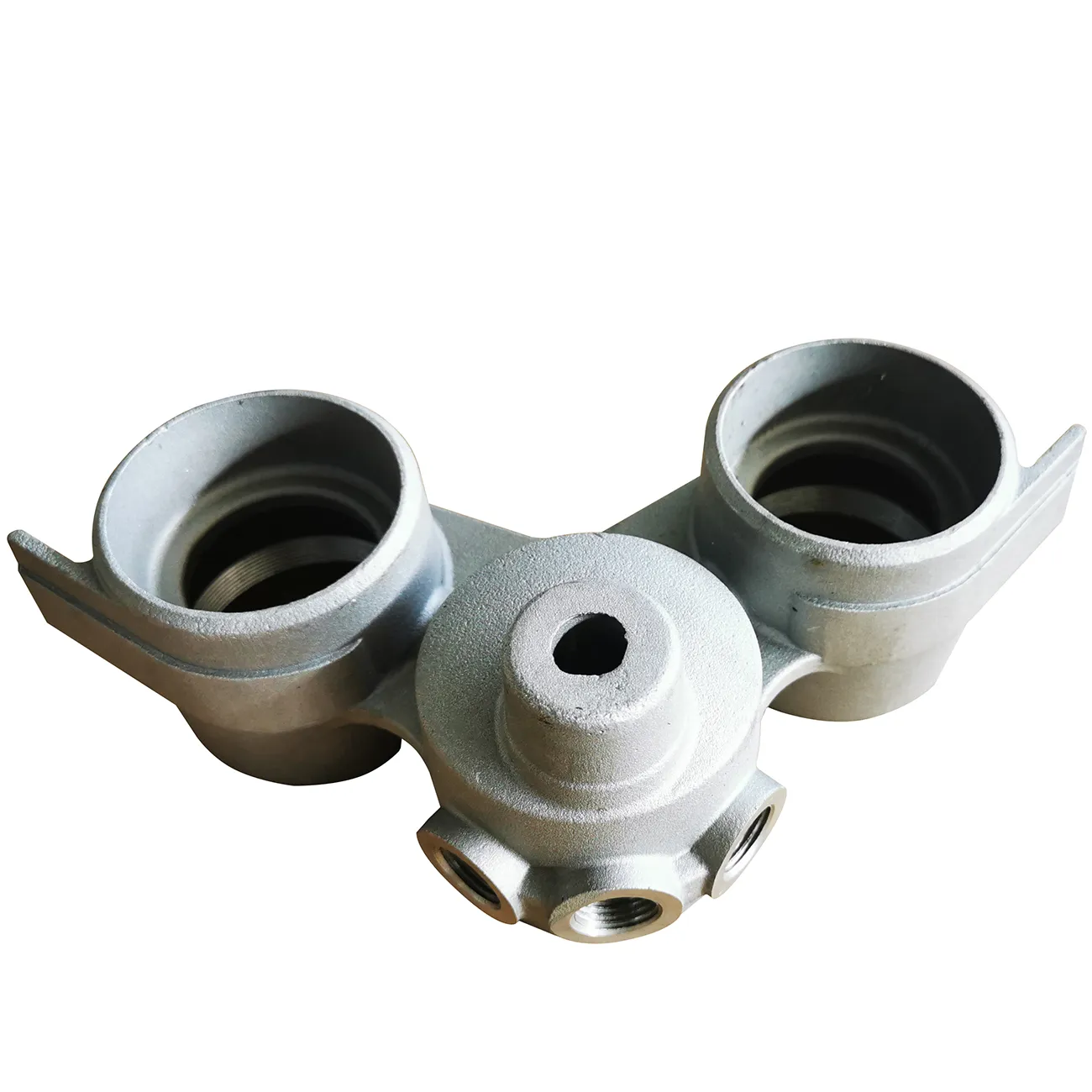
1. Domestic Use In residential settings, small water pumps equipped with impellers are used for irrigation systems, drainage, and even in aquariums to maintain water circulation.
3. Industrial Applications Small water pump impellers play a significant role in various industrial processes, such as cooling systems, chemical processing, and wastewater management.
4. HVAC Systems These impellers are also integral to heating, ventilation, and air conditioning (HVAC) systems, where they facilitate the movement of water in chillers and boilers.
Maintenance Considerations
Regular maintenance of small water pump impellers is essential to ensure optimal performance and longevity. Some key maintenance practices include
- Monitoring Performance Keep an eye on flow rates and pressure levels. A significant drop could indicate wear or damage to the impeller.
- Removing Debris Ensure that the impeller and pump housing are free from blockages caused by dirt, debris, or other foreign materials.
- Lubrication Regularly lubricate bearings and other moving parts to reduce friction and prevent wear.
- Inspection Periodically inspect the impeller for signs of corrosion or erosion, which can compromise its efficiency and functionality.
In conclusion, the small water pump impeller is a vital component that plays a significant role in various fluid management systems. Its design, functionality, and adaptability across different applications make it indispensable for effective fluid movement. By understanding the importance of impellers and adhering to maintenance best practices, users can ensure the longevity and efficiency of their water pump systems. Whether in domestic settings, agricultural use, or industrial applications, small water pump impellers continue to contribute significantly to our daily lives and the broader economy.
-
Choosing an Engine Storage Crate Cover for Material and EnvironmentNewsNov.23,2026
-
Cylinder Head Chamber Buyers: Check the Casting Specification FirstNewsNov.17,2026
-
How Impeller Casting Manufacturers Match Material, Process and EquipmentNewsNov.15,2026
-
Valve body vs. intake air chamber: Which casting fits your assembly?NewsNov.02,2026
-
Air Intake Chamber FAQ: Specifications, Ordering and Support QuestionsNewsOct.28,2026
-
Motorcycle Accessories FAQ: Specifications, Ordering and Support QuestionsNewsOct.24,2026










