Mobile:+86-311-808-126-83
Email:info@ydcastings.com

Maintenance Tips for Cast Iron Water Valve Box Cover
In agricultural machinery and irrigation systems, the cast iron water valve box cover, cast iron water valve cover, and valve box cover cast iron are essential for protecting underground water valves from soil, debris, and weather damage. These components endure harsh farm conditions—moisture, fertilizer runoff, and impacts from tractors or harvesters—making regular maintenance critical to extend their service life. For wholesalers serving agricultural co-ops, irrigation contractors, and farm equipment providers, guiding clients on proper maintenance not only reduces replacement costs but also strengthens long-term partnerships.
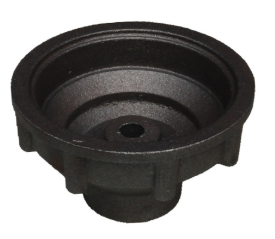
Routine Cleaning for Cast Iron Water Valve Box Cover
- Cast iron water valve box cover needs monthly surface cleaning to remove soil, crop residues, and grass. Use a stiff brush to scrub the top and edges, and clear drainage holes with a wire (clogs cause water pooling, accelerating rust). In high-debris areas (e.g., grain fields), clean every 2 weeks. Quarterly, lift the cover (wear gloves) and wipe the underside with a damp cloth to remove mud—trapped moisture leads to rust. A farm co-op using Hebei Yuanda Trade Co., Ltd.’s cast iron water valve box cover reported 30% less rust after this routine. Wholesalers should emphasize this to clients to preserve cover integrity.
- For cast iron water valve box cover exposed to fertilizer runoff, rinse with clean water after application to remove nitrogen/phosphorus residues (cause corrosion). For dried fertilizer crust, use mild detergent and a soft brush, then rinse thoroughly. Hebei Yuanda Trade Co., Ltd. recommends applying mineral oil post-cleaning to form a protective barrier. A wholesaler’s vegetable farm clients saw cover lifespan extend from 3 to 5 years with this step.
Rust Prevention for Valve Box Cover Cast Iron
- Valve box cover cast iron is prone to rust in moist farm environments. Inspect the cover’s anti-rust coating quarterly—Hebei Yuanda Trade Co., Ltd.’s covers have factory-applied epoxy; touch up chips with matching paint (available via wholesalers). In humid areas (e.g., rice paddies), add an annual anti-rust paint coat. Improve drainage around the valve box with 5–10 cm gravel to avoid standing water (main cause of edge rust). A humid-region farm kept their valve box cover cast iron rust-free for 4 years using this method.
- For cast iron water valve cover near fertilizer storage, wipe with a damp cloth weekly to remove chemical dust. Avoid harsh cleaners (e.g., bleach) that damage the anti-rust coating. Hebei Yuanda Trade Co., Ltd. suggests storing spare covers in a dry, ventilated area to prevent pre-installation rust.
Bonnet Casting Maintenance for Cast Iron Water Valve Box Cover Systems
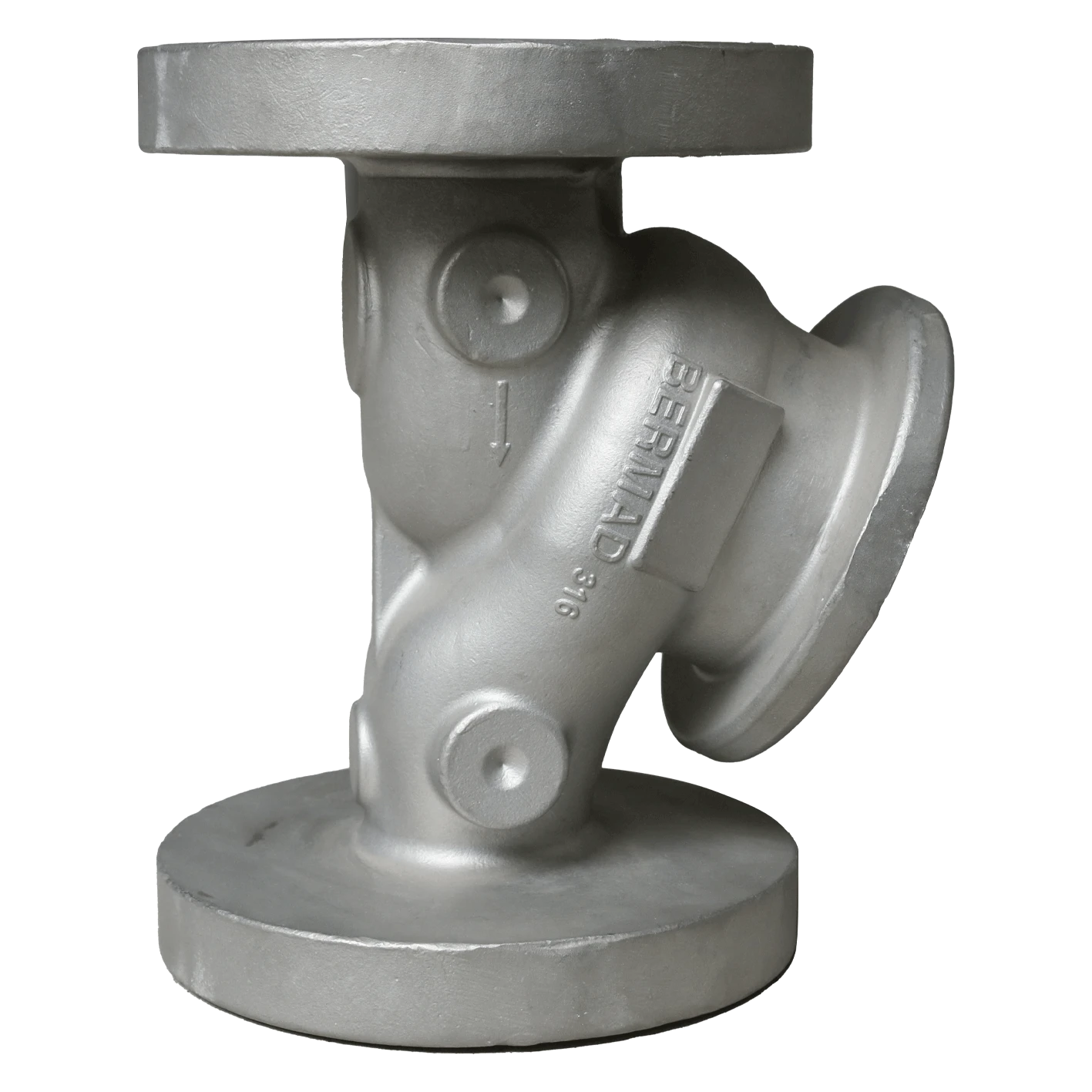
- Inspect bonnet castings quarterly when maintaining cast iron water valve box cover. Check for leaks, cracks, or corrosion: cast iron bonnets may rust in moist soil, stainless steel bonnets may pit in fertilizer-rich areas, and copper alloy bonnets need checks for oxidation. Tighten loose bonnet bolts to prevent leakage—loose bolts waste 20–30% of irrigation water.
- Clean bonnet castings with a soft cloth after inspection. For cast steel or stainless steel bonnets, use mild detergent to remove residues; for copper alloy bonnets, avoid abrasive tools (preserve conductivity). Replace bonnets every 5 years (Hebei Yuanda Trade Co., Ltd.’s recommendation) or if cracks/heavy corrosion occur. A wholesaler’s client reduced irrigation leaks by 25% by replacing old bonnets with new ones from the company.
Inspection and Replacement of Cast Iron Water Valve Cover
- Inspect cast iron water valve cover monthly for cracks, bent edges, or loose parts. Cracks (from tractor impacts) and bent edges break the seal, letting soil enter the valve box. Repair small cracks (<5 cm) with cast iron epoxy (supplied by Hebei Yuanda Trade Co., Ltd.); replace covers with large cracks or bent edges. Quarterly, check the cover’s fit—ensure no gaps between the cover and valve box.
- Replace cast iron water valve cover every 5–7 years (even without visible damage) as cast iron weakens over time. Pair replacement with a new bonnet casting (Hebei Yuanda Trade Co., Ltd. offers matched sets) to ensure system reliability. A farm using matched sets reported 40% fewer maintenance issues than those using mismatched parts.
Cast Iron Water Valve Box Cover FAQS
How often should I clean cast iron water valve box cover used in agricultural irrigation?
You should clean cast iron water valve box cover monthly to scrub surface soil, crop residues, and grass, and clear its drainage holes with a wire. In high-debris areas like grain fields, clean cast iron water valve box cover every 2 weeks. Quarterly, lift cast iron water valve box cover to wipe the underside with a damp cloth (trapped mud causes rust). Hebei Yuanda Trade Co., Ltd. notes this routine extends cast iron water valve box cover lifespan by 2–3 years, and wholesalers can adjust schedules for clients’ farm types.
What materials of bonnet castings work best with cast iron water valve cover in agriculture?
For cast iron water valve cover in standard agricultural irrigation, cast iron bonnets (cost-effective) are ideal. For high-pressure systems paired with cast iron water valve cover, use cast steel bonnets (ZG230-450, ZG1Cr18Ni9Ti). For cast iron water valve cover near fertilizer areas, stainless steel bonnets (304, 316) resist corrosion. Hebei Yuanda Trade Co., Ltd. supplies all these bonnet materials to match cast iron water valve cover, and wholesalers can guide clients based on their farm’s needs.
When is it time to replace valve box cover cast iron in agricultural settings?
It’s time to replace valve box cover cast iron if it has cracks longer than 5 cm, bent edges that break the seal, or severe rust with holes. Even without visible damage, replace valve box cover cast iron every 5–7 years (Hebei Yuanda Trade Co., Ltd.’s recommendation) as cast iron weakens over time. Always pair valve box cover cast iron replacement with bonnet inspection—wholesalers can offer bulk discounts for valve box cover cast iron upgrades.
Does Hebei Yuanda Trade Co., Ltd. provide custom cast iron water valve box cover for non-standard agricultural valves?
Yes, Hebei Yuanda Trade Co., Ltd. provides custom cast iron water valve box cover for wholesalers’ clients with non-standard agricultural valves. You can share your clients’ valve size, farm-specific needs (e.g., extra reinforcement for tractor impacts), and the company will produce tailored cast iron water valve box cover using durable ductile cast iron. This custom cast iron water valve box cover fits specialized irrigation systems, supporting clients with unique setups.
How can I prevent rust on cast iron water valve cover used in humid agricultural areas?
To prevent rust on cast iron water valve cover in humid areas, inspect its anti-rust coating quarterly—touch up chips with matching paint (supplied by Hebei Yuanda Trade Co., Ltd.). Apply an annual coat of anti-rust paint to cast iron water valve cover and add 5–10 cm gravel around the valve box (standing water damages cast iron water valve cover). Wipe cast iron water valve cover weekly to remove fertilizer dust, and store spare cast iron water valve cover in a dry area. These steps keep cast iron water valve cover rust-free for years.
-
Precision Valve Castings for Agricultural Irrigation and Fluid Control SystemsNewsMay.08,2026
-
Precision Impeller and Compressor Components for Agricultural MachineryNewsMay.08,2026
-
Essential Cast Components for Agricultural Machinery: Oil Management and Motor ProtectionNewsMay.08,2026
-
High-Performance Cast Components for Agricultural Machinery: From Cooling to Exhaust SystemsNewsMay.08,2026
-
Agricultural Valve Castings: Durable Flow Control Solutions for Farm Irrigation SystemsNewsMay.08,2026
-
High-Performance Agricultural Pump Components: Precision Castings for Reliable Farm OperationsNewsMay.08,2026