Mobile:+86-311-808-126-83
Email:info@ydcastings.com

Installation Steps of Engine Oil Pan
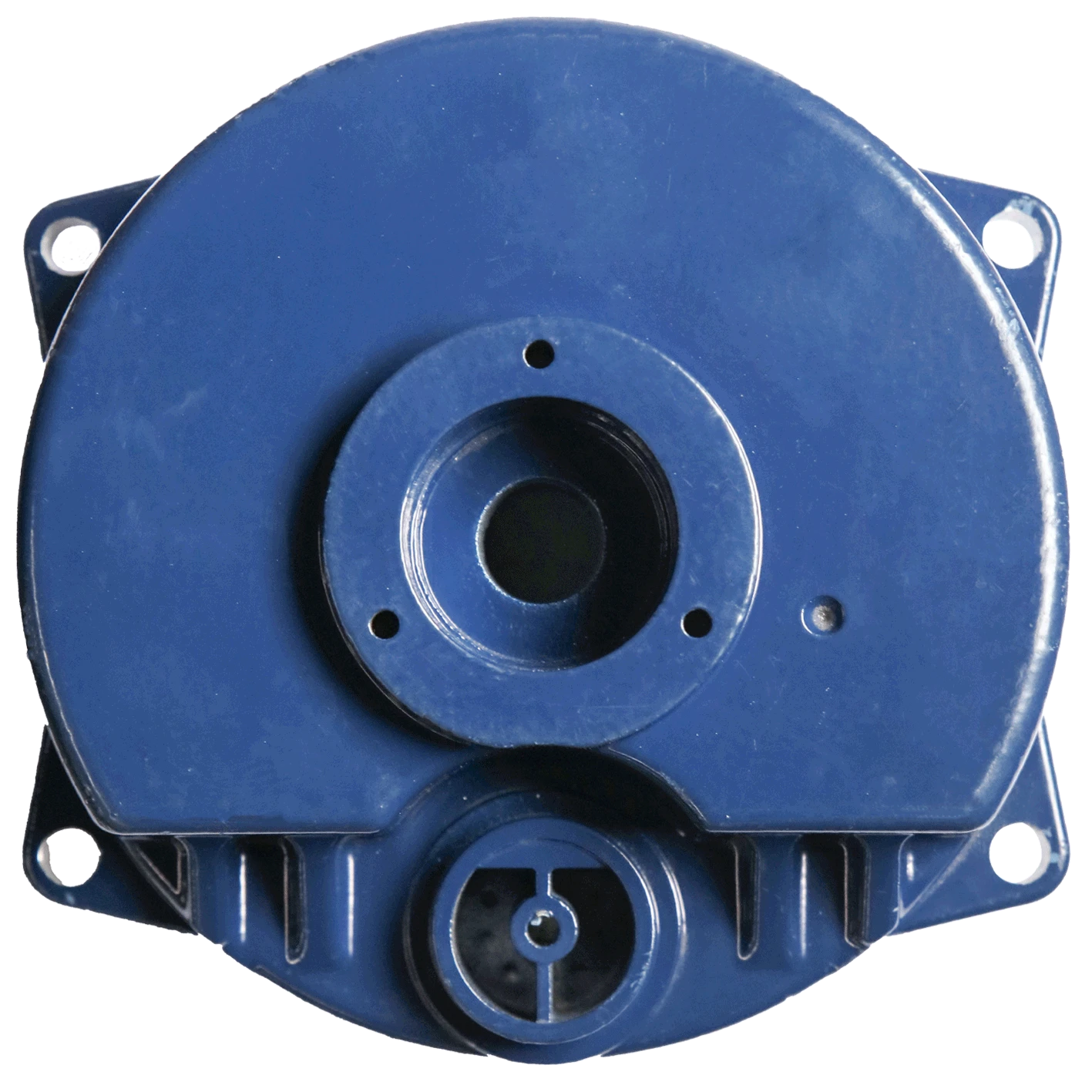
In agricultural machinery (such as large tractors, harvesters, and agricultural loaders), the engine oil pan, automobile oil pan, and motor housing are critical components for engine lubrication and protection. The engine oil pan stores engine oil, while the motor housing supports and shields internal engine parts—both directly affect the engine’s service life in harsh farm environments (dust, vibration, and long working hours). For wholesalers supplying agricultural machinery manufacturers and maintenance teams, providing clear installation guidance for these components helps clients reduce assembly errors and maintenance costs.
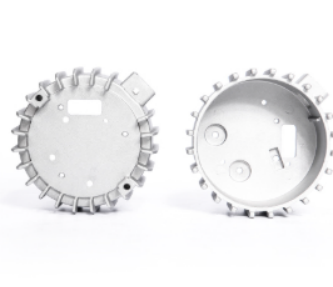
Preparation Before Installing Engine Oil Pan
- Prepare tools and components before installing the engine oil pan. Gather a torque wrench (to ensure bolt tightness), clean rags, engine oil gasket sealant (high-temperature resistant), and a new engine oil pan (from Hebei Yuanda Trade Co., Ltd.—check for cracks or deformities). Inspect the motor housing’s oil pan mounting surface: remove old gasket residues and rust with a wire brush, then wipe the surface clean with a rag. For agricultural machinery with integrated aluminum alloy radiators (in the motor housing), check the radiator’s connection to the engine—ensure no oil or coolant leaks that could affect the engine oil pan A wholesaler’s client reported reducing installation time by 20% with thorough preparation.
- Verify component compatibility before installation. Confirm that the engine oil pan matches the agricultural engine model (e.g., 6-cylinder diesel engine for a harvester). Check the motor housing’s mounting holes: ensure they align with the engine oil pan’s bolt holes (misalignment causes oil leaks). Hebei Yuanda Trade Co., Ltd. provides dimension charts for engine oil pan and motor housing to wholesalers, helping clients avoid compatibility issues. For older agricultural vehicles using automobile oil pan, confirm the pan’s depth (to ensure sufficient oil storage for long working hours).
Step-by-Step Installation of Engine Oil Pan
- Apply sealant and install the gasket to the engine oil pan. Squeeze a uniform bead of high-temperature sealant (3–5 mm thick) along the engine oil pan’s mounting edge—avoid excessive sealant that could block oil passages. Place a new gasket (supplied with Hebei Yuanda Trade Co., Ltd.’s engine oil pan) on the sealant, aligning it with the pan’s bolt holes. For agricultural machinery exposed to strong vibration, add a second layer of sealant to the gasket’s outer edge to enhance leak resistance. Lift the engine oil pan and align it with the motor housing’s mounting surface—ensure the pan does not tilt (prevents gasket damage).
- Tighten the bolts in a crisscross pattern to secure the engine oil pan. Use a torque wrench to tighten the bolts to the specified torque (25–35 N·m for aluminum alloy pans, 35–45 N·m for steel pans—Hebei Yuanda Trade Co., Ltd. provides torque guidelines). Start with the bolts at the center of the pan, then move outward in a crisscross order to ensure even pressure (avoids pan deformation). After initial tightening, wait 10–15 minutes for the sealant to set, then retighten the bolts to the specified torque. For automobile oil pan installed on agricultural transport vehicles, repeat the tightening process twice to account for road vibration.
Motor Housing Alignment for Engine Oil Pan Installation
- Align the motor housing before finalizing engine oil pan. The motor housing’s mounting surface must be level to ensure the engine oil pan sits evenly—use a level tool to check the surface (deviation ≤ 0.5 mm). For agricultural machinery with integrated aluminum alloy radiators (in the motor housing), adjust the radiator’s position to avoid interfering with the engine oil pan’s oil drain plug. Hebei Yuanda Trade Co., Ltd.’s motor housing has pre-drilled alignment marks, helping wholesalers’ clients speed up alignment. If the motor housing is bent (from tractor impacts), repair it before installation—bent housing causes uneven pan pressure and oil leaks.
- Check the motor housing’s oil passage alignment with the engine oil pan. Ensure the housing’s oil inlet/outlet holes align with the pan’s internal channels (misalignment reduces oil flow to the engine). For engine oil pan with a built-in oil filter (used in modern agricultural engines), confirm the filter’s connection to the motor housing’s oil passage. After alignment, connect the motor housing’s aluminum alloy radiator to the engine’s cooling system—ensure the radiator’s hoses are not kinked (maintains heat dissipation for long farm operations).
Post-Installation Inspection for Automobile Oil Pan & Engine Oil Pan
- Conduct a leak test after installing the engine oil pan or automobile oil pan. Add engine oil to the specified level (check the dipstick), then start the engine and let it idle for 15–20 minutes (simulate light farm operation). Turn off the engine and inspect the engine oil pan’s gasket and bolt areas for leaks—use a clean rag to wipe the pan’s surface, then check for oil stains. For agricultural machinery with high vibration (e.g., harvesters), run the engine at 50% load for 30 minutes, then recheck for leaks. Hebei Yuanda Trade Co., Ltd.’s engine oil pan has a double-gasket design, reducing leak risks by 40%.
- Inspect the motor housing’s aluminum alloy radiator after oil pan installation. Ensure the radiator’s fan works normally (draws heat from the engine) and check the coolant level (add coolant if needed). For agricultural machinery operating in dusty fields, install a dust cover on the radiator (supplied by Hebei Yuanda Trade Co., Ltd.) to prevent debris from blocking the radiator fins. Finally, record the installation date and torque values—this helps maintenance teams track the engine oil pan’s service life and plan future inspections.
Engine Oil Pan FAQS
What tools are needed to install engine oil pan on agricultural tractors?
To install engine oil pan on agricultural tractors, you need a torque wrench (for bolt tightening), wire brush (to clean motor housing residues), high-temperature sealant, new gasket (supplied with Hebei Yuanda Trade Co., Ltd.’s engine oil pan), and a level tool (for motor housing alignment). For steel engine oil pan, prepare a 14–17 mm socket set; for aluminum alloy pans, use a torque wrench with a 25–35 N·m range. Wholesalers can recommend tool kits to clients based on pan material.
How to avoid oil leaks when installing automobile oil pan on agricultural transport vehicles?
To avoid leaks when installing automobile oil pan, first clean the motor housing’s mounting surface (remove old gasket and rust). Apply a 3–5 mm uniform sealant bead on the automobile oil pan’s edge, then install the gasket and align the pan with the housing. Tighten bolts in a crisscross pattern (25–30 N·m torque) and retighten after 10 minutes. Hebei Yuanda Trade Co., Ltd.’s automobile oil pan has a grooved edge to hold sealant, reducing leaks by 40%. Wholesalers can advise clients to use the company’s matching gaskets for best results.
Why is motor housing alignment important for engine oil pan installation?
Motor housing alignment ensures the engine oil pan sits evenly—misaligned housing causes uneven bolt pressure, pan deformation, and oil leaks. The motor housing’s mounting surface must be level (deviation ≤ 0.5 mm) to align with the engine oil pan’s bolt holes. For motor housing with integrated aluminum alloy radiators, alignment also prevents radiator interference with the pan’s oil drain plug. Hebei Yuanda Trade Co., Ltd.’s motor housing has alignment marks, helping clients complete alignment quickly and accurately.
Does Hebei Yuanda Trade Co., Ltd. offer custom engine oil pan for non-standard agricultural engines?
Yes, Hebei Yuanda Trade Co., Ltd. offers custom engine oil pan for wholesalers’ clients with non-standard agricultural engines (e.g., modified harvesters). Clients can share engine model, oil capacity needs, and mounting hole positions, and the company will produce engine oil pan (steel or aluminum alloy) with matching gaskets. Custom pans undergo leak testing and are compatible with the company’s motor housing (with radiators). Wholesalers can rely on this service to support clients with unique machinery setups.
How to maintain the aluminum alloy radiator in motor housing after engine oil pan installation?
After engine oil pan installation, clean the aluminum alloy radiator in the motor housing monthly (remove dust with compressed air). Install a dust cover (from Hebei Yuanda Trade Co., Ltd.) for dusty farm environments. Check the radiator’s coolant level weekly and replace coolant every 6 months. Inspect the radiator’s fan and hoses quarterly—replace damaged hoses to maintain heat dissipation. These steps extend the radiator’s lifespan by 3 years, ensuring the engine and engine oil pan work normally in long farm operations.
-
Precision Valve Castings for Agricultural Irrigation and Fluid Control SystemsNewsMay.08,2026
-
Precision Impeller and Compressor Components for Agricultural MachineryNewsMay.08,2026
-
Essential Cast Components for Agricultural Machinery: Oil Management and Motor ProtectionNewsMay.08,2026
-
High-Performance Cast Components for Agricultural Machinery: From Cooling to Exhaust SystemsNewsMay.08,2026
-
Agricultural Valve Castings: Durable Flow Control Solutions for Farm Irrigation SystemsNewsMay.08,2026
-
High-Performance Agricultural Pump Components: Precision Castings for Reliable Farm OperationsNewsMay.08,2026