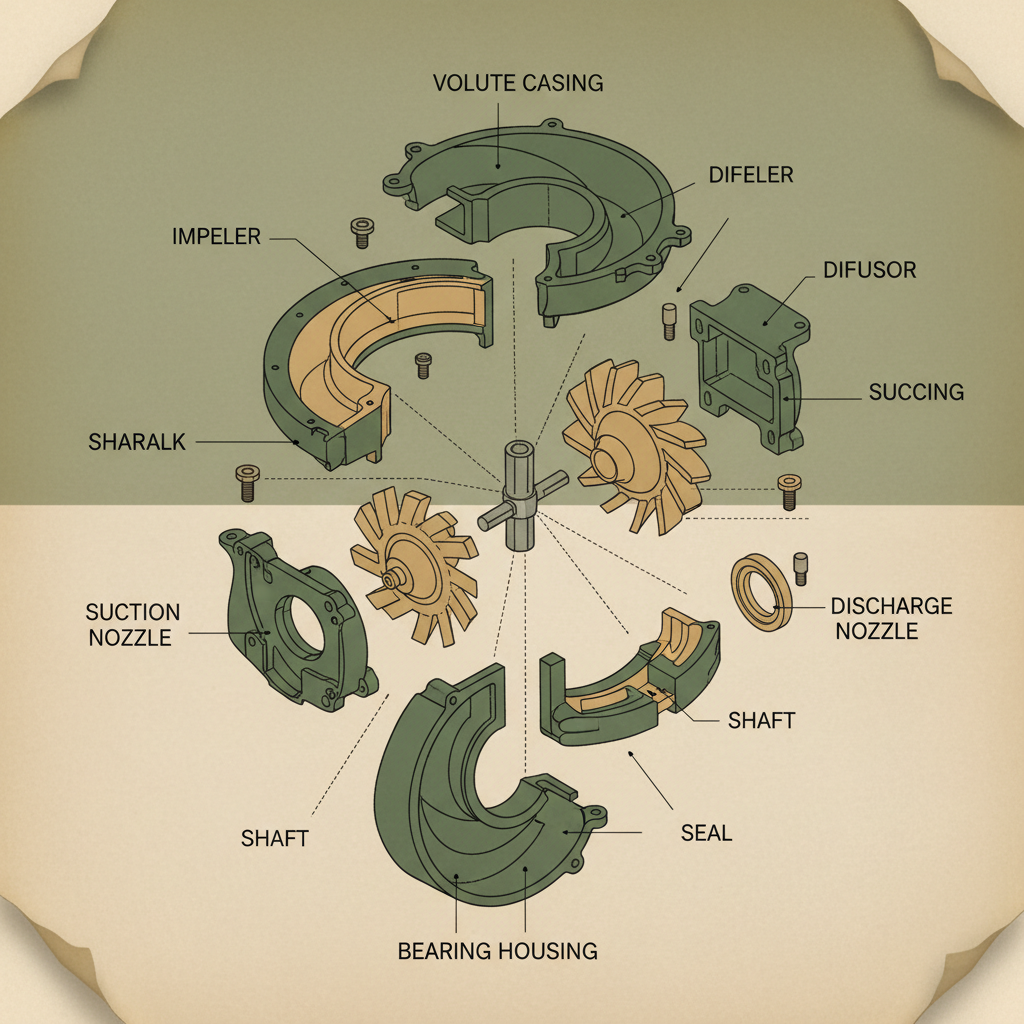
When procurement managers evaluate the end cap price, they are rarely looking for the lowest unit cost alone. In the context of industrial casting, the price of an end cap is a proxy for material integrity, casting precision, and long-term operational reliability in high-pressure environments.
Whether these components are destined for automotive power systems, pump housings, or valve assemblies, the cost structure is driven by a complex interplay of alloy selection—such as aluminum or stainless steel—and the specific molding process employed, from sand casting to high-pressure die casting.
Understanding the variables that shift the pricing landscape allows buyers to balance initial capital expenditure against the total cost of ownership, ensuring that a "budget" component does not lead to catastrophic system failure.

Decoding the Cost Drivers of Industrial End Caps

The valuation of a casting component is not a static figure but a result of several industrial variables. The primary driver is the raw material cost, which fluctuates based on global market prices for aluminum, cast iron, and stainless steel.
Beyond materials, the complexity of the geometry plays a critical role. End caps with integrated channels or high-precision mating surfaces require more intensive machining and tighter quality control, which inherently elevates the final price point.
Furthermore, the scale of production dictates the amortization of tooling costs. For custom OEM parts, the initial mold creation represents a significant upfront investment, whereas high-volume die-cast runs distribute this cost across thousands of units, lowering the per-piece price.
Material Influence on Production Costs and Durability
Selecting the right alloy is a trade-off between performance requirements and budget constraints. Aluminum alloys like A356 or AC-44200 offer an excellent strength-to-weight ratio, making them ideal for automotive applications where weight reduction is paramount.
Cast iron is often the preferred choice for heavy-duty pump and valve parts due to its superior compressive strength and wear resistance. While the material itself may be more affordable than high-grade stainless steel, the weight and machining requirements can offset some of these gains.
Stainless steel (304/316) occupies the premium end of the spectrum. Its corrosion resistance is essential for chemical or marine environments, but the higher melting point and difficult machining make these end caps significantly more expensive to produce via investment casting.
Application Scenarios and Their Pricing Implications
In the automotive sector, end caps are often critical structural components. The demand for lightweighting has pushed the industry toward semi-solid processing and magnesium alloys, which can achieve wall thicknesses as low as 1.0mm to 1.5mm.
For electric power accessories and industrial pumps, the focus shifts toward pressure containment and seal integrity. In these scenarios, the price reflects the rigorous testing—such as X-ray or ultrasonic inspection—required to ensure there are no internal porosities in the casting.
OEM customized parts often involve the most volatile pricing because they require unique engineering support. The cost here includes the mechanical and material expertise needed to optimize the part design for the chosen casting process to reduce scrap rates.
Analyzing Process Efficiency and Quality Benchmarks
The efficiency of the casting process directly impacts the final cost. Digital technology in modern foundries has reduced scrap rates to between 2% and 5% in advanced markets, significantly lowering the "hidden cost" of waste.
Die casting offers high dimensional accuracy and surface quality, which reduces the need for secondary machining. In contrast, sand casting is more flexible for large, heavy components (up to 2000kg) but may require more finishing work to meet tight tolerances.
End Cap Process Efficiency Metrics
When comparing traditional methods to optimized digital casting, the reduction in lead time and waste provides a measurable advantage in the total procurement cost, even if the initial setup fee is higher.
Strategic Procurement for Custom Metal Castings
Effective procurement of custom end caps requires a shift from "price per piece" to "comprehensive cost reduction." This involves collaborating with suppliers who provide one-stop solutions from design to QC.
Buyers should evaluate the supplier's resource flexibility. A supplier with access to diverse foundry resources—capable of handling sand, die, and investment casting—can suggest the most cost-effective process for a specific design.
Verification of quality standards is non-negotiable. Ensuring that the supplier has a dedicated team of mechanical and material engineers reduces the risk of design flaws that could lead to costly re-tooling mid-project.
Future Trends in Lightweight Casting Technology
The industry is moving toward integrated design, where multiple components are cast as a single piece. This trend is likely to reduce the overall number of parts, thereby reducing assembly costs and potential leak points.
Semi-solid processing for magnesium and aluminum alloys is expected to gain further traction in the automotive sector. This technology could potentially lower the cost of high-performance parts by reducing wall thickness while maintaining structural rigidity.
Environmental regulations are also influencing the cost structure. Foundries investing in low-emission technology and digital simulation may face higher initial costs but will likely achieve better long-term stability and lower scrap rates.
Comparative Evaluation of Casting Methods for End Caps
Choosing the right production method is the most significant lever in controlling the final price and performance of an end cap.
The following table compares the most common casting processes used in industrial applications to help buyers align their technical needs with their budget.
| Casting Process | Typical Material | Cost Driver | Best Use Case |
|---|---|---|---|
| Sand Casting | Cast Iron/Aluminum | Low Tooling / High Finish | Large Pump Housings |
| Die Casting | Aluminum Alloys | High Tooling / Low Unit | Auto Power Systems |
| Investment Casting | Stainless Steel | Labor Intensive / High Precision | Valve Internal Parts |
| Lost Foam | Cast Iron | Complex Geometry / Moderate Cost | Custom OEM Components |
| Semi-Solid | Magnesium/Alloy | Advanced Tech / Lightweight | Integrated Auto Parts |
| Precision Casting | Alloy Steel | Material Cost / High Detail | High-Pressure Caps |
For those evaluating specific requirements, reviewing the capabilities available at www.ydcastings.com can provide insights into which process best fits the desired balance of cost and quality.
Frequently Asked Questions
Conclusion
Determining the ideal end cap price requires a nuanced understanding of the balance between material properties, manufacturing processes, and the specific demands of the application. By shifting focus from the initial unit cost to the total lifecycle value, procurement professionals can secure components that enhance system reliability while optimizing expenditures.
For organizations seeking flexible, high-quality customized metal casting solutions that balance efficiency with technical performance, exploring the resources and capabilities at www.ydcastings.com can provide the necessary engineering support to achieve these goals.