English

Mobile:+86-311-808-126-83
Email:info@ydcastings.com
English
Understanding the Mechanism and Applications of Impeller Turbine Technology
The Impeller Turbine An Overview of Its Mechanism and Applications
The impeller turbine is a remarkable innovation in the field of fluid dynamics, showcasing the intricate relationship between mechanical engineering and energy conversion. This type of turbine is widely used in various applications, particularly in hydropower generation, water pumping, and aeration systems. Understanding its mechanism and advantages can provide insights into its importance in both industrial and environmental contexts.
At its core, the impeller turbine consists of a rotating component, known as the impeller, which is designed to transfer kinetic energy to a fluid—in most cases, water or air. The impeller’s blades, strategically arranged around a central axis, are responsible for converting the mechanical energy from the rotation into fluid motion. As the impeller spins, it accelerates the fluid that enters the turbine, creating a stream that exits at a higher velocity.
One of the key advantages of the impeller turbine is its efficiency and reliability in energy conversion. Unlike traditional drag-based turbines, which rely on the force of fluid flow to generate rotational motion, impeller turbines capitalize on the dynamic pressure created by fast-moving blades. This not only allows for a greater efficiency in converting energy but also enables these turbines to operate effectively across a range of conditions. For example, they can function in low flow situations, making them particularly valuable in applications where water availability is variable.
impeller turbine
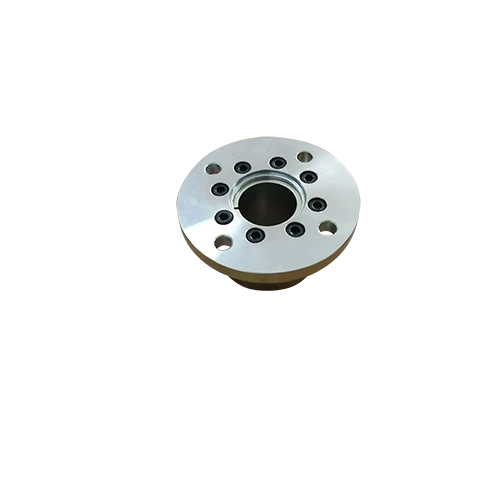
Impeller turbines are also renowned for their versatility. They can be employed in various designs, each tailored to specific applications. In hydropower systems, for instance, impeller turbines are used to harness energy from flowing water, transforming kinetic energy into electricity. In irrigation systems, they are utilized to pump water efficiently, optimizing agricultural productivity in regions where water scarcity is a concern. Furthermore, in the field of environmental management, impeller turbines play a crucial role in aeration processes required for wastewater treatment, enhancing the biological processes that break down pollutants.
Moreover, advancements in technology have significantly improved the design and performance of impeller turbines. Modern materials and manufacturing techniques have led to turbines that are lighter, more durable, and more resistant to corrosion and wear. Computational fluid dynamics (CFD) has enabled engineers to optimize blade designs, leading to improved flow patterns and energy capture rates. As a result, contemporary impeller turbines exhibit heightened performance metrics, which contribute to their increased adoption in various sectors.
Despite their advantages, the implementation of impeller turbines is not without challenges. Ensuring the proper design and maintenance is crucial for optimal performance. Turbulence, cavitation, and material fatigue can adversely affect turbine efficiency and lifespan. Therefore, regular monitoring and maintenance, along with thoughtful engineering design, are essential to mitigate these issues.
In conclusion, the impeller turbine represents a sophisticated solution for harnessing energy from fluid systems. Its efficient energy conversion capabilities make it a crucial component in diverse applications ranging from renewable energy production to agricultural and environmental processes. As technology continues to advance, the future of impeller turbines looks promising, with potential enhancements paving the way for even greater efficiencies and broader applications in our evolving technological landscape. With a commitment to innovation and sustainability, the impeller turbine will undoubtedly remain a key player in the quest for efficient energy solutions.
-
Precision Valve Castings for Agricultural Irrigation and Fluid Control SystemsNewsMay.08,2026
-
Precision Impeller and Compressor Components for Agricultural MachineryNewsMay.08,2026
-
Essential Cast Components for Agricultural Machinery: Oil Management and Motor ProtectionNewsMay.08,2026
-
High-Performance Cast Components for Agricultural Machinery: From Cooling to Exhaust SystemsNewsMay.08,2026
-
Agricultural Valve Castings: Durable Flow Control Solutions for Farm Irrigation SystemsNewsMay.08,2026
-
High-Performance Agricultural Pump Components: Precision Castings for Reliable Farm OperationsNewsMay.08,2026