English

Mobile:+86-311-808-126-83
Email:info@ydcastings.com
English
End Cap Solutions for Radiator Valve Applications and Installation Tips
The Importance of Radiator Valve End Caps in HVAC Systems
In any heating, ventilation, and air conditioning (HVAC) system, every component plays a key role in ensuring efficient operation and maintaining comfort levels. Among these components, the radiator valve end cap may seem like a minor part, yet it serves significant functions that can impact both system performance and maintenance.
What Are Radiator Valve End Caps?
Radiator valve end caps are small fittings that close off the ends of radiator valves. They are typically made of materials such as brass, plastic, or stainless steel, designed to withstand the high temperatures and pressures commonly found in heating systems. The main purpose of these end caps is to provide a seal that prevents leaks, ensuring that fluids such as water or steam can circulate effectively without loss.
The Role of End Caps in System Efficiency
1. Leak Prevention One of the primary roles of radiator valve end caps is to prevent leaks. A well-sealed radiator valve prevents the escape of heated water or steam, maintaining the energy efficiency of the heating system. A leak may not only waste energy, leading to higher utility bills, but can also cause water damage and mold growth in a building.
2. Pressure Maintenance HVAC systems often operate under a specific pressure range to function optimally. Radiator valve end caps aid in maintaining this pressure by ensuring that the system is properly sealed. Without effective end caps, the system may experience fluctuations in pressure, leading to inefficient heating and potential damage to other components.
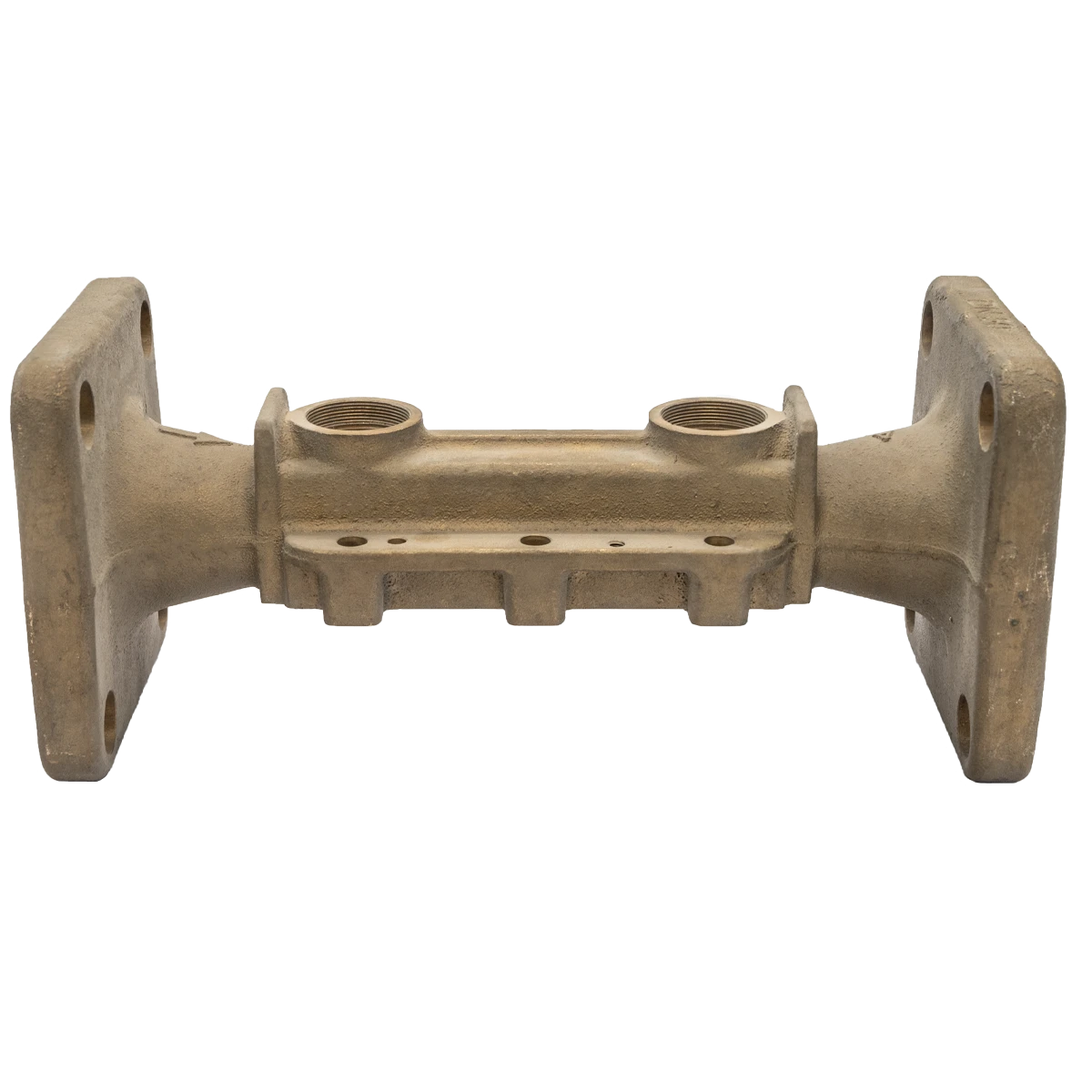
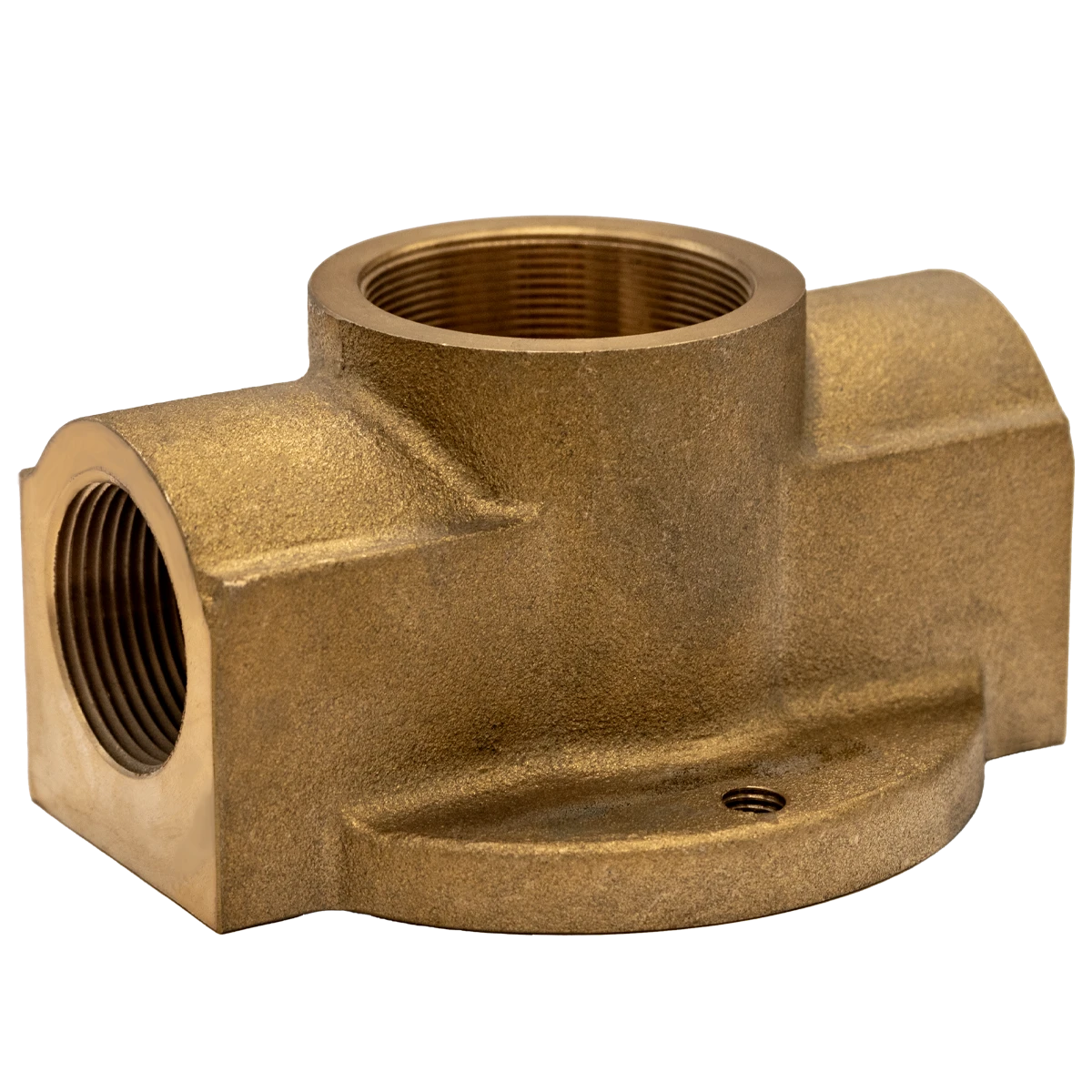
radiator valve end cap
3. Safety Considerations Radiator systems can reach high temperatures and pressures. The integrity provided by end caps is crucial for safety. If a valve were to fail and leak under pressure, it could lead to accidents or costly damage. Properly installed end caps act as a critical line of defense against such hazards.
Maintenance and Replacement
Regular maintenance of HVAC systems is vital for long-term performance. During routine checks, it’s essential to inspect radiator valve end caps for signs of wear, corrosion, or damage. Old or damaged caps should be replaced promptly to avoid issues down the line. The process of replacing these caps is relatively straightforward but requires attention to detail to ensure that the seal is secure.
Choosing the Right End Caps
When selecting radiator valve end caps, it's important to consider factors such as the type of radiator, the operating conditions, and the materials of the existing valve. For instance, brass caps offer durability and excellent sealing properties, while plastic caps may be lighter and easier to handle. Always consult with a professional or refer to the manufacturer’s specifications to choose the appropriate end cap for your system.
Conclusion
Though they might be small components, radiator valve end caps play an essential role in the overall efficiency and safety of HVAC systems. By preventing leaks, maintaining pressure, and ensuring safe operation, these seemingly simple fittings contribute significantly to the comfort of our indoor environments. Regular inspections and timely replacements of radiator valve end caps can lead to improved energy efficiency, reduced costs, and extended system lifespan. For those managing HVAC systems, paying attention to every component – no matter how small – is crucial for optimal performance.
-
Precision Valve Castings for Agricultural Irrigation and Fluid Control SystemsNewsMay.08,2026
-
Precision Impeller and Compressor Components for Agricultural MachineryNewsMay.08,2026
-
Essential Cast Components for Agricultural Machinery: Oil Management and Motor ProtectionNewsMay.08,2026
-
High-Performance Cast Components for Agricultural Machinery: From Cooling to Exhaust SystemsNewsMay.08,2026
-
Agricultural Valve Castings: Durable Flow Control Solutions for Farm Irrigation SystemsNewsMay.08,2026
-
High-Performance Agricultural Pump Components: Precision Castings for Reliable Farm OperationsNewsMay.08,2026