English

Mobile:+86-311-8081-2683
Email:info@ydcastings.com
English
Feb . 03, 2025 05:13
Back to list
Connector
Understanding the Impeller in Motor Systems A Deep Dive into Functionality and Efficiency
Flow rate and pressure are two critical metrics in assessing an impeller’s effectiveness. The unique interplay of these factors necessitates a precise calibration to maintain system stability and performance. Practitioners often employ Computational Fluid Dynamics (CFD) simulations to model and predict how an impeller will interact within a system, thus ensuring optimal design before physical implementation. This expert approach aids in avoiding operational pitfalls and enhances overall system reliability. Maintaining an impeller requires regular inspection and maintenance to prevent common issues like cavitation, where vapor bubbles form due to pressure changes, leading to potential damage and efficiency loss. Early identification through routine checks can mitigate these risks. Implementing periodic cleaning and performance assessments further extends an impeller’s operational lifespan, highlighting how regular maintenance impacts long-term trustworthiness and reliability in motor systems. In practical applications, understanding the environment where an impeller functions is crucial. Factors such as temperature, particulate matter, and fluid properties demand careful consideration during design and implementation. An intricate knowledge of these elements, combined with field expertise, supports the creation of motor systems that consistently perform at peak efficiency and reliability. Ultimately, the impeller stands as an indispensable component in modern engineering, embodying the intricate balance between design, material choice, and application needs. As industries continue to evolve and demand higher efficiency and sustainable solutions, the role of impellers in motor systems remains central. By embracing advanced technologies and continuous innovation, engineers and practitioners can ensure that these pivotal components meet the rigorous requirements of today’s diverse applications. In conclusion, the significance of the impeller in motor-driven systems cannot be overstated. With expert knowledge and authoritative insights, stakeholders can achieve elevated performance levels and sustainable outcomes. This focus on experience, expertise, authority, and trust underscores the strategic approaches in employing impellers across varied disciplines, ensuring their enduring relevance and success in the engineering landscape.
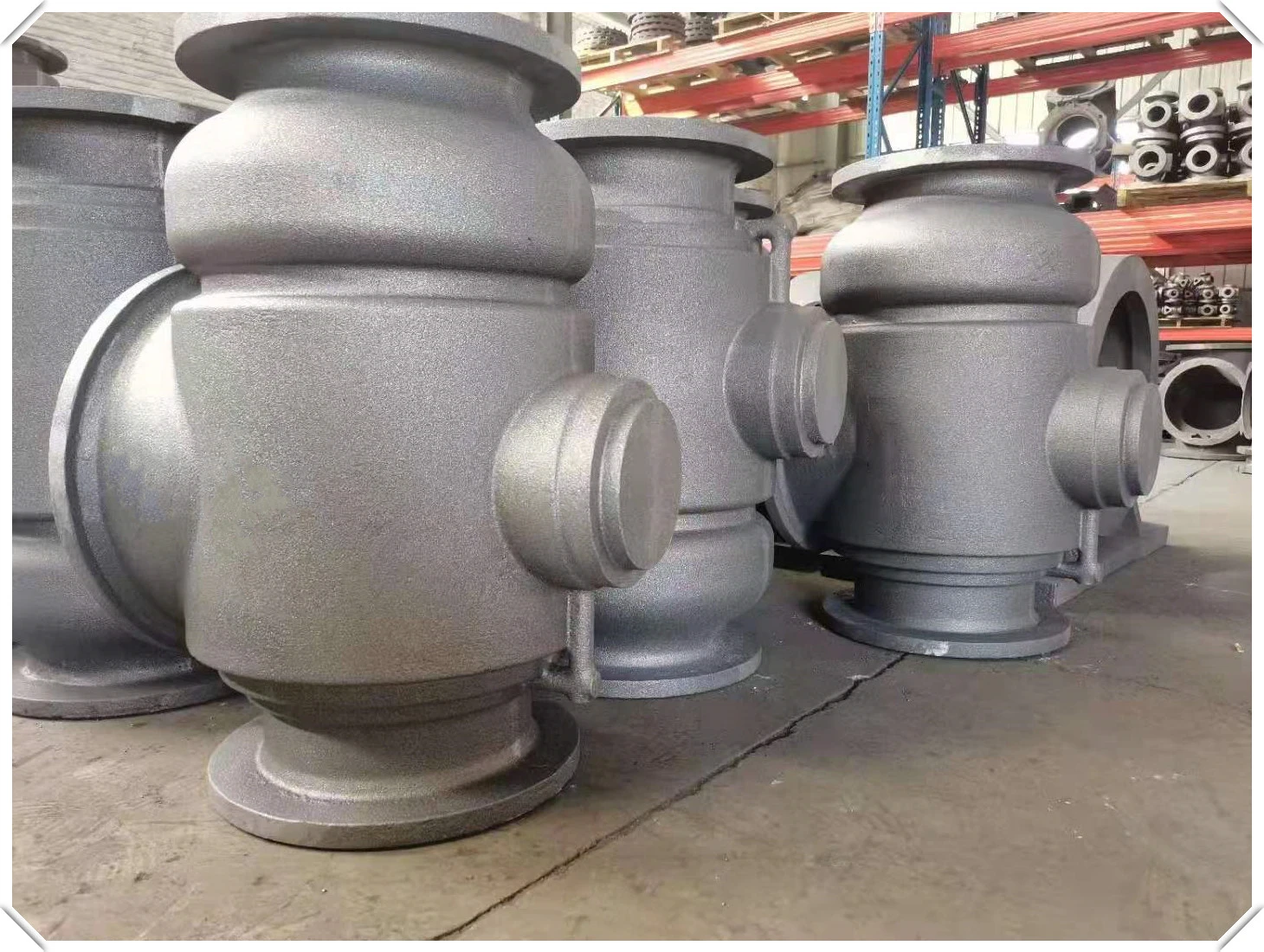
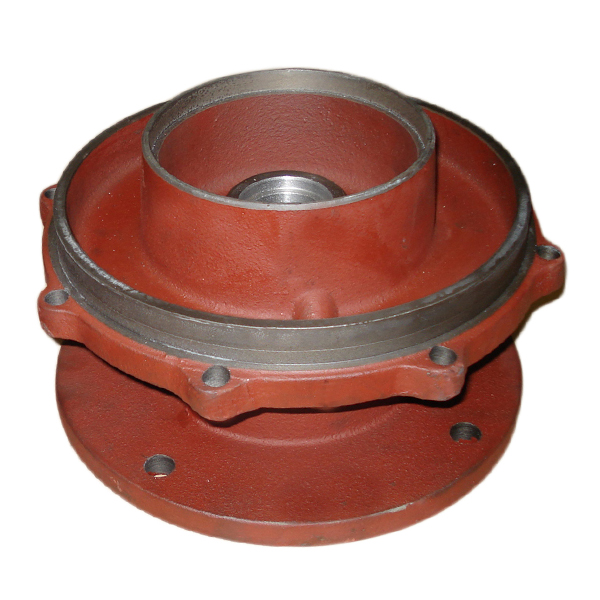
Flow rate and pressure are two critical metrics in assessing an impeller’s effectiveness. The unique interplay of these factors necessitates a precise calibration to maintain system stability and performance. Practitioners often employ Computational Fluid Dynamics (CFD) simulations to model and predict how an impeller will interact within a system, thus ensuring optimal design before physical implementation. This expert approach aids in avoiding operational pitfalls and enhances overall system reliability. Maintaining an impeller requires regular inspection and maintenance to prevent common issues like cavitation, where vapor bubbles form due to pressure changes, leading to potential damage and efficiency loss. Early identification through routine checks can mitigate these risks. Implementing periodic cleaning and performance assessments further extends an impeller’s operational lifespan, highlighting how regular maintenance impacts long-term trustworthiness and reliability in motor systems. In practical applications, understanding the environment where an impeller functions is crucial. Factors such as temperature, particulate matter, and fluid properties demand careful consideration during design and implementation. An intricate knowledge of these elements, combined with field expertise, supports the creation of motor systems that consistently perform at peak efficiency and reliability. Ultimately, the impeller stands as an indispensable component in modern engineering, embodying the intricate balance between design, material choice, and application needs. As industries continue to evolve and demand higher efficiency and sustainable solutions, the role of impellers in motor systems remains central. By embracing advanced technologies and continuous innovation, engineers and practitioners can ensure that these pivotal components meet the rigorous requirements of today’s diverse applications. In conclusion, the significance of the impeller in motor-driven systems cannot be overstated. With expert knowledge and authoritative insights, stakeholders can achieve elevated performance levels and sustainable outcomes. This focus on experience, expertise, authority, and trust underscores the strategic approaches in employing impellers across varied disciplines, ensuring their enduring relevance and success in the engineering landscape.
Next:
Latest news
-
Choosing an Engine Storage Crate Cover for Material and EnvironmentNewsNov.23,2026
-
Cylinder Head Chamber Buyers: Check the Casting Specification FirstNewsNov.17,2026
-
How Impeller Casting Manufacturers Match Material, Process and EquipmentNewsNov.15,2026
-
Valve body vs. intake air chamber: Which casting fits your assembly?NewsNov.02,2026
-
Air Intake Chamber FAQ: Specifications, Ordering and Support QuestionsNewsOct.28,2026
-
Motorcycle Accessories FAQ: Specifications, Ordering and Support QuestionsNewsOct.24,2026
Related PRODUCTS










