English

Mobile:+86-311-808-126-83
Email:info@ydcastings.com
English
Techniques for Sand Casting Brass Effortlessly and Effectively in Your Workshop
How to Cast Brass in Sand
Casting brass in sand is a time-honored technique that combines artistry with metallurgy to create intricate designs and functional components. This method is favored for its simplicity, cost-effectiveness, and the ability to produce castings with excellent surface finishes. Here’s a step-by-step guide to casting brass in sand.
Materials and Equipment
Before you start, gather the necessary materials and equipment - Brass Alloy You can use pre-mixed brass or mix your own with copper and zinc. - Sand Use green sand, a mixture of sand, clay, and water, which is ideal for molding. - Mold Box This can be made from wood or metal, and is used to contain the sand. - Melting Furnace A crucible furnace or a propane torch will work for melting brass. - Safety Gear Protective gloves, goggles, and a face shield are essential for safety.
Step 1 Designing the Pattern
The first step in the casting process is to create a pattern of the object you wish to cast. This pattern can be made from wood, metal, or plastic. It's important that the pattern is slightly larger than the final product because the brass will shrink as it cools. Ensure that the design includes any required details, such as undercuts or features that will aid in the mold forming.
Step 2 Preparing the Sand Mold
Once you have your pattern, it’s time to make the mold 1. Fill the Mold Box Place a layer of green sand at the bottom of the mold box. 2. Lay the Pattern Press the pattern into the sand, ensuring it is well-formed and uniform. 3. Compact the Sand Apply additional sand over the pattern, packing it down firmly. This helps create a solid mold that can withstand the molten brass. 4. Create a Split Mold For complex shapes, you might need to create two halves of the mold. Carefully remove the pattern after compacting one side, then repeat the process with the other side.
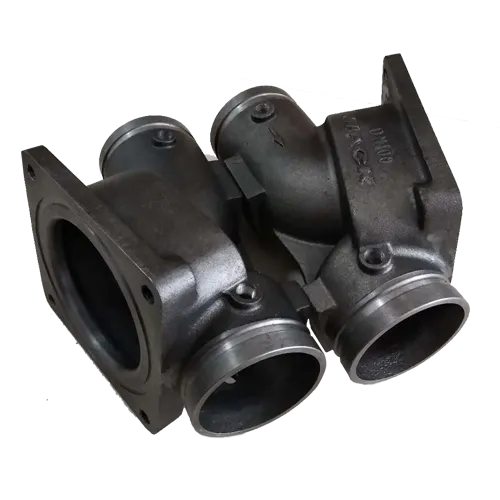
how to cast brass in sand
Step 3 Melting the Brass
Next, it’s time to melt the brass. Place your brass in the melting furnace and heat it to around 900°C (1650°F). Monitor the temperature carefully, and use a crucible to handle the molten metal safely. Once melted, stir the metal to ensure uniform composition and remove any slag that forms on the surface.
Step 4 Pouring the Brass
With your mold ready and brass melted, carefully pour the molten brass into the prepared sand mold 1. Pouring Process Tilt the crucible and pour the brass slowly into the mold until it fills to the top. Be steady to avoid spills and ensure an even fill. 2. Allow to Cool Leave the mold undisturbed for several hours to allow the brass to cool and solidify completely.
Step 5 Finishing Touches
Once the brass has cooled, it’s time to remove the casting from the mold 1. Disassemble the Mold Carefully remove the mold halves. Use a hammer if necessary to free the casting—be mindful to avoid damaging it. 2. Clean the Casting Remove any excess sand and polish the surface as needed. This may involve grinding or sanding to achieve the desired finish.
Conclusion
Casting brass in sand is a rewarding process that merges creativity with craftsmanship. With patience and practice, anyone can learn to cast intricate brass objects, whether for artistic purposes or practical applications. Remember always to prioritize safety while handling molten metal, and enjoy the satisfaction of creating something unique from scratch. Happy casting!
-
Precision Valve Castings for Agricultural Irrigation and Fluid Control SystemsNewsMay.08,2026
-
Precision Impeller and Compressor Components for Agricultural MachineryNewsMay.08,2026
-
Essential Cast Components for Agricultural Machinery: Oil Management and Motor ProtectionNewsMay.08,2026
-
High-Performance Cast Components for Agricultural Machinery: From Cooling to Exhaust SystemsNewsMay.08,2026
-
Agricultural Valve Castings: Durable Flow Control Solutions for Farm Irrigation SystemsNewsMay.08,2026
-
High-Performance Agricultural Pump Components: Precision Castings for Reliable Farm OperationsNewsMay.08,2026