English

Mobile:+86-311-808-126-83
Email:info@ydcastings.com
English
casting porosity
Casting Porosity Understanding and Mitigating Defects in Metal Casting
Casting porosity is a common defect encountered in the metal casting process, which significantly affects the overall quality and integrity of cast parts. It refers to the presence of voids or gas pockets within a solidified metal structure, which can compromise mechanical properties and reduce the reliability of components utilized in various industries, including automotive, aerospace, and construction.
The formation of porosity can occur due to several factors during the casting process. One major contributor is the trapped gas, which can originate from the mold material, the metal itself, or the environment in which the casting takes place. As molten metal cools and solidifies, any dissolved gases, primarily hydrogen, can become entrapped, leading to the formation of bubbles. These bubbles may grow larger, resulting in significant voids, or they may remain small but numerous, collectively affecting the material’s performance.
Additionally, the temperature gradient during solidification plays a crucial role in porosity formation. In regions where cooling occurs unevenly, shrinkage can lead to the development of cavities. This is particularly prevalent in thick sections of castings, where the cooling rates differ drastically compared to thinner sections. Furthermore, the choice of casting method—such as sand casting, die casting, or investment casting—can influence the propensity for porosity due to variations in fluidity, mold permeability, and cooling rates.
To mitigate the risks associated with casting porosity, several strategies can be implemented. First and foremost, controlling the melting and pouring temperatures of the metal can reduce the solubility of gases. By minimizing the temperature differential between the pouring and solidification processes, manufacturers can decrease the likelihood of gas entrapment.
casting porosity
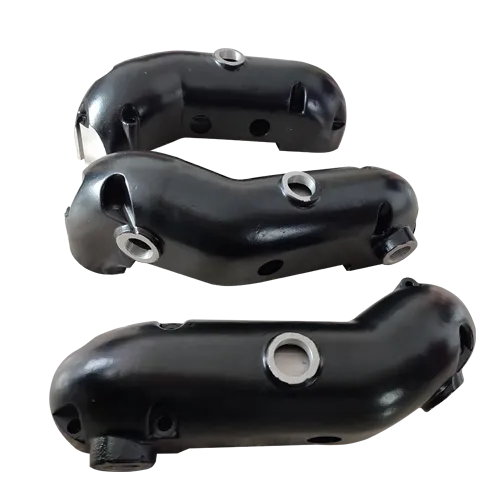
Additionally, optimizing the design of the casting itself is crucial. Engineers can introduce features such as risers and runners, which facilitate the flow of molten metal and help to direct the passage of gases away from critical areas of the casting. Incorporating fillets and rounded corners can also promote uniform cooling and reduce the incidence of hotspots that are prone to shrinkage porosity.
Using high-quality mold materials that possess good permeability can also help reduce porosity. Molds that allow gases to escape during the pouring process can significantly decrease the likelihood of entrapment. Furthermore, the implementation of vacuum casting techniques can create a negative pressure environment that aids in removing gases from the molten metal.
Advanced simulation tools are increasingly utilized in the design phase of cast components. These tools enable engineers to predict potential porosity locations and evaluate the effectiveness of various design modifications. By simulating the casting process, manufacturers can identify and rectify potential issues before actual production begins, ultimately saving time and resources.
In conclusion, casting porosity is a critical defect that manufacturers strive to control in the production of metal components. By understanding the causes and implementing various mitigation strategies, the industry can enhance casting quality and ensure that final products meet stringent performance and safety standards. Through continuous research and technological advancements, the future of casting processes looks promising for overcoming challenges associated with porosity.
-
Precision Valve Castings for Agricultural Irrigation and Fluid Control SystemsNewsMay.08,2026
-
Precision Impeller and Compressor Components for Agricultural MachineryNewsMay.08,2026
-
Essential Cast Components for Agricultural Machinery: Oil Management and Motor ProtectionNewsMay.08,2026
-
High-Performance Cast Components for Agricultural Machinery: From Cooling to Exhaust SystemsNewsMay.08,2026
-
Agricultural Valve Castings: Durable Flow Control Solutions for Farm Irrigation SystemsNewsMay.08,2026
-
High-Performance Agricultural Pump Components: Precision Castings for Reliable Farm OperationsNewsMay.08,2026