English

Mobile:+86-311-8081-2683
Email:info@ydcastings.com
English
Feb . 08, 2025 06:02
Back to list
cap for pipe end
The world of irrigation and plumbing demands precision and reliability, especially when it comes to selecting the right components for a system that could either nurture or damage your landscape or project. Enter the hose end cap male, a small but crucial component that plays a significant role in ensuring that your system operates efficiently and effectively. Understanding its importance, function, and application can save you time, energy, and resources.
For a component to be trustworthy, it must undergo rigorous testing to prove its capabilities under stress. Manufacturers that provide detailed reports on burst pressure ratings, longevity tests, and environmental impact assessments offer an added layer of assurance to consumers. Trustworthiness also arises from transparency in manufacturing processes and sourcing practices. It's beneficial to opt for products from companies that are upfront about these details and have a reputable standing in the market. Now, let's explore a real-world application scenario to shed light on the practical experience of utilizing a hose end cap male. In a community gardening project where resource management is paramount, these caps prove invaluable by easily allowing for sections of the irrigation network to be temporarily shut off during maintenance or seasonal changes, without disrupting water flow to other areas. This modular approach not only enhances water efficiency but reduces the potential for over-watering and erosion. Furthermore, during colder months, these caps safeguard the system from freezing damage by securely sealing off water access to areas prone to frost. In conclusion, hose end cap male fittings are more than just accessories—they're essential for ensuring the integrity and efficiency of any irrigation or plumbing system. Their role in controlling fluid dynamics, maintaining pressure, and preventing leaks cannot be overstated. When fortified by expert recommendations and a commitment to quality and compliance, these components stand as a testament to planned and proficient water management. Acknowledging their significance and investing in a reliable and tested product leads to long-term benefits and satisfaction. As you navigate the plethora of products available, remember that the ultimate goal is a system that not only functions impeccably but upholds the standards of safety, efficiency, and sustainability.
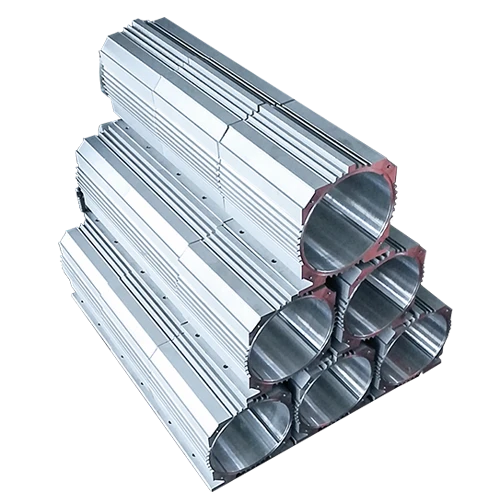
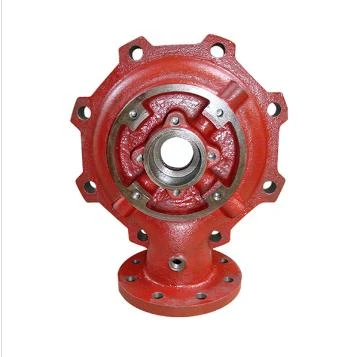
For a component to be trustworthy, it must undergo rigorous testing to prove its capabilities under stress. Manufacturers that provide detailed reports on burst pressure ratings, longevity tests, and environmental impact assessments offer an added layer of assurance to consumers. Trustworthiness also arises from transparency in manufacturing processes and sourcing practices. It's beneficial to opt for products from companies that are upfront about these details and have a reputable standing in the market. Now, let's explore a real-world application scenario to shed light on the practical experience of utilizing a hose end cap male. In a community gardening project where resource management is paramount, these caps prove invaluable by easily allowing for sections of the irrigation network to be temporarily shut off during maintenance or seasonal changes, without disrupting water flow to other areas. This modular approach not only enhances water efficiency but reduces the potential for over-watering and erosion. Furthermore, during colder months, these caps safeguard the system from freezing damage by securely sealing off water access to areas prone to frost. In conclusion, hose end cap male fittings are more than just accessories—they're essential for ensuring the integrity and efficiency of any irrigation or plumbing system. Their role in controlling fluid dynamics, maintaining pressure, and preventing leaks cannot be overstated. When fortified by expert recommendations and a commitment to quality and compliance, these components stand as a testament to planned and proficient water management. Acknowledging their significance and investing in a reliable and tested product leads to long-term benefits and satisfaction. As you navigate the plethora of products available, remember that the ultimate goal is a system that not only functions impeccably but upholds the standards of safety, efficiency, and sustainability.
Next:
Latest news
-
Choosing an Engine Storage Crate Cover for Material and EnvironmentNewsNov.23,2026
-
Cylinder Head Chamber Buyers: Check the Casting Specification FirstNewsNov.17,2026
-
How Impeller Casting Manufacturers Match Material, Process and EquipmentNewsNov.15,2026
-
Valve body vs. intake air chamber: Which casting fits your assembly?NewsNov.02,2026
-
Air Intake Chamber FAQ: Specifications, Ordering and Support QuestionsNewsOct.28,2026
-
Motorcycle Accessories FAQ: Specifications, Ordering and Support QuestionsNewsOct.24,2026
Related PRODUCTS










