English

Mobile:+86-311-8081-2683
Email:info@ydcastings.com
English
High Efficiency Impeller Design for Enhanced Pressure Performance and Flow Dynamics
High Pressure Impellers Design, Applications, and Benefits
High pressure impellers are essential components in various industrial applications, particularly in the fields of fluid mechanics and thermodynamics. These devices are designed to impart energy to fluids, enabling them to move effectively through systems under high pressure conditions. Their applications range from power generation to chemical processing, showcasing the versatility and importance of this technology.
Understanding Impellers
At its core, an impeller is a rotating component of a centrifugal pump or compressor. It consists of a series of blades that, when rotated, accelerate the fluid from the center towards the periphery. High pressure impellers are specifically designed to handle fluids at elevated pressures, which necessitates robust construction and precise engineering. The design of these impellers is critical, as it directly affects the efficiency, reliability, and overall performance of the system.
Design Considerations
The design of high pressure impellers involves several key considerations
1. Material Selection Due to the extreme conditions under which high pressure impellers operate, selecting the right materials is crucial. Common materials include stainless steel, titanium, and specialized alloys that offer increased strength and corrosion resistance.
2. Blade Geometry The shape and angle of the blades significantly influence the impeller’s performance. A well-designed blade will optimize fluid flow, minimize turbulence, and enhance energy transfer efficiency. Computational fluid dynamics (CFD) simulations are often used in the design process to visualize fluid flow and identify potential improvements.
3. Backflow Prevention High pressure systems risk backflow, which can lead to inefficiencies and mechanical failure. Impellers must be designed to minimize backflow effects, ensuring fluid is directed appropriately throughout the system.
4. Clearances and Tolerances Tight tolerances between impeller components are necessary to maintain the efficiency and performance of high pressure systems. Any excessive clearance can result in performance losses, increased energy consumption, or wear-related failures.
Applications of High Pressure Impellers
High pressure impellers find applications in various industries, including
high pressure impeller
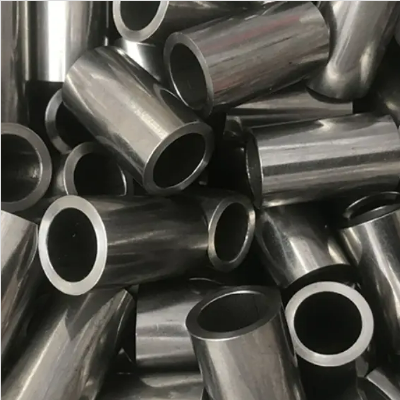
- Oil and Gas In the exploration and production of oil and gas, high pressure impellers are utilized in pumps that transport crude oil and natural gas from underground reservoirs to the surface and through pipelines
.- Chemical Processing Many chemical reactions require the use of high pressure to increase reaction rates. High pressure impellers are used in reactors and pumps to facilitate the safe and efficient transport of chemicals under such conditions.
- Aerospace and Aviation High pressure impellers are critical in jet engines where they help compress air before it enters the combustion chamber, significantly increasing the engine's efficiency and performance.
- HVAC Systems In heating, ventilation, and air conditioning systems, high pressure impellers are utilized in blowers and fans to ensure adequate airflow and temperature control throughout buildings.
Benefits of High Pressure Impellers
The use of high pressure impellers comes with several benefits, including
1. Increased Efficiency High pressure impellers allow for improved fluid dynamics, leading to better energy efficiency and reduced operational costs.
2. Enhanced Performance These impellers can handle a variety of fluid types and pressures, enabling systems to operate effectively across different scenarios.
3. Durability and Reliability Designed to withstand extreme conditions, high pressure impellers offer longer service life, requiring less frequent replacements and maintenance.
4. Versatility High pressure impellers can be customized for specific applications, making them suitable for a wide range of industries and processes.
Conclusion
High pressure impellers play a vital role in many industrial applications, delivering the necessary energy to move fluids efficiently in demanding environments. As industries continue to seek greater efficiency and performance, the design and use of high pressure impellers will remain a critical focus. Innovations in materials and design methodologies promise to push the boundaries of what these components can achieve, ensuring they meet future demands in a rapidly evolving industrial landscape. Understanding the nuances of high pressure impellers not only helps in choosing the right equipment but also contributes to optimizing overall operational efficiency in various applications.
-
Choosing an Engine Storage Crate Cover for Material and EnvironmentNewsNov.23,2026
-
Cylinder Head Chamber Buyers: Check the Casting Specification FirstNewsNov.17,2026
-
How Impeller Casting Manufacturers Match Material, Process and EquipmentNewsNov.15,2026
-
Valve body vs. intake air chamber: Which casting fits your assembly?NewsNov.02,2026
-
Air Intake Chamber FAQ: Specifications, Ordering and Support QuestionsNewsOct.28,2026
-
Motorcycle Accessories FAQ: Specifications, Ordering and Support QuestionsNewsOct.24,2026










