English

Mobile:+86-311-8081-2683
Email:info@ydcastings.com
English
Hydraulic End Caps for Enhanced Pressure Resistance and System Efficiency
Understanding Hydraulic End Caps A Comprehensive Overview
Hydraulic systems play a crucial role in various industries, offering efficient mechanical power transmission through pressurized fluids. One vital component of these systems is the hydraulic end cap. This article aims to elucidate the function, design, and significance of hydraulic end caps, emphasizing their role in maintaining the integrity and efficiency of hydraulic systems.
What Are Hydraulic End Caps?
Hydraulic end caps are specialized components that serve as closures for hydraulic cylinders and other hydraulic systems. They are designed to fit securely at the ends of such systems, effectively sealing the hydraulic fluids within and preventing leaks. Made from durable materials such as steel, aluminum, or plastic, end caps must withstand high pressures and temperatures typical in hydraulic applications.
The Functionality of Hydraulic End Caps
The primary function of hydraulic end caps is to contain the hydraulic fluid required for the operation of hydraulic machinery. Without proper sealing, hydraulic fluids would escape, leading to pressure drops within the system and reduced performance. Moreover, leaks can cause safety hazards, environmental damage, and costly repairs.
In addition to sealing, hydraulic end caps also play a role in providing structural integrity to the hydraulic system. They can bear significant loads and resist shock and vibration, maintaining the alignment of internal components within the hydraulic cylinder. This ensures smooth operation and prolongs the life of the hydraulic equipment.
Design Considerations
When designing hydraulic end caps, several critical factors must be considered
1. Material Selection The choice of material is paramount. Materials must be strong enough to handle the operational pressure while being resistant to corrosion caused by hydraulic fluids. Common materials include carbon steel, stainless steel, and composite materials.
2. Pressure Rating Hydraulic end caps must be rated for the maximum pressure they will encounter. Engineers must calculate the expected pressures in the system to ensure that the end cap won’t fail during operation.
hydraulic end caps
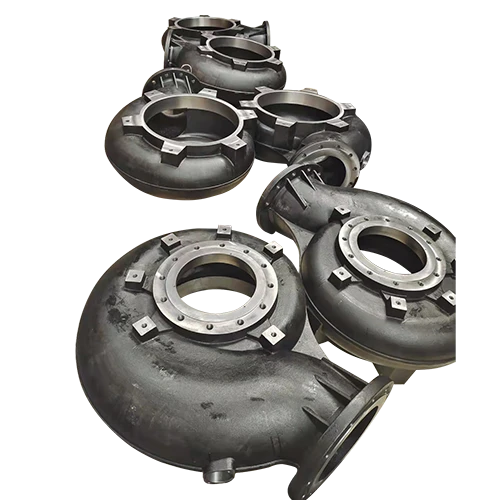
3. Sizing and Compatibility End caps must match the dimensions and specifications of the hydraulic system. This includes considerations related to the diameter, thickness, and threading of the cap.
4. Sealing Mechanisms To enhance leak prevention, hydraulic end caps often incorporate O-rings or gasket materials within their design. This ensures a tight and durable seal between the cap and the hydraulic cylinder.
Importance in Various Industries
Hydraulic end caps are essential in numerous sectors, including manufacturing, construction, agriculture, and automotive industries. For instance
- Manufacturing In manufacturing plants, hydraulic systems power machinery such as presses, which require robust end caps to hold hydraulic fluid under significant pressure during metal forming processes.
- Construction Construction equipment like excavators and loaders rely on hydraulic systems to function efficiently. Reliable end caps are critical for the safe operation and maintenance of these machines.
- Agriculture Agricultural machinery, including tractors and harvesters, use hydraulic systems for operations like lifting and tilting. Durable end caps ensure those hydraulic systems operate optimally during long hours in challenging environments.
Maintenance and Quality Assurance
To ensure the longevity and reliability of hydraulic end caps, regular maintenance and inspections are vital. Operators should routinely check for signs of wear, corrosion, or leaks. In addition, selecting high-quality end caps from reputable manufacturers can contribute significantly to the durability and efficiency of hydraulic systems.
Conclusion
In summary, hydraulic end caps are invaluable components of hydraulic systems, playing a pivotal role in sealing, structural integrity, and overall system performance. Their design and material considerations are critical to their effectiveness, making them essential for a wide range of industries. As the demand for hydraulic applications continues to grow, the importance of understanding and maintaining hydraulic end caps will remain a priority for engineers and operators alike. By ensuring these components are of high quality and well-maintained, businesses can safeguard the efficiency and safety of their hydraulic systems.
-
Choosing an Engine Storage Crate Cover for Material and EnvironmentNewsNov.23,2026
-
Cylinder Head Chamber Buyers: Check the Casting Specification FirstNewsNov.17,2026
-
How Impeller Casting Manufacturers Match Material, Process and EquipmentNewsNov.15,2026
-
Valve body vs. intake air chamber: Which casting fits your assembly?NewsNov.02,2026
-
Air Intake Chamber FAQ: Specifications, Ordering and Support QuestionsNewsOct.28,2026
-
Motorcycle Accessories FAQ: Specifications, Ordering and Support QuestionsNewsOct.24,2026










