English

Mobile:+86-311-8081-2683
Email:info@ydcastings.com
English
Heat Treatment Techniques for Enhancing the Properties of Aluminium Castings
Heat Treatment of Aluminium Castings
Heat treatment is a crucial process for enhancing the mechanical properties of aluminium castings. It involves controlled heating and cooling of the material to alter its microstructure, thus improving its strength, ductility, and overall performance. Aluminium castings, widely used in various industries, benefit significantly from heat treatment processes, making them suitable for demanding applications such as automotive, aerospace, and marine sectors.
Types of Aluminium Castings
Before delving into heat treatment, it is essential to understand the common types of aluminium castings. The most frequently used alloys in casting are the 2xx (copper), 3xx (silicon), and 4xx (silicon-magnesium) series, each offering unique properties suited for different applications. The 2xx series, for instance, boasts high strength but is less corrosion-resistant. Conversely, the 3xx series is known for its excellent fluidity and pressure tightness, making it ideal for complex shapes.
Heat Treatment Processes
The heat treatment processes for aluminium castings typically include solution heat treatment, aging, and sometimes annealing.
1. Solution Heat Treatment This involves heating the aluminium alloy to a temperature where the solute elements dissolve into the aluminum matrix. This temperature varies among different alloys but generally ranges from 480 to 540 degrees Celsius. This stage is crucial as it sets the foundation for enhanced mechanical properties by allowing the alloying elements to be uniformly distributed.
2. Quenching After solution heat treatment, the material undergoes rapid cooling, usually in water or oil. This step locks the dissolved elements in place, creating a supersaturated solid solution. Quenching must be performed quickly and efficiently to prevent the formation of undesirable phases that could weaken the casting.
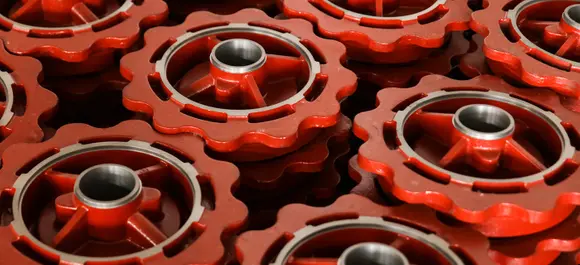
heat treatment of aluminium castings
3. Aging The final stage involves heating the alloy to a lower temperature, typically between 120 to 200 degrees Celsius, for a specific duration. Aging can be done naturally at room temperature or artificially by applying heat. During this process, fine precipitates form as the solute elements diffuse, leading to increased strength and hardness due to impediments to dislocation movement.
Benefits of Heat Treatment
The heat treatment of aluminium castings provides several advantages
- Enhanced Strength Through the aging process, the tensile strength of the castings can significantly improve, making them more suitable for structural applications. - Improved Corrosion Resistance Certain heat treatments can enhance the corrosion resistance of aluminium, prolonging the lifespan of components exposed to harsh environments.
- Decreased Residual Stress Heat treatment helps relieve residual stresses developed during the casting process, leading to improved dimensional stability.
- Tailored Properties By adjusting the heat treatment parameters such as temperature and time, manufacturers can tailor the mechanical properties of aluminium castings to meet specific requirements.
Conclusion
In summary, heat treatment is an essential procedure for optimising the performance of aluminium castings. By understanding the different heat treatment processes and how they affect the material properties, manufacturers can produce high-quality castings for a variety of demanding applications. As industries continue to seek lightweight and high-performance materials, the importance of effective heat treatment in aluminium casting will only grow, reinforcing its role in modern manufacturing.
-
Choosing an Engine Storage Crate Cover for Material and EnvironmentNewsNov.23,2026
-
Cylinder Head Chamber Buyers: Check the Casting Specification FirstNewsNov.17,2026
-
How Impeller Casting Manufacturers Match Material, Process and EquipmentNewsNov.15,2026
-
Valve body vs. intake air chamber: Which casting fits your assembly?NewsNov.02,2026
-
Air Intake Chamber FAQ: Specifications, Ordering and Support QuestionsNewsOct.28,2026
-
Motorcycle Accessories FAQ: Specifications, Ordering and Support QuestionsNewsOct.24,2026










