English

Mobile:+86-311-8081-2683
Email:info@ydcastings.com
English
metal casting products
Metal Casting Products An Overview
Metal casting is a manufacturing process that involves pouring molten metal into a mold to create various products that are then allowed to solidify. This age-old technique has been integral to numerous industries, ranging from automotive to construction, and continues to evolve with advancements in technology. Metal casting products are essential components in many applications and can range from simple fixtures to complex machinery parts. This article explores the significance, process, and applications of metal casting products.
The Significance of Metal Casting
Metal casting is a versatile method suitable for producing a wide variety of shapes and sizes. The ability to create intricate designs makes casting a preferred choice for manufacturers. The process is particularly beneficial for producing parts that require durability and strength, as metals like iron, aluminum, brass, and bronze are widely used in casting. Due to its ability to create detailed features, metal casting is often used when traditional machining would be too costly or impossible.
In addition to versatility, metal casting allows for efficient production of complex geometries that would otherwise require multiple manufacturing processes. This efficiency can lead to reduced manufacturing costs and shorter lead times, making it an attractive option for businesses looking to streamline their production processes.
The Metal Casting Process
The metal casting process begins with designing a mold. The mold can be made from various materials, including sand, metal, or ceramic, depending on the casting method being employed. The design phase is critical, as it determines the final product's shape, size, and surface finish.
Once the mold is prepared, molten metal is poured into it. The temperature of the molten metal varies based on the type of metal being used, but it generally ranges from 700°C to over 1,200°C. After the metal is poured, it cools and solidifies, taking on the shape of the mold.
metal casting products
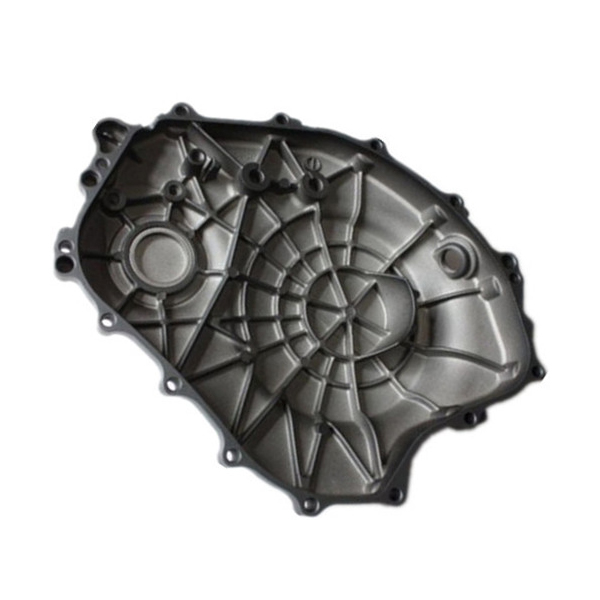
After cooling, the mold is removed, revealing the cast product
. Secondary processes, such as machining, finishing, or treatment, may be necessary to achieve the required specifications or surface conditions.Applications of Metal Casting Products
Metal casting products find applications in numerous fields. In the automotive industry, cast components such as engine blocks, transmission cases, and structural parts are prevalent due to their lightweight and high-strength characteristics. In the aerospace sector, cast aluminum and titanium components contribute to aircraft performance and fuel efficiency.
The construction industry also heavily relies on metal casting for structural elements like beams, girders, and decorative features. Additionally, various consumer products, including cookware, tools, and hardware fittings, benefit from casting processes.
Another vital area is the production of machinery and industrial equipment. Many machines use cast iron or steel components for parts that require high durability and wear resistance, such as gears, frames, and housings.
Conclusion
In conclusion, metal casting products play a critical role across diverse industries due to their versatility, efficiency, and ability to create complex shapes. As technology advances, the processes involved in metal casting continue to improve, leading to enhanced quality and production capabilities. From automotive to aerospace to manufacturing, metal casting remains a cornerstone of modern engineering, demonstrating its lasting importance in the world of manufacturing. As industries evolve, the demand for high-quality, precision-cast products will only continue to grow, ensuring that metal casting remains a vital aspect of production for years to come.
-
Choosing an Engine Storage Crate Cover for Material and EnvironmentNewsNov.23,2026
-
Cylinder Head Chamber Buyers: Check the Casting Specification FirstNewsNov.17,2026
-
How Impeller Casting Manufacturers Match Material, Process and EquipmentNewsNov.15,2026
-
Valve body vs. intake air chamber: Which casting fits your assembly?NewsNov.02,2026
-
Air Intake Chamber FAQ: Specifications, Ordering and Support QuestionsNewsOct.28,2026
-
Motorcycle Accessories FAQ: Specifications, Ordering and Support QuestionsNewsOct.24,2026










