English

Mobile:+86-311-8081-2683
Email:info@ydcastings.com
English
gi pipe end cap
Understanding GI Pipe End Caps Types, Uses, and Benefits
Galvanized Iron (GI) pipe end caps are essential components in piping systems, particularly in plumbing, construction, and industrial applications. As the name suggests, these are fittings used to seal the open ends of pipes, preventing fluid leaks and protecting the pipe from external elements. In this article, we will explore the different types of GI pipe end caps, their uses, and the benefits they offer.
What are GI Pipe End Caps?
GI pipe end caps are typically made of galvanized iron, which undergoes a process of coating with zinc to prevent corrosion and enhance durability. They come in various sizes and shapes, allowing them to fit different pipe diameters and specifications. The caps are designed to provide a permanent or temporary seal, depending on the requirements of the piping system.
Types of GI Pipe End Caps
1. Threaded End Caps These caps feature internal threads, allowing for easy attachment to threaded pipes. They are commonly used in plumbing applications where the ease of installation and removal is essential.
2. Welded End Caps These caps are welded directly onto the end of a pipe, creating a strong and permanent seal. Welded caps are often used in high-pressure systems where durability and leak prevention are critical.
3. Slip-On End Caps These caps slide over the end of the pipe and are secured using a coupling or adhesive. Slip-on caps are versatile and can be used in various applications, including those where frequent access to the pipe end is required.
4. Socket Weld End Caps Similar to slip-on caps, socket weld end caps fit over the pipe but are welded for a more robust seal. These are typically used in industrial applications that require a high level of pressure resistance.
Uses of GI Pipe End Caps
GI pipe end caps are used in a myriad of applications across different industries
- Plumbing In residential and commercial plumbing, end caps are used to seal off pipes that are no longer in use, preventing leaks and water wastage.
gi pipe end cap
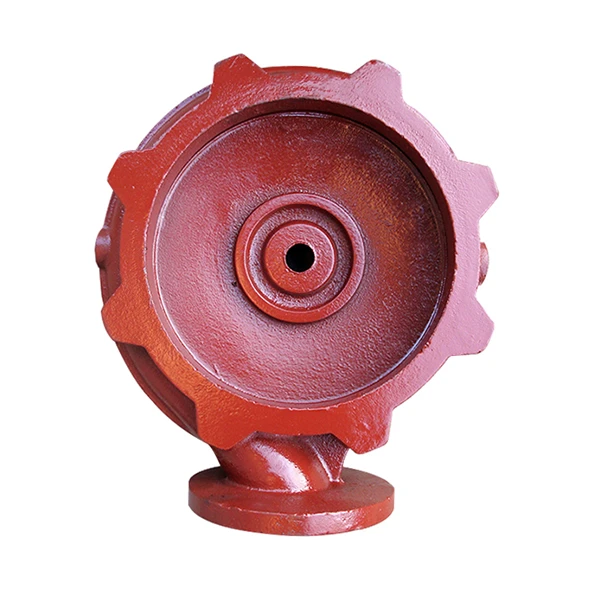
- Construction Builders utilize end caps to manage water flow, ensuring a secure and efficient plumbing system.
- Industrial Applications In factories and processing plants, GI pipe end caps help contain fluids and gases within piping systems, preventing spills and ensuring safety.
- HVAC Systems These caps are essential in heating, ventilation, and air conditioning systems, sealing ducts and preventing airflow loss.
Benefits of Using GI Pipe End Caps
1. Corrosion Resistance The galvanization process imparted on GI pipes provides a protective layer against moisture and corrosive substances, ensuring a longer lifespan for the piping system.
2. Leak Prevention Properly installed end caps can effectively seal pipe ends, preventing the loss of fluids and gases and reducing the risk of environmental contamination.
3. Easy Installation Depending on the type, GI pipe end caps can be quickly and easily installed or removed, allowing for efficient maintenance and repair of piping systems.
4. Cost-Effectiveness Compared to other materials and fittings, GI pipe end caps are budget-friendly and provide a reliable solution to sealing pipe ends, making them an economical choice for many projects.
5. Versatility Available in various sizes and types, GI pipe end caps are adaptable for use in different scenarios, from small home plumbing systems to large industrial installations.
Conclusion
GI pipe end caps play a crucial role in ensuring the integrity and efficiency of piping systems. With their corrosion-resistant properties, ease of installation, and variety of types available, they provide a dependable solution for sealing pipe ends in diverse applications. Understanding the different types and uses of GI pipe end caps is essential for anyone involved in construction, plumbing, or industrial work. By choosing the right end cap for your specific needs, you can enhance the longevity and reliability of your piping systems.
-
Choosing an Engine Storage Crate Cover for Material and EnvironmentNewsNov.23,2026
-
Cylinder Head Chamber Buyers: Check the Casting Specification FirstNewsNov.17,2026
-
How Impeller Casting Manufacturers Match Material, Process and EquipmentNewsNov.15,2026
-
Valve body vs. intake air chamber: Which casting fits your assembly?NewsNov.02,2026
-
Air Intake Chamber FAQ: Specifications, Ordering and Support QuestionsNewsOct.28,2026
-
Motorcycle Accessories FAQ: Specifications, Ordering and Support QuestionsNewsOct.24,2026










