English

Mobile:+86-311-8081-2683
Email:info@ydcastings.com
English
Exploring the Benefits of Connector Casting in Modern Manufacturing Techniques
The Art and Science of Connector Casting
Connector casting is a specialized process that plays a vital role in the manufacturing of electronic components. It involves creating precise connectors that ensure efficient electrical connections in various devices, from smartphones to industrial machinery. As technology continues to advance, the demand for high-quality connectors has never been greater, making casting techniques integral to the electronics industry.
At its core, connector casting primarily utilizes materials such as metal alloys and plastics to form intricate shapes that are essential for functionality. The casting process begins with designing a mold, which serves as the blueprint for the connector. This mold is often crafted using computer-aided design (CAD) software to ensure high precision and compatibility with existing components. The intricacies of these designs allow for multi-pin connectors that can accommodate various specifications, promoting versatility in applications.
Once the mold is ready, the chosen material is melted and poured into it, allowing it to take shape as it cools. For metal connectors, materials like aluminum and zinc are commonly used due to their excellent conductivity and strength. Conversely, thermoplastics may be employed for insulation purposes or when a lighter component is required. Each material comes with its own set of benefits and challenges, influencing the final product's performance and durability.
connector casting
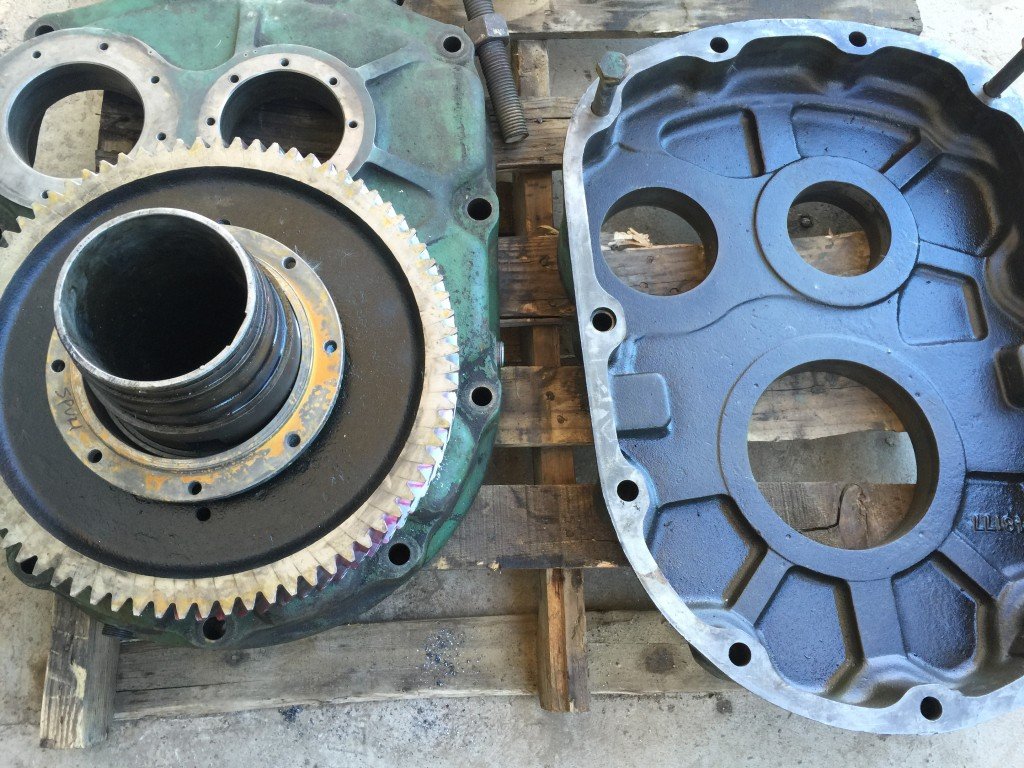
After the casting process, the connectors undergo several finishing steps, including trimming, polishing, and sometimes plating. These processes enhance the connectors’ appearance and improve their resistance to corrosion, wear, and electrical interference. Quality control is crucial in this stage, as even minor imperfections can lead to significant issues in the functionality of electronic devices.
As industries demand more compact and efficient connectors, advancements in casting technologies continue to evolve. Techniques like injection molding and die casting are becoming increasingly popular due to their ability to produce high volumes of connectors quickly and with minimal waste. Additionally, innovations in materials science are paving the way for new composite materials that promise even better performance.
In conclusion, connector casting is an essential process in modern electronics manufacturing. Its combination of artistry and engineering ensures that the connectors we rely on every day are both reliable and efficient. As technology advances, the techniques and materials used in connector casting will undoubtedly continue to evolve, catering to the ever-growing needs of the industry. Whether for consumer electronics or heavy industrial applications, the future of connector casting is poised to be as dynamic as the devices it supports.
-
Choosing an Engine Storage Crate Cover for Material and EnvironmentNewsNov.23,2026
-
Cylinder Head Chamber Buyers: Check the Casting Specification FirstNewsNov.17,2026
-
How Impeller Casting Manufacturers Match Material, Process and EquipmentNewsNov.15,2026
-
Valve body vs. intake air chamber: Which casting fits your assembly?NewsNov.02,2026
-
Air Intake Chamber FAQ: Specifications, Ordering and Support QuestionsNewsOct.28,2026
-
Motorcycle Accessories FAQ: Specifications, Ordering and Support QuestionsNewsOct.24,2026










