English

Mobile:+86-311-8081-2683
Email:info@ydcastings.com
English
Gas Line Termination Cap for Safe and Secure Pipeline Closure Solutions
Understanding Gas Line End Caps A Comprehensive Guide
Gas line end caps are critical components in various residential and commercial gas systems. These fittings play an essential role in ensuring safety, preventing leaks, and maintaining system integrity. Whether you are a homeowner looking to close off a gas line for safety reasons or a contractor working on gas installations, understanding gas line end caps is crucial. This article will delve into the definition, types, applications, installation, and safety considerations related to gas line end caps.
What is a Gas Line End Cap?
A gas line end cap is a fitting used to seal the end of a gas pipe. It provides a secure closure to the gas line, preventing gas leaks and protecting the line from external elements. End caps are usually made from durable materials, such as steel, brass, or plastic, and are designed to handle the pressure exerted by the gas inside the line. Their primary purpose is to provide a safe and secure means of terminating a gas line.
Types of Gas Line End Caps
There are several types of gas line end caps, each suited for different applications and materials
1. Metal End Caps Often made from stainless steel or brass, these caps are commonly used in high-pressure gas applications due to their durability and resistance to corrosion. 2. Plastic End Caps Typically used for lower pressure systems, plastic caps are lightweight and easy to install. They are ideal for temporary closures or situations where corrosion might be an issue. 3. Welded Caps In certain industrial applications, end caps can be welded directly to the pipe. This creates a permanent seal that is necessary for high-pressure environments.
4. Threaded Caps These caps screw onto the end of threaded pipes, allowing for easy installation and removal.
Applications of Gas Line End Caps
Gas line end caps are utilized across a variety of settings
gas line end cap
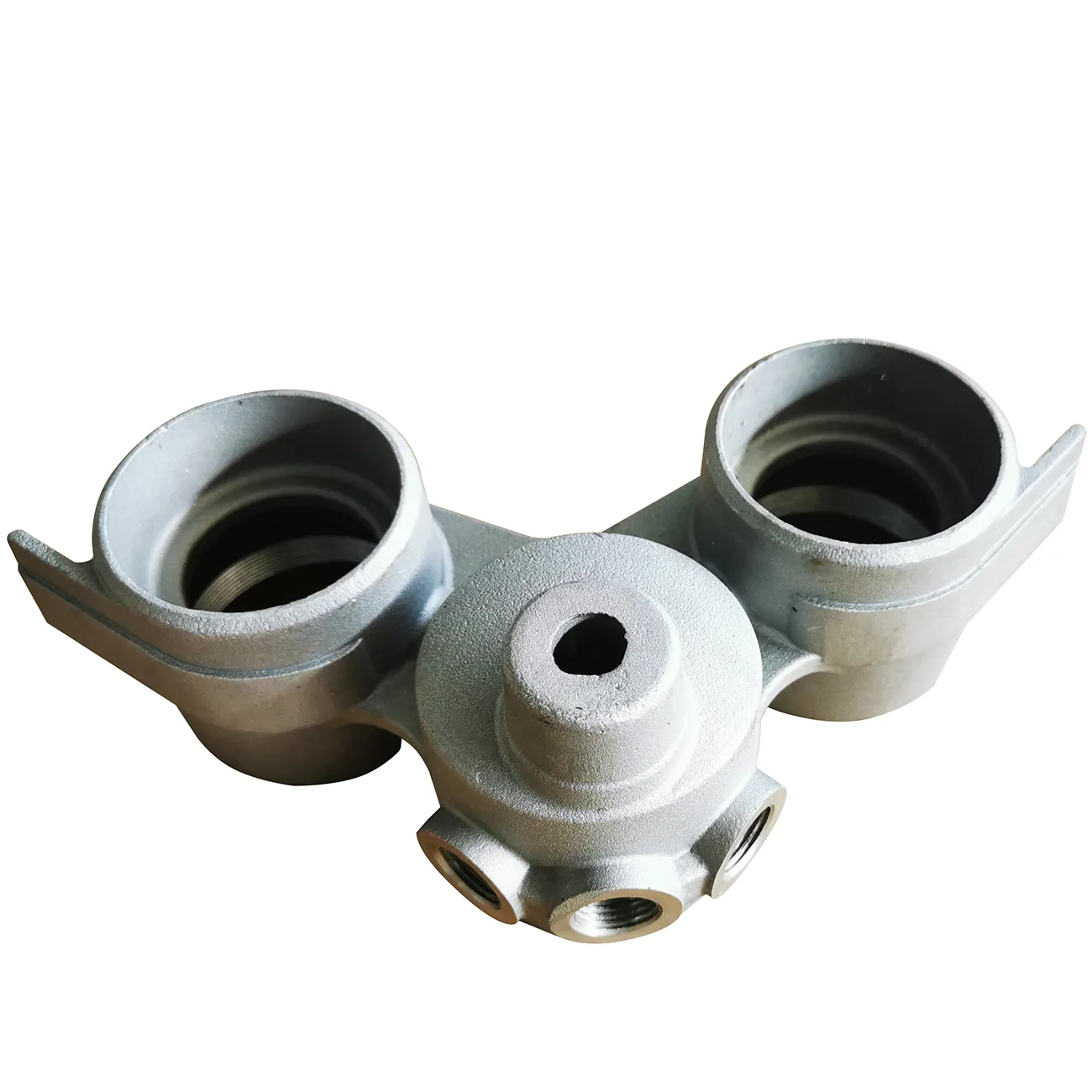
- Residential Use Homeowners may need to cap off a gas line when removing appliances like gas stoves or water heaters. This practice ensures that no gas escapes into living spaces, reducing the risk of accidents. - Commercial Installations In businesses that use gas for heating or cooking, end caps are vital for safety compliance and system maintenance. - Industrial Applications Factories and manufacturing plants often have extensive gas piping systems. End caps are used to manage the flow of gas and to safely terminate unused lines.
Installation of Gas Line End Caps
Installing a gas line end cap typically involves several steps
1. Turn Off the Gas Before beginning any work, ensure that the gas supply is turned off to prevent dangerous leaks. 2. Choose the Right Cap Select an end cap that matches the pipe size and type (metal or plastic). 3. Prepare the Pipe Clean the pipe's end to ensure a secure fit. Remove any dirt, debris, or contaminants. 4. Install the Cap Depending on the type of cap, either screw it onto the threaded pipe or fit it over the end and secure it in place. For welded caps, ensure that a professional welder performs the installation.
5. Check for Leaks Once the cap is installed, gradually turn the gas supply back on and use a leak detection solution to check for any potential leaks around the cap.
Safety Considerations
Safety is paramount when dealing with gas lines. Here are essential safety tips to consider
- Always Isolate the Gas Supply Ensure that the gas line is completely isolated before installing or removing end caps. - Use the Correct Fitting Using inappropriate caps or materials can lead to leaks and safety hazards. - Professional Assistance If in doubt, consult a licensed plumber or gas fitter to ensure compliance with local codes and regulations.
In conclusion, gas line end caps serve a vital role in maintaining the safety and integrity of gas systems. Proper installation and usage are critical in preventing leaks and ensuring that gas does not pose a risk to health and safety. By understanding the types, applications, and installation processes associated with gas line end caps, homeowners and professionals alike can contribute to safer gas system management.
-
Choosing an Engine Storage Crate Cover for Material and EnvironmentNewsNov.23,2026
-
Cylinder Head Chamber Buyers: Check the Casting Specification FirstNewsNov.17,2026
-
How Impeller Casting Manufacturers Match Material, Process and EquipmentNewsNov.15,2026
-
Valve body vs. intake air chamber: Which casting fits your assembly?NewsNov.02,2026
-
Air Intake Chamber FAQ: Specifications, Ordering and Support QuestionsNewsOct.28,2026
-
Motorcycle Accessories FAQ: Specifications, Ordering and Support QuestionsNewsOct.24,2026










