English

Mobile:+86-311-8081-2683
Email:info@ydcastings.com
English
Feb . 08, 2025 04:17
Back to list
cap for pipe end
When it comes to plumbing and industrial applications, finding the right fitting parts is crucial for ensuring the efficacy and durability of installations. One such indispensable component is the galvanized pipe end cap. Known for its robustness and corrosion resistance, the galvanized pipe end cap is a testament to engineering precision and practicality. This article delves into various aspects of these end caps, offering a comprehensive guide based on experience and expertise.
Another testament to their relevance and reliability stems from their energy efficiency contribution. By effectively sealing off unused pipe sections, they help maintain consistent pressure throughout the system, optimizing flow and reducing energy consumption. This efficiency can be particularly important in large-scale industrial settings where fluid dynamics can significantly impact operational costs. Trust in galvanized pipe end caps is further solidified by their historical track record. With a proven longevity, they have been used in countless projects globally, withstanding the test of time. Contractors and engineers often favor these components due to their predictable performance and reduced risk factors. The reassurance they offer is a major advantage for stakeholders looking to invest in durable infrastructure with minimal maintenance demands. The economic aspect of choosing galvanized pipe end caps also cannot be ignored. While the initial investment might be higher compared to non-galvanized options, the return on investment is realized through their extended lifecycle, reduced repair needs, and enhanced system reliability. In the long run, they present a cost-effective solution that aligns with sustainable practices by minimizing waste and resource consumption. In summary, galvanized pipe end caps are a critical component for anyone looking to ensure the durability, efficiency, and safety of their piping systems. Their resistance to corrosion, ease of installation, compliance with safety standards, and contribution to energy efficiency establish them as the authoritative choice in the industry. Real-world experience underscores their reliability, making them a favorite among professionals who demand quality and dependability in their infrastructure projects.
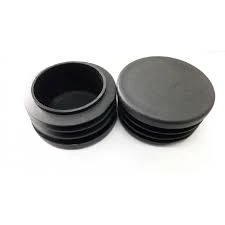
Another testament to their relevance and reliability stems from their energy efficiency contribution. By effectively sealing off unused pipe sections, they help maintain consistent pressure throughout the system, optimizing flow and reducing energy consumption. This efficiency can be particularly important in large-scale industrial settings where fluid dynamics can significantly impact operational costs. Trust in galvanized pipe end caps is further solidified by their historical track record. With a proven longevity, they have been used in countless projects globally, withstanding the test of time. Contractors and engineers often favor these components due to their predictable performance and reduced risk factors. The reassurance they offer is a major advantage for stakeholders looking to invest in durable infrastructure with minimal maintenance demands. The economic aspect of choosing galvanized pipe end caps also cannot be ignored. While the initial investment might be higher compared to non-galvanized options, the return on investment is realized through their extended lifecycle, reduced repair needs, and enhanced system reliability. In the long run, they present a cost-effective solution that aligns with sustainable practices by minimizing waste and resource consumption. In summary, galvanized pipe end caps are a critical component for anyone looking to ensure the durability, efficiency, and safety of their piping systems. Their resistance to corrosion, ease of installation, compliance with safety standards, and contribution to energy efficiency establish them as the authoritative choice in the industry. Real-world experience underscores their reliability, making them a favorite among professionals who demand quality and dependability in their infrastructure projects.
Next:
Latest news
-
Choosing an Engine Storage Crate Cover for Material and EnvironmentNewsNov.23,2026
-
Cylinder Head Chamber Buyers: Check the Casting Specification FirstNewsNov.17,2026
-
How Impeller Casting Manufacturers Match Material, Process and EquipmentNewsNov.15,2026
-
Valve body vs. intake air chamber: Which casting fits your assembly?NewsNov.02,2026
-
Air Intake Chamber FAQ: Specifications, Ordering and Support QuestionsNewsOct.28,2026
-
Motorcycle Accessories FAQ: Specifications, Ordering and Support QuestionsNewsOct.24,2026
Related PRODUCTS










