English

Mobile:+86-311-8081-2683
Email:info@ydcastings.com
English
Feb . 08, 2025 03:30
Back to list
female threaded end cap
In the precise world of plumbing and industrial piping, the importance of choosing the right components cannot be overstated. Among these components, the female threaded end cap stands out for its unique role and utility. As an experienced professional in the field of plumbing solutions and a seasoned SEO strategist, I'm here to guide you through the nuances of this essential product, offering insights that not only improve system performance but also ensure safety and cost-effectiveness.
Leveraging authoritative knowledge in the selection and application of female threaded end caps translates into performance reliability and operational efficiency. These components are not mere parts but critical elements that guarantee the safety and longevity of piping systems. Proper installation technique and regular maintenance further ensure that these end caps serve their purpose effectively over an extended period. Engaging with certified professionals for installing these components is advisable, as they bring a wealth of practical experience and skill. In today’s diverse marketplaces, a plethora of manufacturers offer female threaded end caps, but identifying trustworthy suppliers is imperative. Selecting products from reputable brands with a history of compliance with international standards like ISO or ASTM ensures that purchasers receive quality-assured products. These standards act as a hallmark of trust, indicating that the products are designed and tested to withstand the demands of real-world applications. The credibility of a brand can often be verified through customer reviews and testimonials, providing invaluable insights into product performance and durability. In conclusion, the female threaded end cap is more than just a functional fitting; it embodies a blend of design excellence, material science, and precise engineering. As water conservation and energy efficiency continue to dominate industry discussions, the importance of each component within a system gains increasing recognition. By making informed choices based on detailed experience and authoritative insights, industry professionals can ensure both the efficacy and sustainability of their piping systems. This knowledge underpins the successful application of female threaded end caps across industries, from residential plumbing to complex industrial systems, proving their indispensable role in modern engineering solutions.
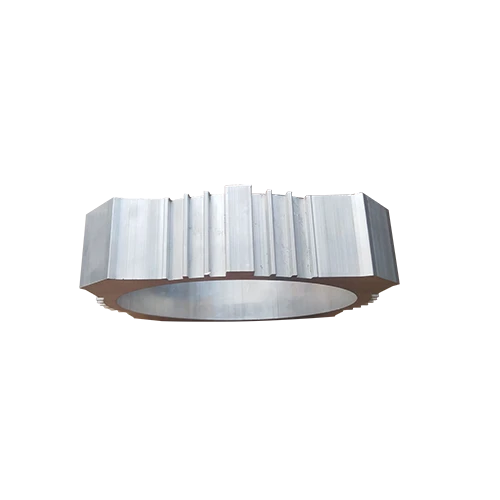
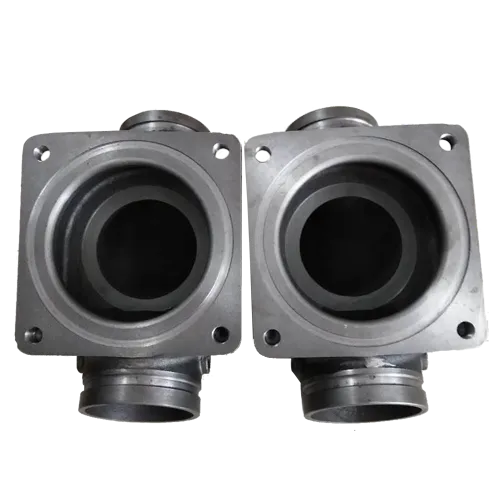
Leveraging authoritative knowledge in the selection and application of female threaded end caps translates into performance reliability and operational efficiency. These components are not mere parts but critical elements that guarantee the safety and longevity of piping systems. Proper installation technique and regular maintenance further ensure that these end caps serve their purpose effectively over an extended period. Engaging with certified professionals for installing these components is advisable, as they bring a wealth of practical experience and skill. In today’s diverse marketplaces, a plethora of manufacturers offer female threaded end caps, but identifying trustworthy suppliers is imperative. Selecting products from reputable brands with a history of compliance with international standards like ISO or ASTM ensures that purchasers receive quality-assured products. These standards act as a hallmark of trust, indicating that the products are designed and tested to withstand the demands of real-world applications. The credibility of a brand can often be verified through customer reviews and testimonials, providing invaluable insights into product performance and durability. In conclusion, the female threaded end cap is more than just a functional fitting; it embodies a blend of design excellence, material science, and precise engineering. As water conservation and energy efficiency continue to dominate industry discussions, the importance of each component within a system gains increasing recognition. By making informed choices based on detailed experience and authoritative insights, industry professionals can ensure both the efficacy and sustainability of their piping systems. This knowledge underpins the successful application of female threaded end caps across industries, from residential plumbing to complex industrial systems, proving their indispensable role in modern engineering solutions.
Next:
Latest news
-
Choosing an Engine Storage Crate Cover for Material and EnvironmentNewsNov.23,2026
-
Cylinder Head Chamber Buyers: Check the Casting Specification FirstNewsNov.17,2026
-
How Impeller Casting Manufacturers Match Material, Process and EquipmentNewsNov.15,2026
-
Valve body vs. intake air chamber: Which casting fits your assembly?NewsNov.02,2026
-
Air Intake Chamber FAQ: Specifications, Ordering and Support QuestionsNewsOct.28,2026
-
Motorcycle Accessories FAQ: Specifications, Ordering and Support QuestionsNewsOct.24,2026
Related PRODUCTS










