English

Mobile:+86-311-8081-2683
Email:info@ydcastings.com
English
Feb . 12, 2025 11:29
Back to list
cap for pipe end
Flexible conduit end caps are an essential component in various industries, providing a secure and protective closure to the open ends of flexible conduits. These end caps play a pivotal role in safeguarding electrical wires and cables, ensuring both safety and longevity. Drawing from years of experience and deep expertise in electrical components, we delve into the nuances of selecting the ideal flexible conduit end cap, underscoring its importance in both industrial and residential settings.
In terms of authoritativeness, industry-best practices underscore the importance of regular inspections and maintenance. Periodic checks ensure that end caps remain intact and continue to offer optimal protection. Furthermore, advanced end caps now come with features such as UV resistance and fire retardance, adding an extra layer of security for high-risk environments. These advancements reflect the ongoing innovations within the industry to meet evolving safety standards and regulations. The trustworthiness of flexible conduit end caps is backed by rigorous testing and compliance with international safety standards. Leading manufacturers adhere strictly to quality benchmarks, such as the ISO 9001 certification, ensuring that each product delivered meets predefined safety and reliability criteria. Trust is also built through transparent documentation, providing detailed specifications, installation instructions, and maintenance tips. Ultimately, selecting the right flexible conduit end cap involves a careful balance of material choice, application requirements, and compliance with safety standards. The protection these caps offer is indispensable, making them a critical component of any electrical conduit system. By ensuring the selection and installation of high-quality end caps, industries can protect their infrastructure investment, mitigate potential hazards, and ensure the uninterrupted operation of critical systems.
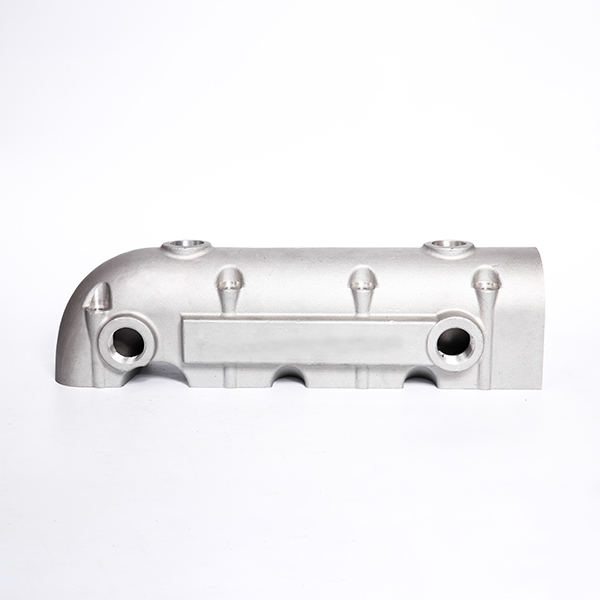
In terms of authoritativeness, industry-best practices underscore the importance of regular inspections and maintenance. Periodic checks ensure that end caps remain intact and continue to offer optimal protection. Furthermore, advanced end caps now come with features such as UV resistance and fire retardance, adding an extra layer of security for high-risk environments. These advancements reflect the ongoing innovations within the industry to meet evolving safety standards and regulations. The trustworthiness of flexible conduit end caps is backed by rigorous testing and compliance with international safety standards. Leading manufacturers adhere strictly to quality benchmarks, such as the ISO 9001 certification, ensuring that each product delivered meets predefined safety and reliability criteria. Trust is also built through transparent documentation, providing detailed specifications, installation instructions, and maintenance tips. Ultimately, selecting the right flexible conduit end cap involves a careful balance of material choice, application requirements, and compliance with safety standards. The protection these caps offer is indispensable, making them a critical component of any electrical conduit system. By ensuring the selection and installation of high-quality end caps, industries can protect their infrastructure investment, mitigate potential hazards, and ensure the uninterrupted operation of critical systems.
Next:
Latest news
-
Choosing an Engine Storage Crate Cover for Material and EnvironmentNewsNov.23,2026
-
Cylinder Head Chamber Buyers: Check the Casting Specification FirstNewsNov.17,2026
-
How Impeller Casting Manufacturers Match Material, Process and EquipmentNewsNov.15,2026
-
Valve body vs. intake air chamber: Which casting fits your assembly?NewsNov.02,2026
-
Air Intake Chamber FAQ: Specifications, Ordering and Support QuestionsNewsOct.28,2026
-
Motorcycle Accessories FAQ: Specifications, Ordering and Support QuestionsNewsOct.24,2026
Related PRODUCTS










