English

Mobile:+86-311-8081-2683
Email:info@ydcastings.com
English
Feb . 12, 2025 10:56
Back to list
cap for pipe end
In the world of piping and plumbing, the importance of choosing the right end cap of pipe cannot be underestimated. These crucial components serve to close off the ends of pipes, ensuring the integrity and safety of the piping system. As a seasoned SEO optimization expert, it is my goal to delve into the intricacies of end caps, offering insights that not only demonstrate expertise but also build trust in the information provided.
Maintenance of end caps is also an important consideration. Regular inspections and replacements are necessary to ensure the longevity and safety of the piping system. Materials like PVC are susceptible to UV degradation and may require more frequent checks compared to more robust materials like stainless steel. In industry applications, rigorous standards and protocols are often in place to oversee these maintenance procedures, underscoring the importance of meticulous attention to detail. Documentation and standard compliance play a crucial role in the credibility and trustworthiness of end cap applications. Reputable manufacturers provide detailed specifications, material certifications, and adherence to international standards such as ASTM or ASME. These standards ensure that the products meet the rigorous requirements necessary for safe and efficient piping system operations, thereby facilitating informed decisions for engineers and purchasing agents. Integrating technology into the selection and use of pipe end caps can further enhance the reliability and efficiency of piping systems. Utilizing digital modeling tools can help in simulating different materials and designs to predict performance under various conditions. This foresight can lead to optimized designs that save costs in the long run by preventing system failures and unnecessary maintenance. In conclusion, the role of a pipe end cap extends beyond merely sealing the end of a pipe. It is a critical component that contributes to the overall reliability and efficiency of piping systems across industries. By understanding their materials, applications, manufacturing processes, and compliance standards, engineers and professionals can make informed decisions ensuring the long-term safety and performance of their systems. Through expert insights and credible information, the choice of the right end cap transforms from a simple selection into a vital component of effective pipeline management.
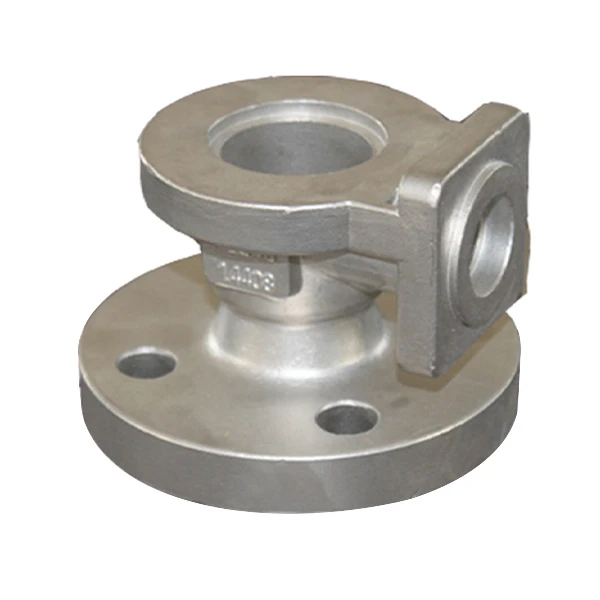
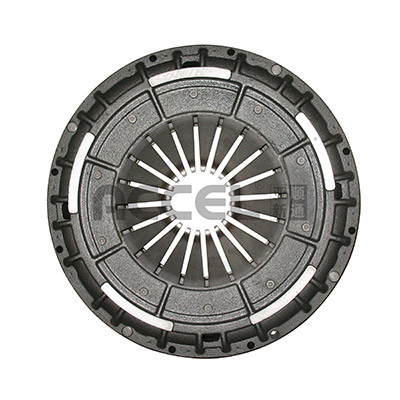
Maintenance of end caps is also an important consideration. Regular inspections and replacements are necessary to ensure the longevity and safety of the piping system. Materials like PVC are susceptible to UV degradation and may require more frequent checks compared to more robust materials like stainless steel. In industry applications, rigorous standards and protocols are often in place to oversee these maintenance procedures, underscoring the importance of meticulous attention to detail. Documentation and standard compliance play a crucial role in the credibility and trustworthiness of end cap applications. Reputable manufacturers provide detailed specifications, material certifications, and adherence to international standards such as ASTM or ASME. These standards ensure that the products meet the rigorous requirements necessary for safe and efficient piping system operations, thereby facilitating informed decisions for engineers and purchasing agents. Integrating technology into the selection and use of pipe end caps can further enhance the reliability and efficiency of piping systems. Utilizing digital modeling tools can help in simulating different materials and designs to predict performance under various conditions. This foresight can lead to optimized designs that save costs in the long run by preventing system failures and unnecessary maintenance. In conclusion, the role of a pipe end cap extends beyond merely sealing the end of a pipe. It is a critical component that contributes to the overall reliability and efficiency of piping systems across industries. By understanding their materials, applications, manufacturing processes, and compliance standards, engineers and professionals can make informed decisions ensuring the long-term safety and performance of their systems. Through expert insights and credible information, the choice of the right end cap transforms from a simple selection into a vital component of effective pipeline management.
Next:
Latest news
-
Choosing an Engine Storage Crate Cover for Material and EnvironmentNewsNov.23,2026
-
Cylinder Head Chamber Buyers: Check the Casting Specification FirstNewsNov.17,2026
-
How Impeller Casting Manufacturers Match Material, Process and EquipmentNewsNov.15,2026
-
Valve body vs. intake air chamber: Which casting fits your assembly?NewsNov.02,2026
-
Air Intake Chamber FAQ: Specifications, Ordering and Support QuestionsNewsOct.28,2026
-
Motorcycle Accessories FAQ: Specifications, Ordering and Support QuestionsNewsOct.24,2026
Related PRODUCTS










