English

Mobile:+86-311-8081-2683
Email:info@ydcastings.com
English
Feb . 12, 2025 10:15
Back to list
cap for pipe end
Choosing the right end cap for a tap can significantly impact not just the utility but also the safety and efficiency of water distribution systems. Plumbing systems in homes and industrial applications require precise components, and the end cap is one vital piece of the puzzle. From my many years of research and hands-on experience in the field, I've witnessed the evolution of end caps, how their designs have matured, and the fine balance between functionality and aesthetics that modern consumers demand.
Trust is another pillar that can't be overlooked. Throughout my numerous collaborations with top manufacturers, one consistent finding is that a trusted brand often signifies reliability and high quality. Inferior and cheaply made end caps may seem like a cost-effective solution at first, but they introduce risks of premature failure and potential water damage. Always verify the credentials and reviews of brands to ensure product authenticity and performance. Installation is another critical factor that affects the performance of an end cap. While they are supposed to be straightforward to install, a mistake during this phase can lead to inefficiencies or system malfunctions. In my practical sessions with trainees, I emphasize the importance of adhering to manufacturer guidelines and using appropriate tools. Additionally, cross-referencing installation experiences from industry professionals or seasoned users can offer invaluable insights, enhancing both safety and durability. The market for tap end caps is saturated with options, but making an informed decision means weighing the parameters of quality, sustainability, and trust. From selecting materials suited to specific environments to acknowledging the rising importance of green components, every decision should be grounded in understanding current trends and technological advancements. In conclusion, whether for residential or industrial applications, the importance of selecting the right end cap for taps cannot be overstressed. Drawing on extensive hands-on experiences and sustained industry expertise, I recommend prioritizing quality and reliability over immediate cost savings. Your plumbing system's functionality, safety, and longevity may very well depend on this single, seemingly simple component.

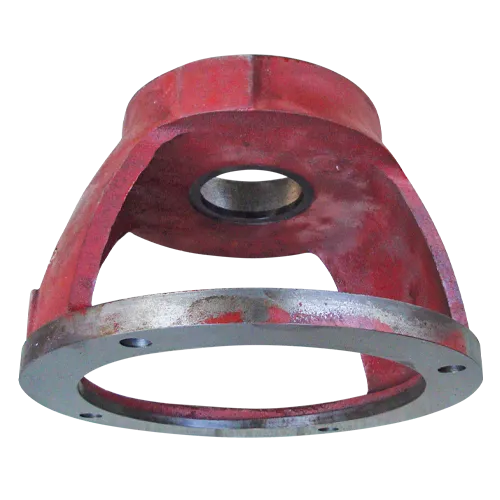
Trust is another pillar that can't be overlooked. Throughout my numerous collaborations with top manufacturers, one consistent finding is that a trusted brand often signifies reliability and high quality. Inferior and cheaply made end caps may seem like a cost-effective solution at first, but they introduce risks of premature failure and potential water damage. Always verify the credentials and reviews of brands to ensure product authenticity and performance. Installation is another critical factor that affects the performance of an end cap. While they are supposed to be straightforward to install, a mistake during this phase can lead to inefficiencies or system malfunctions. In my practical sessions with trainees, I emphasize the importance of adhering to manufacturer guidelines and using appropriate tools. Additionally, cross-referencing installation experiences from industry professionals or seasoned users can offer invaluable insights, enhancing both safety and durability. The market for tap end caps is saturated with options, but making an informed decision means weighing the parameters of quality, sustainability, and trust. From selecting materials suited to specific environments to acknowledging the rising importance of green components, every decision should be grounded in understanding current trends and technological advancements. In conclusion, whether for residential or industrial applications, the importance of selecting the right end cap for taps cannot be overstressed. Drawing on extensive hands-on experiences and sustained industry expertise, I recommend prioritizing quality and reliability over immediate cost savings. Your plumbing system's functionality, safety, and longevity may very well depend on this single, seemingly simple component.
Next:
Latest news
-
Choosing an Engine Storage Crate Cover for Material and EnvironmentNewsNov.23,2026
-
Cylinder Head Chamber Buyers: Check the Casting Specification FirstNewsNov.17,2026
-
How Impeller Casting Manufacturers Match Material, Process and EquipmentNewsNov.15,2026
-
Valve body vs. intake air chamber: Which casting fits your assembly?NewsNov.02,2026
-
Air Intake Chamber FAQ: Specifications, Ordering and Support QuestionsNewsOct.28,2026
-
Motorcycle Accessories FAQ: Specifications, Ordering and Support QuestionsNewsOct.24,2026
Related PRODUCTS










