English

Mobile:+86-311-8081-2683
Email:info@ydcastings.com
English
external water pump for car
The Importance of an External Water Pump for Cars A Comprehensive Guide
When it comes to maintaining the performance and longevity of your vehicle, many aspects come into play. One often overlooked yet crucial component is the water pump. For those who are unfamiliar, the water pump is an integral part of a car's cooling system, responsible for circulating coolant throughout the engine to prevent overheating. While the internal water pump is common in most vehicles, some car enthusiasts and professionals opt for an external water pump for various reasons. This article explores the benefits, installation considerations, and potential applications of external water pumps in automotive contexts.
Understanding External Water Pumps
An external water pump operates outside of the engine block, unlike standard internal pumps. This design choice brings about several advantages, making them a popular option among performance vehicle enthusiasts and those involved in custom builds. Typically, external water pumps are used in high-performance racing cars or modified street cars and can be powered by either electric or mechanical means.
Benefits of Using an External Water Pump
1. Improved Cooling Efficiency One of the significant advantages of external water pumps is enhanced cooling efficiency. By relocating the water pump externally, it's possible to optimize its placement for better coolant circulation. This can lead to more effective heat dissipation from the engine, especially under high-stress conditions like racing or towing.
2. Weight Reduction Internal water pumps can add considerable weight to the engine. With an external water pump, you can eliminate unnecessary components from the engine block, potentially leading to a lighter engine setup. This weight reduction can improve your vehicle's performance and responsiveness.
3. Design Flexibility External water pumps offer greater design flexibility for custom builds. They can be positioned to clear obstacles or accommodate larger engine components, making them ideal for creative enthusiasts who wish to modify their vehicle's architecture.
4. Ease of Maintenance With external water pumps, maintenance can be simpler and more accessible. Since the pump isn’t buried within the engine compartment, replacing or servicing it can often be done without the need for extensive disassembly.
5. Increased Reliability Performance engines often operate at higher temperatures and pressures. External water pumps can be designed to withstand these conditions better than standard pumps, reducing the likelihood of failure and enhancing overall engine reliability.
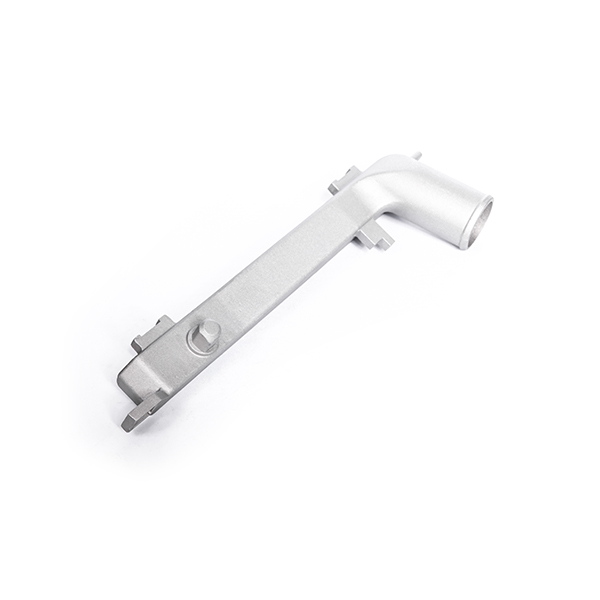
external water pump for car
Installation Considerations
While the advantages of external water pumps are compelling, potential buyers should consider a few key factors before installation
1. Compatibility Not all vehicles are well-suited for external water pumps. Prior to installation, it’s crucial to verify that your vehicle’s design can accommodate an external pump without requiring extensive modifications.
2. Cost External water pumps can vary significantly in price, depending on the brand and specifications. While they often provide performance benefits, the initial investment may be higher compared to traditional internal pumps.
3. Complexity of Installation Installing an external water pump can be more complex than a straightforward internal pump replacement. It may require custom brackets, hoses, and possibly even alterations to the vehicle’s cooling system. Therefore, professional installation is often recommended unless you are experienced in automotive modifications.
4. Operational Mechanism It's essential to choose the right type of external water pump (electric or mechanical) based on your vehicle’s needs. Electric pumps can provide on-demand cooling but may require adequate electrical support, while mechanical pumps rely on engine speed but can be more straightforward in terms of installation.
Applications in Different Settings
External water pumps are particularly popular in motorsports and performance racing. They can greatly enhance cooling capabilities during long races, where engine temperatures can soar. However, these pumps can also be valuable in specific commercial or recreational vehicles, especially those that frequently tow heavy loads or operate in extreme conditions.
Conclusion
In conclusion, external water pumps can significantly enhance the cooling efficiency and performance of a vehicle, particularly for modified or high-performance builds. While their installation may require more consideration and investment than traditional internal water pumps, the benefits often outweigh the drawbacks. For anyone considering modifications or enhancements to their vehicle’s cooling system, exploring the potential of an external water pump may be a worthwhile undertaking. As with any modification, thorough research and professional guidance are recommended to ensure optimal performance and reliability.
-
Choosing an Engine Storage Crate Cover for Material and EnvironmentNewsNov.23,2026
-
Cylinder Head Chamber Buyers: Check the Casting Specification FirstNewsNov.17,2026
-
How Impeller Casting Manufacturers Match Material, Process and EquipmentNewsNov.15,2026
-
Valve body vs. intake air chamber: Which casting fits your assembly?NewsNov.02,2026
-
Air Intake Chamber FAQ: Specifications, Ordering and Support QuestionsNewsOct.28,2026
-
Motorcycle Accessories FAQ: Specifications, Ordering and Support QuestionsNewsOct.24,2026










