English

Mobile:+86-311-8081-2683
Email:info@ydcastings.com
English
investment casting valve body
Investment Casting Valve Body A Comprehensive Overview
Investment casting, also known as lost-wax casting, is a highly precise manufacturing process that has gained significant traction in a variety of industries, particularly in the production of complex components such as valve bodies. The valve body is a critical part of many fluid control systems, serving as the housing for various valve components and playing a key role in regulating the flow and pressure of fluids.
What is Investment Casting?
Investment casting involves creating a wax model of the desired part, which is then coated with a ceramic shell. Once the shell is formed, the wax is melted away, leaving a precise mold for the molten metal to be poured into. This method allows for intricate designs and detailed features, making it ideal for producing valve bodies that require tight tolerances and complex geometries.
Advantages of Investment Casting Valve Bodies
1. Precision and Accuracy One of the most significant advantages of investment casting is the ability to produce intricate shapes and complex parts with tight tolerances. This is particularly beneficial for valve bodies, which often require precise dimensions to function effectively in fluid control applications.
2. Material Versatility Investment casting can accommodate a wide range of materials, including stainless steels, brass, bronze, and high-temperature alloys. This flexibility allows manufacturers to select the most suitable material for specific applications, such as corrosion resistance or strength.
3. Reduced Waste The investment casting process is efficient in terms of material use, generating less scrap compared to other manufacturing methods. The precision of the process also reduces the need for extensive machining, further minimizing material waste.
investment casting valve body
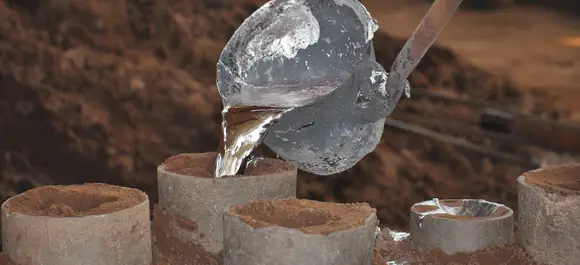
4. Complex Designs Investment casting is particularly advantageous for producing complex shapes that would be challenging or impossible to achieve through traditional machining. This capability allows for innovative designs that can enhance the functionality and performance of valve bodies.
5. Cost-Effectiveness for Large Runs While the initial tooling costs for investment casting can be higher, the process becomes cost-effective when producing large quantities. The speed and efficiency of the casting process enable manufacturers to achieve significant savings on labor and material over time.
Applications of Investment Casting Valve Bodies
Investment casting valve bodies are utilized in a variety of applications across multiple industries. In the oil and gas sector, valve bodies play an essential role in managing the flow of crude oil and natural gas, where robustness and reliability are critical. In the water treatment industry, these valve bodies help control the flow and pressure of water in various systems, ensuring safe and effective operations. Additionally, the automotive and aerospace industries leverage investment casting for valve bodies in engines and hydraulic systems, where precision and performance are paramount.
Challenges and Considerations
While investment casting offers many advantages, it is essential to consider the associated challenges. The complexity of the mold-making process and the need for skilled labor can lead to higher initial costs. Newer manufacturers must also invest in training and technology to ensure high-quality production. Furthermore, quality control is vital, as any defects in the casting can lead to significant operational issues down the line.
Conclusion
Investment casting valve bodies represent an essential component in many critical applications, offering precision, material versatility, and reduced waste. As industries continue to demand more complex and reliable components, the investment casting process will undoubtedly remain a pivotal manufacturing method, catering to the evolving needs of modern engineering. The combination of innovative design capabilities and material efficiency positions investment casting as a valuable solution for producing high-quality valve bodies that meet the rigorous standards of today’s industries.
-
Choosing an Engine Storage Crate Cover for Material and EnvironmentNewsNov.23,2026
-
Cylinder Head Chamber Buyers: Check the Casting Specification FirstNewsNov.17,2026
-
How Impeller Casting Manufacturers Match Material, Process and EquipmentNewsNov.15,2026
-
Valve body vs. intake air chamber: Which casting fits your assembly?NewsNov.02,2026
-
Air Intake Chamber FAQ: Specifications, Ordering and Support QuestionsNewsOct.28,2026
-
Motorcycle Accessories FAQ: Specifications, Ordering and Support QuestionsNewsOct.24,2026










