English

Mobile:+86-311-8081-2683
Email:info@ydcastings.com
English
Understanding the Role of Exhaust Manifolds in Engine Performance and Efficiency
Understanding the Exhaust Manifold in Engine Performance
The exhaust manifold is a crucial component of an internal combustion engine, playing a significant role in the overall performance and efficiency of the engine. It is responsible for directing exhaust gases from the engine cylinders to the exhaust system, where they are expelled into the atmosphere. The design, materials, and condition of the exhaust manifold can greatly influence engine performance, emissions, and durability.
Function of the Exhaust Manifold
At its core, the exhaust manifold collects the exhaust gases produced during combustion and channels them to the exhaust pipe. Each cylinder in an engine produces a series of exhaust pulses as the fuel is burned. The manifold gathers these pulses and combines them, allowing for a more efficient flow of gases. This efficient flow is vital for maintaining optimal engine performance and fuel efficiency.
In a typical configuration, the exhaust gases exit the engine at high temperatures and pressures. The manifold must withstand these harsh conditions while minimizing back pressure, which can hinder engine efficiency. A well-designed exhaust manifold will provide a smooth path for the gases, facilitating faster exit from the cylinders and improving overall engine responsiveness.
Types of Exhaust Manifolds
Exhaust manifolds come in various designs, including cast iron and stainless steel options. Cast iron manifolds are popular due to their durability and resistance to heat. However, they are heavier and can be prone to cracking under extreme thermal stress. Stainless steel manifolds, on the other hand, are lighter and offer superior corrosion resistance, but they can be more expensive and may not possess the same level of heat tolerance as cast iron.
exhaust manifold in engine
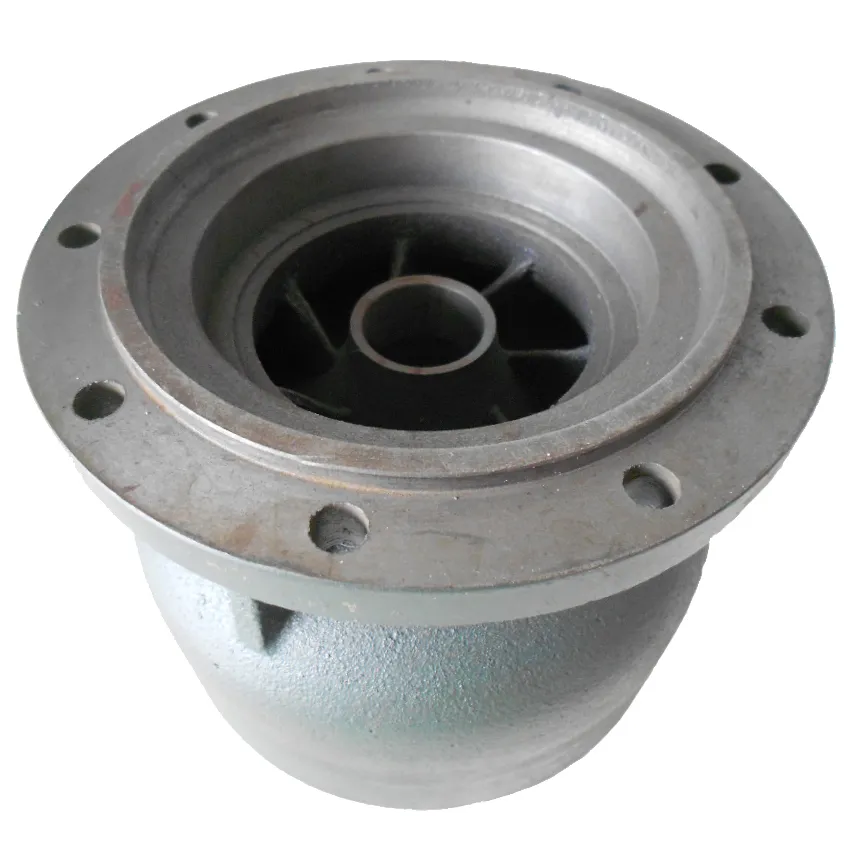
Some high-performance vehicles use tubular exhaust manifolds, which are designed for optimal flow and reduced weight
. These manifolds are often made from welded tubing and are engineered to minimize turbulence in the exhaust flow, enhancing engine power and efficiency.Impact on Performance
The design of the exhaust manifold plays a critical role in an engine's performance characteristics. A poorly designed or damaged manifold can lead to increased back pressure, reduced power output, and increased emissions. This is because excess back pressure can hinder the scavenging effect—where fresh air is drawn into the cylinder while exhaust gases are expelled.
Furthermore, a malfunctioning or cracked exhaust manifold can lead to exhaust leaks, which can affect engine performance and increase noise. In some cases, exhaust leaks can also result in the release of harmful gases into the cabin, posing a safety risk to passengers.
Maintenance and Inspection
Regular maintenance and inspection of the exhaust manifold are essential to ensure optimal engine performance. Drivers should be aware of symptoms such as unusual noises, a decrease in power, or a rise in fuel consumption, which may indicate issues with the manifold. Mechanics often recommend inspecting gaskets and connections regularly to prevent leaks.
In conclusion, the exhaust manifold is more than just a simple component in an engine—it is a vital part of the overall performance and efficiency of the vehicle. Understanding its function and the factors that influence its performance can help vehicle owners take proactive steps in maintenance and enhance their driving experience. Whether for everyday vehicles or high-performance sports cars, the exhaust manifold plays an indispensable role in engine health and efficiency.
-
Choosing an Engine Storage Crate Cover for Material and EnvironmentNewsNov.23,2026
-
Cylinder Head Chamber Buyers: Check the Casting Specification FirstNewsNov.17,2026
-
How Impeller Casting Manufacturers Match Material, Process and EquipmentNewsNov.15,2026
-
Valve body vs. intake air chamber: Which casting fits your assembly?NewsNov.02,2026
-
Air Intake Chamber FAQ: Specifications, Ordering and Support QuestionsNewsOct.28,2026
-
Motorcycle Accessories FAQ: Specifications, Ordering and Support QuestionsNewsOct.24,2026










