English

Mobile:+86-311-8081-2683
Email:info@ydcastings.com
English
Aluminium Ingot Production and Casting Techniques for Optimal Quality and Efficiency
Aluminium Ingot Casting An Overview
Aluminium has become one of the most ubiquitous materials in modern manufacturing due to its lightweight properties, corrosion resistance, and excellent conductivity. Among the various processes utilized to produce aluminium products, ingot casting plays a crucial role. Ingot casting is the primary method for producing raw aluminium materials that are further processed into various shapes and forms, including sheets, extrusions, and other components. This article provides an overview of aluminium ingot casting, its processes, advantages, and applications.
The Casting Process
The aluminium ingot casting process typically begins with the melting of raw aluminium scrap or primary aluminium in a furnace. The melting temperature for aluminium ranges from 660 to 700 degrees Celsius. To enhance properties and remove impurities, various alloying elements such as silicon, copper, magnesium, and zinc may be added during the melting phase.
Once the aluminium is molten, it is poured into molds to form ingots. The molds can be made from various materials, including steel, iron, or graphite. The design of the ingot mold is essential, as it affects the cooling rate and the final properties of the ingot. Common shapes for ingots include rectangular blocks, which facilitate easy handling and transportation.
After pouring, the molten aluminium cools and solidifies in the molds. This cooling process must be carefully controlled to ensure uniformity and to prevent defects, such as porosity or cracks. Once the ingots are cooled, they are removed from the molds and may undergo additional treatments, such as homogenization, to improve mechanical properties and reduce segregation.
Advantages of Aluminium Ingot Casting
aluminium ingot casting
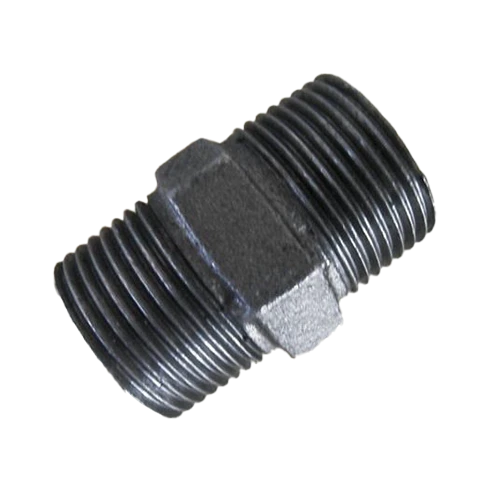
Aluminium ingot casting boasts several advantages that make it a preferred method for producing raw aluminium materials. Firstly, the process allows for high production rates, making it efficient for large-scale manufacturing. Secondly, the casting of aluminium alloys enables manufacturers to tailor the properties of the ingots according to specific requirements, enhancing performance for various applications.
Additionally, ingot casting produces high-quality aluminium with excellent surface finishes. The relatively simple nature of the process means lower energy consumption compared to other production methods, making it more environmentally friendly. Furthermore, as aluminium is 100% recyclable, ingot casting can incorporate a significant proportion of recycled content, contributing to sustainable manufacturing practices.
Applications of Aluminium Ingots
Aluminium ingots serve as the foundation for a wide variety of applications across multiple industries. After casting, these ingots are often remelted and converted into finished products through processes like rolling and extrusion. The automotive industry heavily relies on aluminium for engine components, wheels, and structural elements due to its lightweight nature that aids fuel efficiency.
In the aerospace sector, aluminium ingots are transformed into aircraft components, where strength-to-weight ratios are critical. The construction industry also benefits from aluminium, utilizing it for windows, doors, and structural frames. Moreover, the electrical industry uses aluminium due to its excellent conductivity, particularly in wiring and transformers.
Conclusion
In summary, aluminium ingot casting is a vital process in the production of aluminium materials, playing a pivotal role in sectors that require lightweight, durable, and corrosion-resistant materials. The combination of effective production techniques, adaptability in alloying, and the material's inherent properties drive the demand for aluminium ingots across various industries. As technological advancements and sustainable practices continue to evolve, the importance of aluminium ingot casting is expected to grow, further solidifying its role in modern manufacturing.
-
Choosing an Engine Storage Crate Cover for Material and EnvironmentNewsNov.23,2026
-
Cylinder Head Chamber Buyers: Check the Casting Specification FirstNewsNov.17,2026
-
How Impeller Casting Manufacturers Match Material, Process and EquipmentNewsNov.15,2026
-
Valve body vs. intake air chamber: Which casting fits your assembly?NewsNov.02,2026
-
Air Intake Chamber FAQ: Specifications, Ordering and Support QuestionsNewsOct.28,2026
-
Motorcycle Accessories FAQ: Specifications, Ordering and Support QuestionsNewsOct.24,2026










