English

Mobile:+86-311-8081-2683
Email:info@ydcastings.com
English
end caps for steel tubing
End Caps for Steel Tubing An Essential Component in Various Applications
When it comes to steel tubing, the focus is often on its strength and durability. However, an essential component that should not be overlooked is the end cap. End caps for steel tubing serve multiple purposes, ranging from providing structural integrity to enhancing safety. This article delves into the significance, types, applications, and manufacturing processes of end caps for steel tubing.
Importance of End Caps
End caps are fittings designed to seal the ends of steel pipes or tubes. They play a crucial role in various applications, including construction, plumbing, and manufacturing. One of the primary purposes of end caps is to prevent contamination and ingress of debris, ensuring that the internal environment of the tube remains clean and functioning effectively. Moreover, they provide a protective barrier against corrosion and physical damage, extending the life of the tubing.
Another significant benefit of end caps is their ability to enhance the structural integrity of steel tubing. By providing a secure closure, they help maintain the shape and eliminate the risk of deformation. This is especially important in applications where the tubing is subjected to high pressure or weight loads. End caps also aid in the insulation of piping systems, enabling more efficient temperature regulation in applications involving heating or cooling.
Types of End Caps
End caps for steel tubing come in a variety of shapes, sizes, and materials, each designed for specific applications. Here are some common types of end caps
1. Welded End Caps These caps are attached to the tubing via welding, providing a strong and permanent seal. They are often used in high-pressure applications or when a robust closure is necessary.
2. Threaded End Caps These caps have internal threads that allow them to be screwed onto the end of the pipe. They are easier to install and remove, making them ideal for applications where maintenance access is needed.
3. Slip-on End Caps Designed to slip over the end of the tubing, these caps are often used in non-pressurized systems. They provide a quick and easy solution for capping off unused pipes.
4. Plastic End Caps In some cases, plastic end caps offer a lightweight and cost-effective alternative to metal caps. They are commonly used in less demanding applications where weight reduction is a priority.
end caps for steel tubing
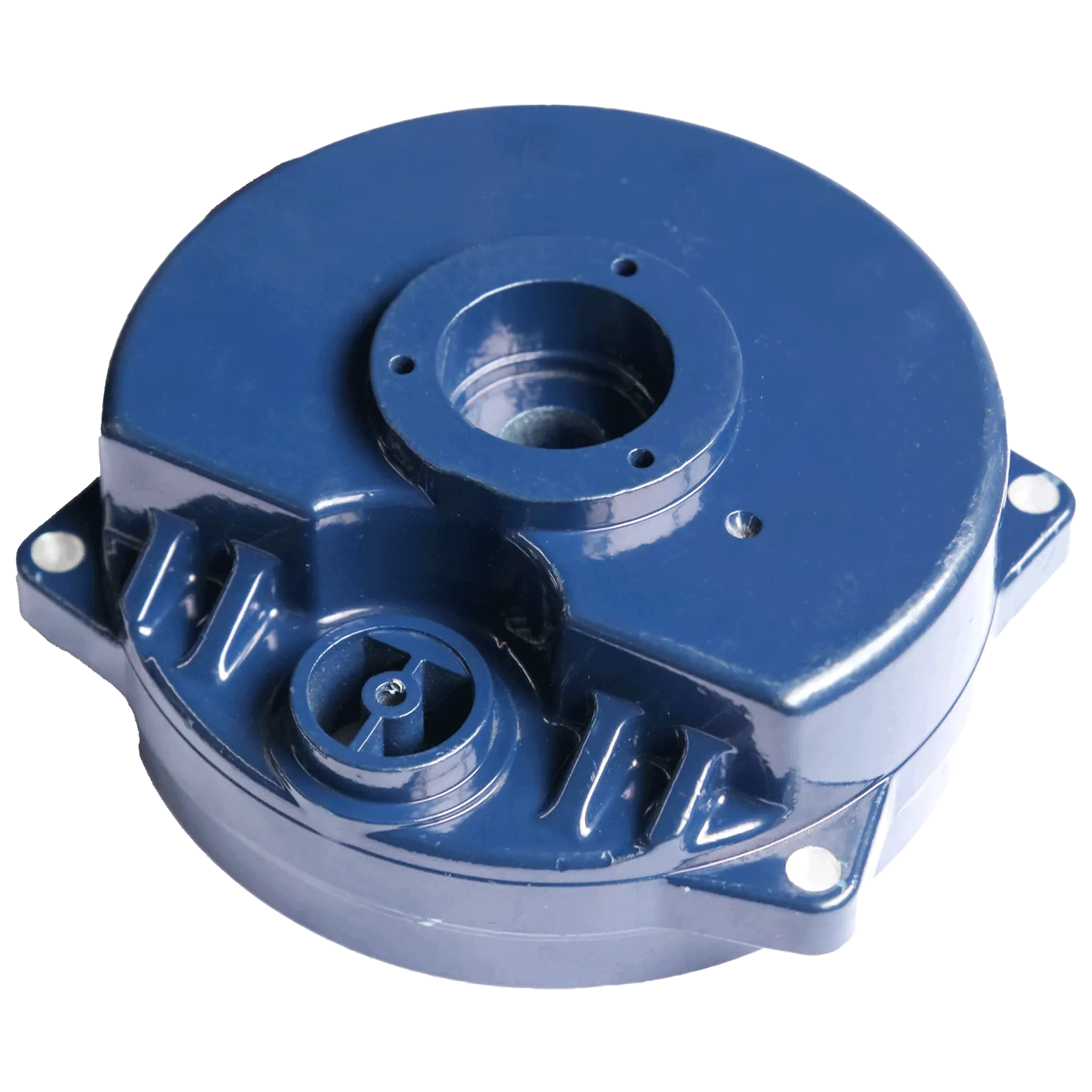
5. Custom End Caps For specialized applications, custom end caps can be fabricated to meet unique requirements, including specific dimensions, materials, or design features.
Applications of End Caps
End caps are utilized across a broad spectrum of industries and applications. In construction, they are often found in handrails, structural supports, and fencing. End caps enhance both the aesthetic quality and the safety of these installations.
In the plumbing industry, they play a critical role in water supply and waste systems by preventing leaks and ensuring system integrity. Similarly, in the oil and gas sector, end caps are used to secure pipelines, providing essential protection during transit and storage.
Additionally, end caps find use in manufacturing, particularly in the production of machinery and equipment. In these contexts, they contribute to the overall functionality and safety of the equipment by ensuring that piping systems operate effectively without external interferences.
Manufacturing Processes
The manufacturing of end caps typically involves processes such as casting, forging, or machining, depending on the material and specifications required. Quality control measures are paramount to ensure that the end caps meet industry standards and specifications, particularly for high-pressure applications.
Materials used for end caps can vary widely, including carbon steel, stainless steel, and various alloys, selected based on the intended environment and requirements. For instance, stainless steel end caps offer superior corrosion resistance, making them ideal for outdoor or marine applications.
Conclusion
End caps for steel tubing may seem like simple components, but their importance in various applications cannot be understated. They provide essential protection, enhance structural integrity, and contribute to the functionality of piping systems across multiple industries. With a variety of types and manufacturing options available, end caps are a vital part of maintaining the efficiency and longevity of steel tubing installations. Understanding their significance and applications can aid in making informed choices when selecting and utilizing steel tubing in various projects.
-
Choosing an Engine Storage Crate Cover for Material and EnvironmentNewsNov.23,2026
-
Cylinder Head Chamber Buyers: Check the Casting Specification FirstNewsNov.17,2026
-
How Impeller Casting Manufacturers Match Material, Process and EquipmentNewsNov.15,2026
-
Valve body vs. intake air chamber: Which casting fits your assembly?NewsNov.02,2026
-
Air Intake Chamber FAQ: Specifications, Ordering and Support QuestionsNewsOct.28,2026
-
Motorcycle Accessories FAQ: Specifications, Ordering and Support QuestionsNewsOct.24,2026










