English

Mobile:+86-311-8081-2683
Email:info@ydcastings.com
English
Understanding the Importance of an Automobile Oil Pan for Engine Performance and Maintenance
Understanding the Automobile Oil Pan Its Importance and Maintenance
The oil pan is a crucial component of an automobile’s engine, playing a vital role in the overall functionality and longevity of the vehicle. It serves as the reservoir for engine oil, which is essential for lubricating the engine components, reducing friction, and ensuring smooth operation. In this article, we will explore the construction, functions, signs of oil pan problems, and maintenance tips for the oil pan.
What is an Oil Pan?
The oil pan, often made of steel or aluminum, is located at the bottom of the engine. It is specifically designed to hold a specific amount of engine oil, which is pumped throughout the engine by the oil pump. The design of the oil pan also incorporates a dipstick, which allows for easy monitoring of the oil level. Some modern vehicles may even have a more complex oil management system, but the fundamental purpose of the oil pan remains the same.
Functions of the Oil Pan
1. Oil Reservoir The primary function of the oil pan is to serve as a reservoir for engine oil. A well-filled oil pan ensures that the engine has an adequate supply of oil for lubrication at all times. 2. Cooling Mechanism As the engine operates, it generates heat. The oil within the oil pan helps to absorb some of this heat, contributing to the cooling of the engine. Oil circulates through the engine, picking up excess heat and carrying it to the oil pan, where it can dissipate.
3. Oil Filtering The oil pan often has a magnet attached to its bottom to attract metallic debris that can accumulate over time. This helps to keep the oil relatively clean and minimizes wear on engine components.
Signs of Oil Pan Problems
An oil pan can encounter several issues over time. Recognizing the signs of oil pan problems early can help prevent more significant engine damage. Here are some common indicators
1. Oil Leaks One of the most common signs of oil pan problems is the presence of oil leaks under the vehicle. If you notice oil spots or puddles on the ground where your car is parked, it may indicate that the oil pan is damaged or that the gasket is failing.
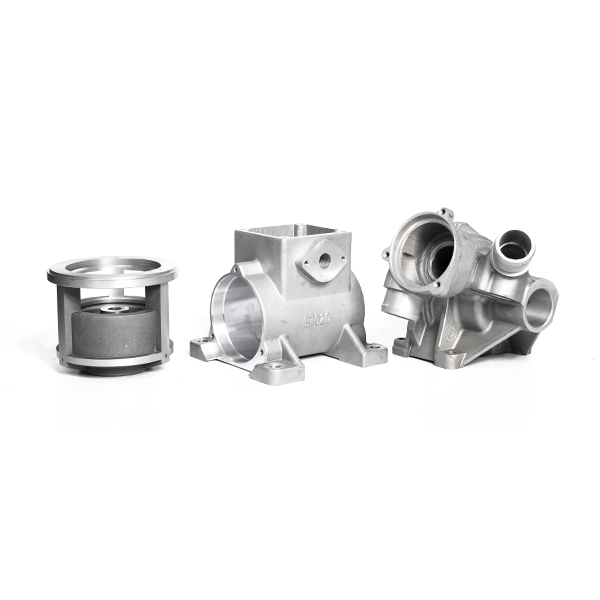
automobile oil pan
2. Low Oil Levels If you frequently find your oil levels dropping, it could signify a leak from the oil pan. Maintaining low oil levels can lead to severe engine damage, so it's essential to address any leaks promptly.
3. Unusual Noises A malfunctioning oil pan may fail to maintain the necessary oil pressure. This lack of lubrication can cause unusual noises from the engine, such as knocking or ticking sounds, indicating potential damage.
Maintenance Tips for the Oil Pan
Maintaining an oil pan is crucial for the health of your engine. Here are some tips to ensure its longevity
1. Regular Oil Changes Frequent oil changes not only keep the engine clean but also prevent dirt and sludge buildup in the oil pan. Follow the manufacturer's recommendations for oil change intervals.
2. Inspect for Leaks Periodically check for leaks around the oil pan and its gasket. If you notice any signs of oil seeping out, it’s crucial to have it inspected and repaired.
3. Monitor Oil Levels Regularly check the oil level using the dipstick. Keeping the oil level within the recommended range ensures optimal engine performance and minimizes wear.
4. Use Quality Oil Choose high-quality engine oil that adheres to your manufacturer’s specifications. Using the correct viscosity oil helps in reducing friction and maintaining optimal cooling.
In conclusion, the oil pan is an indispensable component that plays a significant role in the functionality of an automobile engine. By understanding its importance and recognizing the signs of issues, car owners can take proactive measures to maintain their vehicles, ensuring they operate smoothly and efficiently for years to come. Regular maintenance and prompt attention to issues will not only extend the life of the oil pan but also the engine itself, ultimately contributing to a reliable and safe driving experience.
-
Choosing an Engine Storage Crate Cover for Material and EnvironmentNewsNov.23,2026
-
Cylinder Head Chamber Buyers: Check the Casting Specification FirstNewsNov.17,2026
-
How Impeller Casting Manufacturers Match Material, Process and EquipmentNewsNov.15,2026
-
Valve body vs. intake air chamber: Which casting fits your assembly?NewsNov.02,2026
-
Air Intake Chamber FAQ: Specifications, Ordering and Support QuestionsNewsOct.28,2026
-
Motorcycle Accessories FAQ: Specifications, Ordering and Support QuestionsNewsOct.24,2026










