English

Mobile:+86-311-8081-2683
Email:info@ydcastings.com
English
Feb . 14, 2025 22:27
Back to list
electric impeller
The innovative design of the electric impeller has emerged as a transformative force across various industries. This cutting-edge technology redefines efficiency, blending expertise and engineering ingenuity to deliver unparalleled performance. Designed by seasoned professionals, the electric impeller stands as a testament to technological advancement, offering a deep dive into the mechanics that promise to revolutionize fluid dynamics.
In terms of expertise, the design and production of electric impellers are backed by rigorous research and development. Engineers utilize advanced computational fluid dynamics (CFD) simulations during the design phase, optimizing blade shapes and motor configurations for peak performance. This precision engineering is mirrored in real-world performance, where electric impellers maintain stable operations even in variable load conditions, a testament to their sophisticated control systems. The authoritative appeal of electric impellers is further bolstered by endorsements from key industry figures and adoption by leading corporations. Their use in flagship projects, such as large-scale municipal water treatments and high-efficiency HVAC systems in skyscrapers, attests to their reliability and effectiveness. Such high-profile deployments underscore the industry's trust in their capabilities and corroborate their status as state-of-the-art solutions. Trustworthiness is crucial in any technological innovation, and electric impellers earn this through consistent performance and tangible benefits. Case studies reflect significant improvements in system uptime and maintenance costs post-implementation. Operators appreciate the user-friendly interfaces that accompany these systems, which simplify monitoring and adjustments, reducing the need for specialized training. Moreover, regulatory bodies have begun to recognize the environmental benefits of electric impellers, with certifications and incentives promoting their adoption. This official acknowledgment not only validates their ecological advantages but also supports businesses in achieving sustainability targets. In summary, the electric impeller represents a pinnacle of modern engineering, intertwining experience, expertise, authority, and trust to redefine standards in fluid dynamics. Its efficient design not only enhances operational performance but also aligns with contemporary demands for sustainability and cost-effectiveness. As industries continue to pivot towards greener solutions, the electric impeller stands out as an exemplary model, promising to influence future innovations and drive forward-thinking practices. Whether in industrial, commercial, or residential applications, the electric impeller is poised to leave a lasting impact, propelling technological advancement while safeguarding our planet's resources.
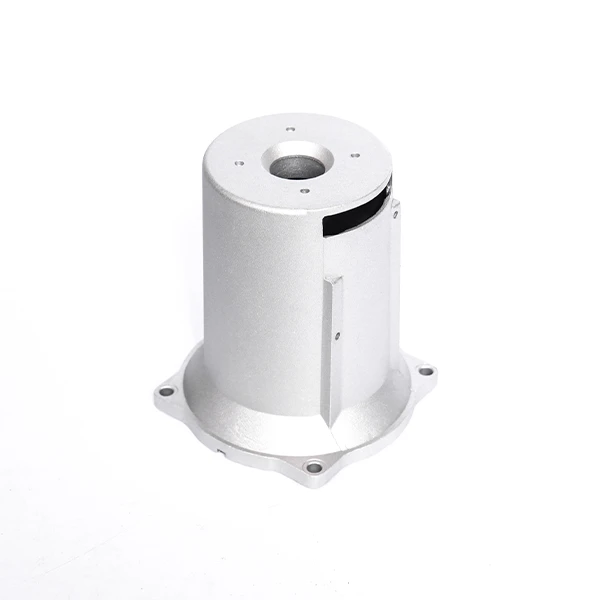
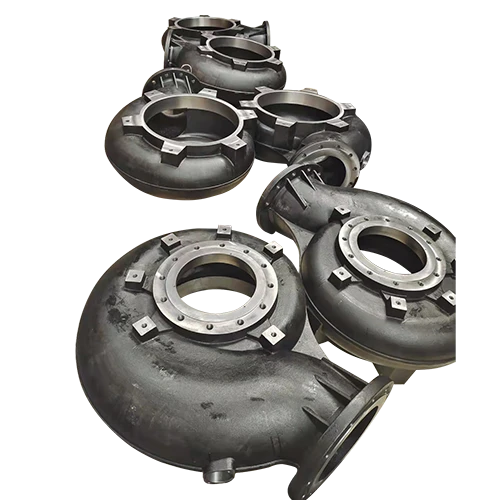
In terms of expertise, the design and production of electric impellers are backed by rigorous research and development. Engineers utilize advanced computational fluid dynamics (CFD) simulations during the design phase, optimizing blade shapes and motor configurations for peak performance. This precision engineering is mirrored in real-world performance, where electric impellers maintain stable operations even in variable load conditions, a testament to their sophisticated control systems. The authoritative appeal of electric impellers is further bolstered by endorsements from key industry figures and adoption by leading corporations. Their use in flagship projects, such as large-scale municipal water treatments and high-efficiency HVAC systems in skyscrapers, attests to their reliability and effectiveness. Such high-profile deployments underscore the industry's trust in their capabilities and corroborate their status as state-of-the-art solutions. Trustworthiness is crucial in any technological innovation, and electric impellers earn this through consistent performance and tangible benefits. Case studies reflect significant improvements in system uptime and maintenance costs post-implementation. Operators appreciate the user-friendly interfaces that accompany these systems, which simplify monitoring and adjustments, reducing the need for specialized training. Moreover, regulatory bodies have begun to recognize the environmental benefits of electric impellers, with certifications and incentives promoting their adoption. This official acknowledgment not only validates their ecological advantages but also supports businesses in achieving sustainability targets. In summary, the electric impeller represents a pinnacle of modern engineering, intertwining experience, expertise, authority, and trust to redefine standards in fluid dynamics. Its efficient design not only enhances operational performance but also aligns with contemporary demands for sustainability and cost-effectiveness. As industries continue to pivot towards greener solutions, the electric impeller stands out as an exemplary model, promising to influence future innovations and drive forward-thinking practices. Whether in industrial, commercial, or residential applications, the electric impeller is poised to leave a lasting impact, propelling technological advancement while safeguarding our planet's resources.
Latest news
-
Choosing an Engine Storage Crate Cover for Material and EnvironmentNewsNov.23,2026
-
Cylinder Head Chamber Buyers: Check the Casting Specification FirstNewsNov.17,2026
-
How Impeller Casting Manufacturers Match Material, Process and EquipmentNewsNov.15,2026
-
Valve body vs. intake air chamber: Which casting fits your assembly?NewsNov.02,2026
-
Air Intake Chamber FAQ: Specifications, Ordering and Support QuestionsNewsOct.28,2026
-
Motorcycle Accessories FAQ: Specifications, Ordering and Support QuestionsNewsOct.24,2026
Related PRODUCTS










