English

Mobile:+86-311-8081-2683
Email:info@ydcastings.com
English
Feb . 14, 2025 21:59
Back to list
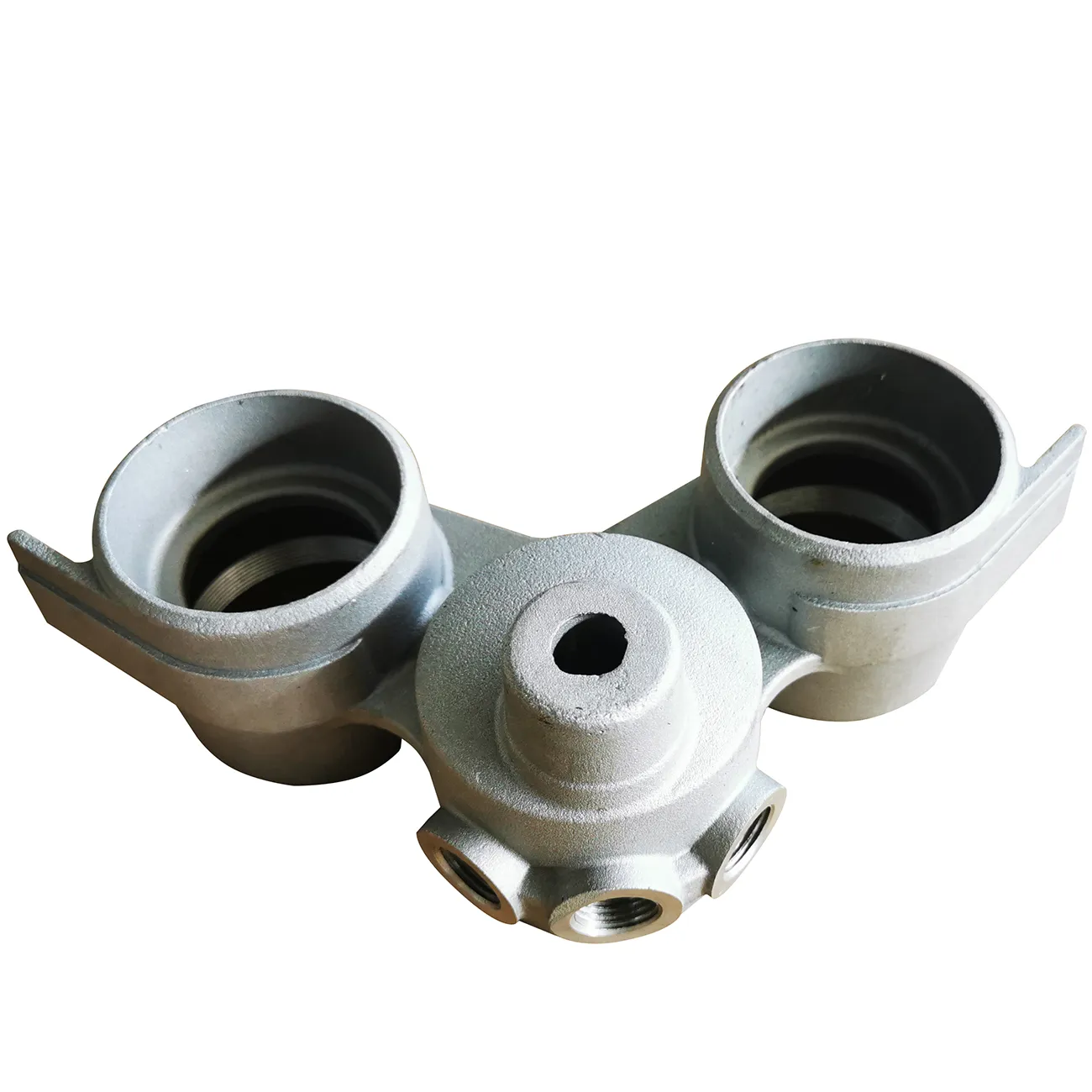
Water pump shell, worm case
A dust collector blower impeller is a critical component in industrial settings where air quality and cleanliness are of utmost importance. Ensuring effectiveness and efficiency in dust collection systems, this element plays a pivotal role in maintaining air purity and enhancing workplace safety.
The installation process of a dust collector blower impeller is another aspect where expertise and experience come into play. Correct installation ensures optimal performance and safety. Professionals emphasize the importance of aligning the impeller accurately and securing it with proper hardware to prevent any operational hazards. Choosing the right impeller also involves understanding the specific capacity and power requirements of your dust collection system. Sizing the impeller correctly ensures it can handle the volume of dust produced without overloading the system. Utilizing variable speed drives with the impeller allows for flexibility in operations, providing a tailored response to different dust collection needs throughout various stages of production. In recent years, advancements in impeller technology have led to innovations such as self-cleaning designs and anti-static features. These innovations reduce maintenance needs and enhance safety, particularly in environments where combustible dust is present. The integration of smart technologies provides real-time monitoring of impeller performance, allowing for predictive maintenance and immediate corrective action when deviations are detected. The bottom line for businesses utilizing dust collector blower impellers is that investing in high-quality components pays dividends in increasing operational efficiency, safety, and compliance with environmental standards. Partnering with reputable suppliers who offer expertise and support can significantly impact the effectiveness of your dust collection system, thus ensuring a safe and healthy workplace. With the continuous push towards greener and more efficient industrial processes, the role of the dust collector blower impeller is more critical than ever. Emphasizing expertise, regular maintenance, and staying abreast of technological innovations are keys to optimizing this vital component of industrial air quality systems.
The installation process of a dust collector blower impeller is another aspect where expertise and experience come into play. Correct installation ensures optimal performance and safety. Professionals emphasize the importance of aligning the impeller accurately and securing it with proper hardware to prevent any operational hazards. Choosing the right impeller also involves understanding the specific capacity and power requirements of your dust collection system. Sizing the impeller correctly ensures it can handle the volume of dust produced without overloading the system. Utilizing variable speed drives with the impeller allows for flexibility in operations, providing a tailored response to different dust collection needs throughout various stages of production. In recent years, advancements in impeller technology have led to innovations such as self-cleaning designs and anti-static features. These innovations reduce maintenance needs and enhance safety, particularly in environments where combustible dust is present. The integration of smart technologies provides real-time monitoring of impeller performance, allowing for predictive maintenance and immediate corrective action when deviations are detected. The bottom line for businesses utilizing dust collector blower impellers is that investing in high-quality components pays dividends in increasing operational efficiency, safety, and compliance with environmental standards. Partnering with reputable suppliers who offer expertise and support can significantly impact the effectiveness of your dust collection system, thus ensuring a safe and healthy workplace. With the continuous push towards greener and more efficient industrial processes, the role of the dust collector blower impeller is more critical than ever. Emphasizing expertise, regular maintenance, and staying abreast of technological innovations are keys to optimizing this vital component of industrial air quality systems.
Latest news
-
Choosing an Engine Storage Crate Cover for Material and EnvironmentNewsNov.23,2026
-
Cylinder Head Chamber Buyers: Check the Casting Specification FirstNewsNov.17,2026
-
How Impeller Casting Manufacturers Match Material, Process and EquipmentNewsNov.15,2026
-
Valve body vs. intake air chamber: Which casting fits your assembly?NewsNov.02,2026
-
Air Intake Chamber FAQ: Specifications, Ordering and Support QuestionsNewsOct.28,2026
-
Motorcycle Accessories FAQ: Specifications, Ordering and Support QuestionsNewsOct.24,2026
Related PRODUCTS










