English

Mobile:+86-311-8081-2683
Email:info@ydcastings.com
English
down pipe caps
Understanding Downpipe Caps A Comprehensive Guide
Downpipe caps play a crucial role in the functioning of a building's drainage system. Though often overlooked, these small yet significant components ensure that rainwater and other debris flow seamlessly through the downspouts and away from the structure. This article explores the importance of downpipe caps, their types, installation, and maintenance.
What are Downpipe Caps?
Downpipe caps, also known as downspout caps, are devices mounted at the opening of downpipes, which are vertical pipes that carry rainwater from the roof to the ground or drainage system. The main function of these caps is to prevent debris, such as leaves, twigs, and pests, from entering the downpipe. By doing so, they help maintain the efficiency of the drainage system, reducing the risk of clogs and overflows.
Types of Downpipe Caps
There are several types of downpipe caps available in the market, each designed to cater to different needs
1. Mesh Caps These caps feature a fine mesh that allows water to flow freely while blocking debris. They are effective in preventing clogs caused by leaves and small branches.
2. Solid Caps Solid caps provide complete closure of the downpipe's opening. These are ideal for areas with minimal risk of debris; however, they must be monitored to ensure they don't obstruct water flow.
down pipe caps
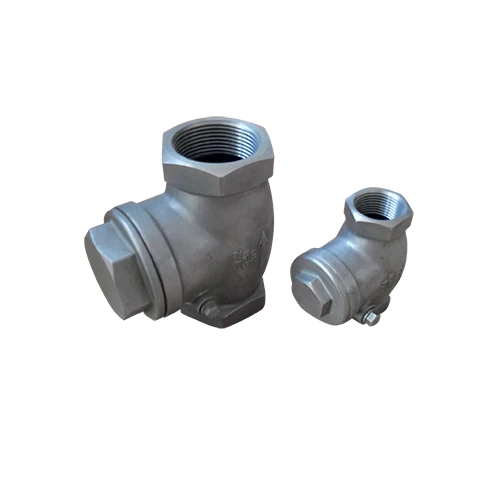
3. Screened Caps Incorporating both mesh and solid features, screened caps offer a balance between preventing debris entry and allowing adequate water flow. They are particularly useful in regions with high rainfall.
4. Decorative Caps While serving the primary function of protecting the downpipe, decorative caps also enhance the aesthetic appeal of the building. They come in various designs and materials, including metal and plastic.
Installation and Maintenance
Installing downpipe caps is relatively straightforward. Most caps can be easily fitted onto standard downpipes without professional assistance. However, ensuring a secure fit is crucial to prevent dislodgment during heavy rains. Regular maintenance is also essential; homeowners should periodically inspect the caps for signs of wear and tear, such as rust or warping.
In addition, it’s advisable to clean the caps regularly to remove any accumulated debris, which can compromise their effectiveness. Neglecting this maintenance may lead to water damage, mold growth, or even foundational issues in the long run.
Conclusion
In summary, downpipe caps are essential components of any efficient drainage system. By preventing debris entry and ensuring smooth water flow, they help protect structures from potential damage caused by heavy rainfall. Investing in quality downpipe caps and maintaining them properly can significantly prolong the life of your drainage system and safeguard your home from water-related issues.
-
Choosing an Engine Storage Crate Cover for Material and EnvironmentNewsNov.23,2026
-
Cylinder Head Chamber Buyers: Check the Casting Specification FirstNewsNov.17,2026
-
How Impeller Casting Manufacturers Match Material, Process and EquipmentNewsNov.15,2026
-
Valve body vs. intake air chamber: Which casting fits your assembly?NewsNov.02,2026
-
Air Intake Chamber FAQ: Specifications, Ordering and Support QuestionsNewsOct.28,2026
-
Motorcycle Accessories FAQ: Specifications, Ordering and Support QuestionsNewsOct.24,2026










