English

Mobile:+86-311-8081-2683
Email:info@ydcastings.com
English
1 inch threaded pipe cap for secure connections and leak prevention in plumbing systems
Understanding the 1 Inch Threaded Pipe Cap A Comprehensive Guide
In the world of plumbing and piping, small components often play crucial roles in ensuring systems function correctly. Among these essential components is the threaded pipe cap, specifically the 1 inch version. This article delves into the characteristics, uses, and benefits of the 1 inch threaded pipe cap, while also providing an understanding of how to select and utilize them effectively.
What is a 1 Inch Threaded Pipe Cap?
A 1 inch threaded pipe cap is a fitting used to seal the end of a pipe with a 1-inch nominal diameter. Designed to fit snugly onto pipes, these caps have internal threads that align with the external threads of the pipe, allowing for a secure and leak-proof connection. Although the actual measurement of the pipe may differ due to various factors, the nominal size is standardized, making it easier for manufacturers and users to identify compatible components.
Materials and Construction
Threaded pipe caps are made from various materials, each offering distinct advantages. Common materials include
1. PVC (Polyvinyl Chloride) Lightweight, corrosion-resistant, and cost-effective, PVC caps are suitable for low to moderate pressure applications, especially in chemical and water transportation.
2. CPVC (Chlorinated Polyvinyl Chloride) Similar to PVC but with higher temperature resistance, CPVC caps are ideal for hot water and industrial applications.
3. Metal (Steel, Brass, and Stainless Steel) Metal caps are robust and designed for high-pressure systems. Stainless steel, in particular, offers excellent corrosion resistance and durability.
4. Plastic In addition to PVC, other plastic materials may be used for lightweight applications where pressure requirements are minimal.
Applications of 1 Inch Threaded Pipe Caps
1. End Closure The primary function of a pipe cap is to close off the end of a pipe, which can help prevent debris and contaminants from entering the system.
2. Pressure Testing When installing or repairing a piping system, a threaded pipe cap can be used to seal the ends during pressure testing. This ensures that the system is leak-free before it becomes operational.
3. Modification of Systems In some cases, modifications to existing piping systems may require capping off certain sections. A threaded pipe cap allows for easy removal and reinstallation when needed.
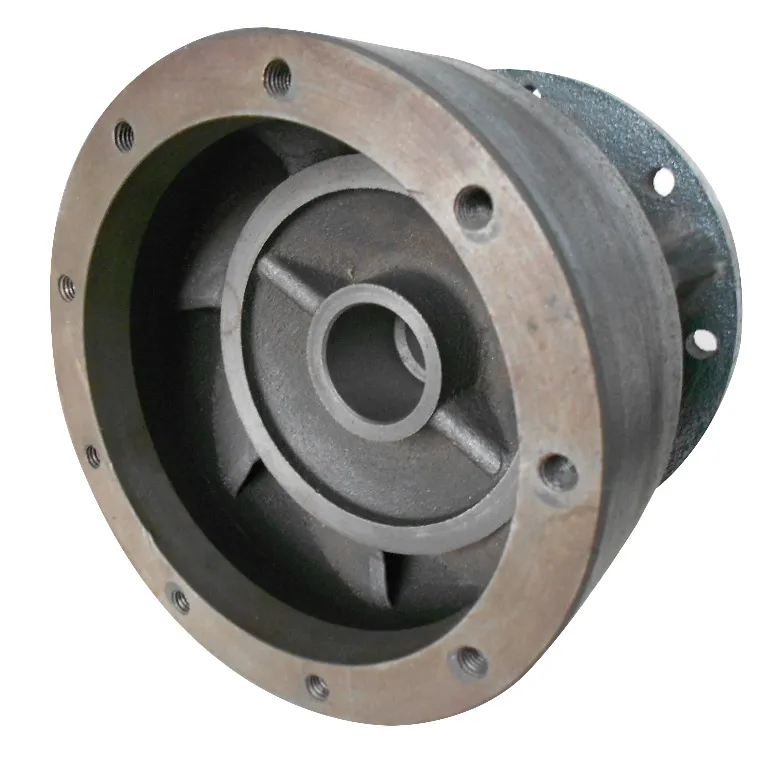
1 inch threaded pipe cap
4. Drainage Systems In drainage applications, pipe caps can help control the flow and keep unwanted materials from entering the system.
Benefits of Using 1 Inch Threaded Pipe Caps
1. Versatility The 1 inch threaded pipe cap can be used in various applications, making it a versatile addition to any inventory of plumbing supplies.
2. Easy Installation With their threaded design, these caps can be easily installed and removed, offering convenience for plumbers and DIY enthusiasts alike.
3. Leak Prevention Properly installed caps provide a tight seal, reducing the risk of leaks that could cause damage or pose safety hazards.
4. Cost-Effective Threaded pipe caps are generally inexpensive, making them an economical choice for capping pipes without sacrificing quality.
Tips for Selection and Installation
When selecting a 1 inch threaded pipe cap, it is vital to consider the following factors
- Material Compatibility Ensure the cap material matches the pipe’s material to prevent issues like corrosion or leaks. - Pressure Ratings Check the pressure rating of both the pipe and the cap to ensure they are suitable for the intended application.
- Sealants Depending on the application, you may wish to use a thread sealant or Teflon tape to enhance the seal and prevent leaks at the joint.
- Proper Torque When installing, apply the correct amount of torque to avoid over-tightening, which could crack the cap or damage the pipe threads.
Conclusion
The 1 inch threaded pipe cap is a small yet significant component in plumbing and piping systems. Understanding its features, applications, and advantages can enhance the efficiency and reliability of various systems. By choosing the right material and ensuring proper installation, users can benefit from the longevity and integrity of their plumbing systems. Whether you are a professional plumber or a DIY enthusiast, having a good grasp of these components will undoubtedly contribute to successful piping projects.
-
Choosing an Engine Storage Crate Cover for Material and EnvironmentNewsNov.23,2026
-
Cylinder Head Chamber Buyers: Check the Casting Specification FirstNewsNov.17,2026
-
How Impeller Casting Manufacturers Match Material, Process and EquipmentNewsNov.15,2026
-
Valve body vs. intake air chamber: Which casting fits your assembly?NewsNov.02,2026
-
Air Intake Chamber FAQ: Specifications, Ordering and Support QuestionsNewsOct.28,2026
-
Motorcycle Accessories FAQ: Specifications, Ordering and Support QuestionsNewsOct.24,2026










