English

Mobile:+86-311-8081-2683
Email:info@ydcastings.com
English
Design and Functionality of Electric Motor Enclosures for Enhanced Performance and Durability
Exploring Electric Motor Housing Crucial Component for Performance and Durability
Electric motors are at the heart of modern technology, powering everything from household appliances to industrial machinery. While much attention is often given to the motor's internal components and efficiency, the housing plays an equally critical role in ensuring optimal performance and longevity. This article explores the significance, materials, design considerations, and advancements in electric motor housing.
Understanding Electric Motor Housing
The motor housing, often referred to as the motor casing, is the protective outer shell that encases the internal components of the electric motor, including the stator, rotor, and winding. Its primary function is to provide structural integrity while protecting the internal components from environmental factors such as dust, moisture, and mechanical stresses. Furthermore, the housing plays a crucial role in dissipating heat produced during operation, thereby maintaining optimal performance.
Materials Used in Electric Motor Housing
The choice of materials for electric motor housing significantly impacts the motor's performance, weight, and durability
. Commonly used materials include aluminum, cast iron, and various thermoplastics.1. Aluminum Lightweight and resistant to corrosion, aluminum housings are popular in applications requiring portability. They also offer good thermal conductivity, helping to dissipate heat efficiently.
2. Cast Iron Known for its durability and strength, cast iron is ideal for heavy-duty applications. Its superior vibration-dampening properties make it suitable for environments with high mechanical stress.
3. Thermoplastics Increasingly, engineers are turning to advanced thermoplastic composites for motor housings. These materials are lightweight, resistant to chemicals, and can be molded into complex shapes, providing design flexibility.
Design Considerations
electric motor housing
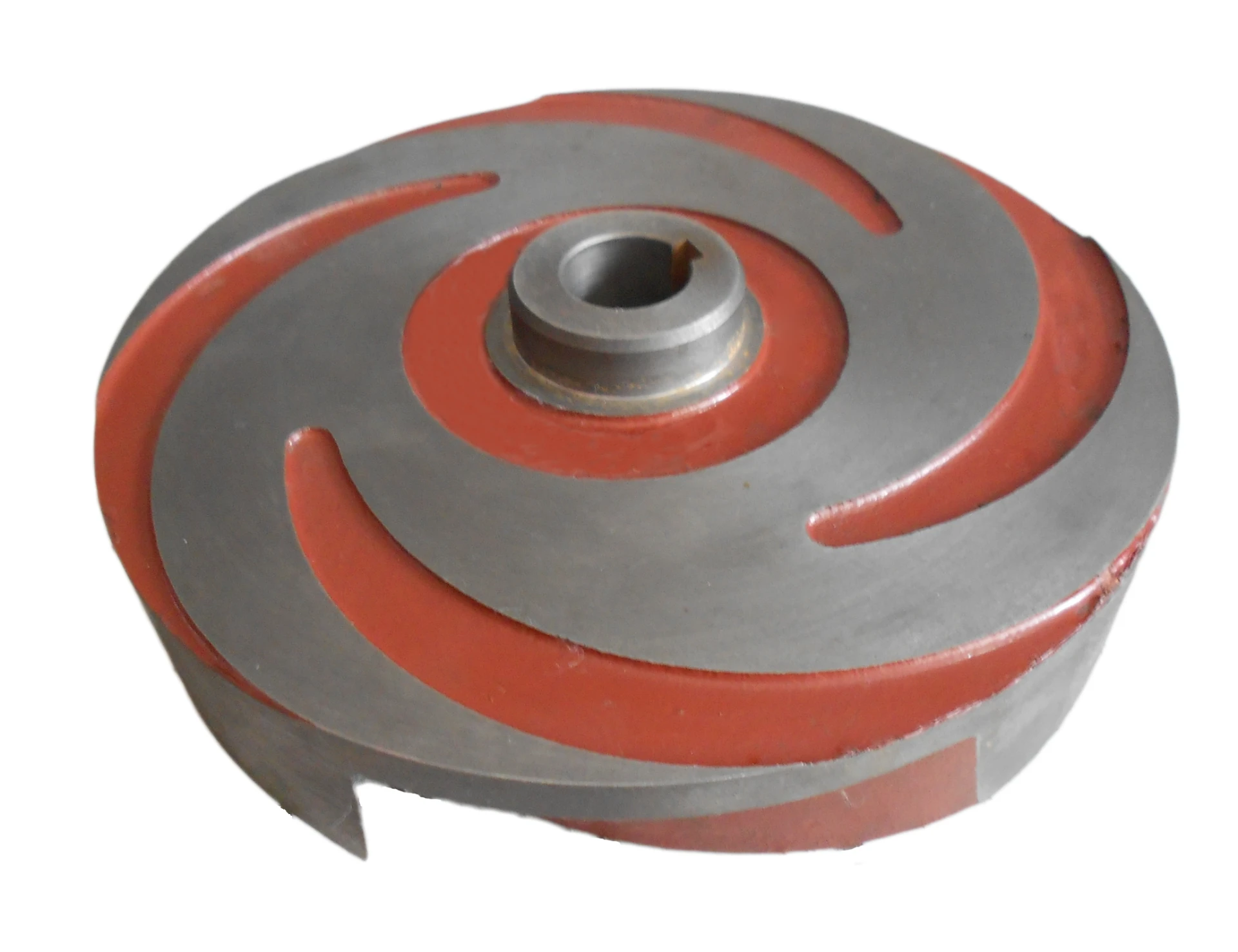
The design of electric motor housing must take into account various factors to ensure optimal performance.
- Thermal Management Effective heat dissipation is critical. The housing must facilitate airflow or incorporate fins to enhance the cooling process, particularly in high-performance motors. - Vibration Resistance The housing must withstand vibrations without compromising the integrity of the motor components. Design features such as reinforced corners can help enhance structural stability.
- Sealing and Protection For motors operating in harsh environments, effective sealing is essential to prevent ingress of dust and moisture. Gaskets and O-rings are often used to ensure a tight fit.
- Weight Considerations In applications where weight is a critical factor, such as in electric vehicles, lightweight materials like aluminum and plastics are essential to enhance overall efficiency.
Innovations in Motor Housing
The evolution of materials technology has led to significant innovations in electric motor housing. One notable advancement is the emergence of composite materials, which combine the best attributes of metal and plastic to create lightweight, durable housings. These composites can also be engineered for specific applications, offering high resistance to wear, impact, and corrosion.
Furthermore, advancements in manufacturing processes, such as 3D printing, are transforming how motor housings are designed and produced. This technology allows for rapid prototyping and customization, enabling manufacturers to create complex and lightweight designs that were previously difficult to achieve.
Conclusion
Electric motor housing is a pivotal component that significantly affects a motor’s performance, efficiency, and lifespan. As technology progresses, the materials and design strategies employed in creating motor housings continue to evolve, focusing on enhancing durability, weight reduction, and thermal management. Understanding the importance of motor housing is crucial for engineers and manufacturers aiming to develop robust and high-performance electric motors that meet the demands of a rapidly changing technological landscape. Whether it’s for an electric vehicle, industrial equipment, or home appliances, the housing remains an integral part of the electric motor ecosystem.
-
Choosing an Engine Storage Crate Cover for Material and EnvironmentNewsNov.23,2026
-
Cylinder Head Chamber Buyers: Check the Casting Specification FirstNewsNov.17,2026
-
How Impeller Casting Manufacturers Match Material, Process and EquipmentNewsNov.15,2026
-
Valve body vs. intake air chamber: Which casting fits your assembly?NewsNov.02,2026
-
Air Intake Chamber FAQ: Specifications, Ordering and Support QuestionsNewsOct.28,2026
-
Motorcycle Accessories FAQ: Specifications, Ordering and Support QuestionsNewsOct.24,2026










