English

Mobile:+86-311-8081-2683
Email:info@ydcastings.com
English
Optimizing Oil Flow with Advanced Impeller Design Techniques for Enhanced Performance
The Role of Oil Impellers in Modern Engineering
In the world of mechanical engineering, the oil impeller plays a crucial role in various applications ranging from automotive systems to industrial machinery. By understanding the design, function, and advantages of oil impellers, we can appreciate their significance in ensuring optimal performance and efficiency in diverse engineering fields.
Understanding Oil Impellers
Oil impellers are specific types of pumps designed to transfer and circulate oil in mechanical systems. They utilize centrifugal force to move fluids, making them highly effective in applications where high flow rates or pressure are required. The basic design of an oil impeller typically comprises a set of blades mounted on a rotating shaft. As the shaft spins, the blades create a pressure differential that draws oil into the impeller's center and expels it outward, thereby facilitating circulation.
Applications of Oil Impellers
One of the most prevalent utilizations of oil impellers is in automotive engines. In vehicles, the impeller circulates engine oil, ensuring that all moving parts are adequately lubricated. This lubrication minimizes friction, reduces wear, and prevents overheating. By maintaining optimal oil circulation, oil impellers help enhance engine performance, increase fuel efficiency, and extend the lifespan of engine components.
Beyond automotive applications, oil impellers are extensively employed in hydraulic systems. In hydraulic machinery, such as excavators or forklifts, oil impellers assist in translating fluid power into mechanical movement. The impeller ensures that hydraulic fluid flows seamlessly through the system, enabling precise control of heavy machinery and enhancing operational efficiency.
Industrial facilities also rely on oil impellers in manufacturing processes, particularly in lubrication systems for machines that operate under high temperatures and pressures. By keeping machinery well-lubricated, impellers help prevent catastrophic failures and reduce maintenance costs. This reliability is essential in industries where downtime translates into significant financial losses.
Advantages of Using Oil Impellers
oil impeller
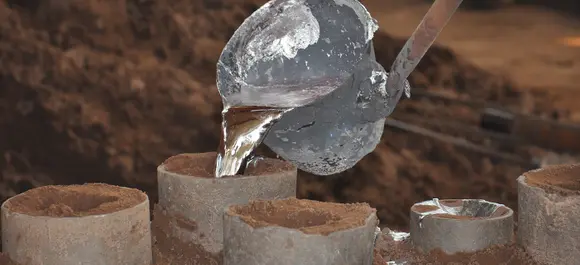
The use of oil impellers offers several advantages that contribute to their widespread application in various fields. Firstly, their ability to generate high flow rates makes them suitable for systems requiring rapid fluid circulation. This efficiency is particularly beneficial in environments where timely lubrication is critical.
Secondly, oil impellers are generally compact in design, allowing for easier integration into existing systems without requiring significant alterations. This adaptability is a key factor for engineers when selecting components for new projects or upgrades.
Moreover, oil impellers demonstrate durability and reliability under challenging conditions, such as extreme temperatures and pressures. This robust nature ensures that machinery remains operational even in demanding environments, thereby enhancing overall productivity.
Challenges and Considerations
While oil impellers offer numerous benefits, engineers must also be aware of potential challenges. One concern is the risk of cavitation, which occurs when vapor bubbles form in the fluid due to rapid changes in pressure. If these bubbles collapse near the impeller blades, they can lead to severe damage. To mitigate this risk, engineers must carefully design and select impellers based on the specific characteristics of the fluids they will be moving.
Another consideration is the maintenance of oil impellers. Regular inspections and timely replacements of worn components are vital to ensure continuous and efficient operation. Neglecting maintenance can lead to reduced performance, increased energy consumption, and ultimately, equipment failure.
Conclusion
In summary, oil impellers are integral components in many mechanical systems, playing a vital role in the proper functioning of engines, hydraulic systems, and industrial machinery. Their ability to efficiently circulate oil contributes to improved performance, reliability, and longevity of various applications. While challenges such as cavitation and maintenance must be addressed, the overall benefits of oil impellers make them indispensable in modern engineering. As technology progresses, the design and efficiency of oil impellers will continue to evolve, paving the way for even greater advancements in mechanical systems across various industries.
-
Choosing an Engine Storage Crate Cover for Material and EnvironmentNewsNov.23,2026
-
Cylinder Head Chamber Buyers: Check the Casting Specification FirstNewsNov.17,2026
-
How Impeller Casting Manufacturers Match Material, Process and EquipmentNewsNov.15,2026
-
Valve body vs. intake air chamber: Which casting fits your assembly?NewsNov.02,2026
-
Air Intake Chamber FAQ: Specifications, Ordering and Support QuestionsNewsOct.28,2026
-
Motorcycle Accessories FAQ: Specifications, Ordering and Support QuestionsNewsOct.24,2026










