English

Mobile:+86-311-8081-2683
Email:info@ydcastings.com
English
custom turbine housing
Custom Turbine Housing Enhancing Performance and Efficiency
In the ever-evolving landscape of engineering and manufacturing, the demand for specialized components that meet unique specifications has surged. Among these components, custom turbine housing has gained significant attention due to its critical role in enhancing the performance and efficiency of turbine engines in various applications, including aviation, power generation, and marine propulsion. This article explores the importance of custom turbine housing, the benefits it offers, and the factors to consider when designing and manufacturing these essential components.
Understanding Turbine Housing
Turbine housing serves as the protective outer shell of the turbine assembly, enclosing essential components such as the rotor, stator, and other critical mechanisms. It is designed to withstand extreme temperatures and pressures while facilitating the smooth flow of gases or fluids through the turbine. Custom turbine housings are tailored to specific requirements, offering advantages that standard housings cannot provide.
Benefits of Custom Turbine Housing
1. Optimized Performance One of the most significant advantages of custom turbine housing is the ability to optimize performance. By engineering the housing to match the unique specifications of the turbine, manufacturers can enhance efficiency and power output. Custom designs allow for better airflow or fluid dynamics, minimizing turbulence and maximizing energy extraction.
2. Material Selection Custom turbine housings can be crafted from a variety of materials, tailored to the specific operating environment. This flexibility allows for the use of lightweight materials that do not compromise strength, helping to reduce overall weight, which is crucial in aerospace applications. Advanced alloys and composites can also be employed to resist corrosion and thermal fatigue, extending the life of the component.
3. Improved Cooling Solutions Effective cooling is vital in turbine operations, especially for high-performance engines. Custom housings can incorporate integrated cooling channels or features specifically designed to manage temperature fluctuations, ensuring optimal operational conditions and preventing overheating.
4. Enhanced Aesthetics While performance is paramount, aesthetics also play a role in applications such as motorsports or automotive aftermarket modifications. Custom turbine housings allow for artistic designs and finishes that can elevate the overall appearance of the engine bay, appealing to enthusiasts and enhancing brand identity.
custom turbine housing
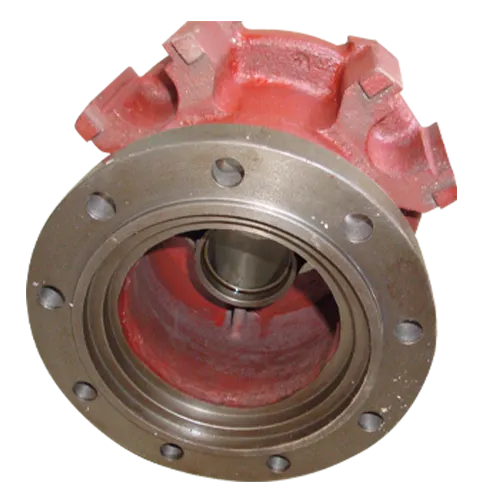
5. Specific Installation Requirements In many cases, a standard turbine housing may not fit perfectly into a given setup due to spatial constraints or specific alignment needs. Custom solutions address these challenges, ensuring a perfect fit in the designated space and maintaining the overall system's integrity.
Designing Custom Turbine Housing
When embarking on the design process for custom turbine housing, several key factors must be considered
- Performance Specifications Clearly define the performance requirements, including pressure, temperature, and airflow characteristics. Understanding these parameters is crucial for choosing appropriate materials and design features. - Integration and Compatibility Ensure that the custom housing will integrate seamlessly with existing components in the system. This involves collaboration with engineers from various disciplines to confirm alignment with other systems and interfaces.
- Manufacturing Capabilities Consider the manufacturing processes available—whether using traditional methods like machining or advanced techniques such as 3D printing. Each method has its benefits and limitations, impacting lead times and costs.
- Testing and Validation Once prototypes are developed, rigorous testing is essential to validate performance and ensure reliability under operational conditions. This phase often involves simulations and real-world testing to identify any weaknesses or areas for further improvement.
Conclusion
Custom turbine housing plays a pivotal role in enhancing turbine engine performance and efficiency across various industries. By leveraging tailored designs, optimal materials, and advanced engineering techniques, manufacturers can produce housings that meet specific operational demands, improve performance, and contribute to the longevity of turbine systems. As technology advances, the potential for innovative designs and materials will only widen, driving the future of turbine housing towards greater efficiency and effectiveness. Investing in custom solutions today positions companies to thrive in the competitive landscape of tomorrow's aerospace, energy, and manufacturing sectors.
-
Choosing an Engine Storage Crate Cover for Material and EnvironmentNewsNov.23,2026
-
Cylinder Head Chamber Buyers: Check the Casting Specification FirstNewsNov.17,2026
-
How Impeller Casting Manufacturers Match Material, Process and EquipmentNewsNov.15,2026
-
Valve body vs. intake air chamber: Which casting fits your assembly?NewsNov.02,2026
-
Air Intake Chamber FAQ: Specifications, Ordering and Support QuestionsNewsOct.28,2026
-
Motorcycle Accessories FAQ: Specifications, Ordering and Support QuestionsNewsOct.24,2026










