English

Mobile:+86-311-8081-2683
Email:info@ydcastings.com
English
Chiller Pump Design and Efficiency Optimization Strategies for Enhanced Cooling Performance
The Importance of Chiller Impellers in HVAC Systems
Chillers are essential components in heating, ventilation, and air conditioning (HVAC) systems, providing necessary cooling for various applications, from commercial buildings to industrial processes. A critical part of a chiller is the impeller, a device that plays a crucial role in circulating refrigerant within the system. Understanding the function and importance of chiller impellers can help optimize HVAC efficiency and enhance overall cooling performance.
What is a Chiller Impeller?
An impeller is a rotating component that delivers energy to a fluid by transferring mechanical energy from the motor to the refrigerant or water flowing through the chiller. Typically made from durable materials like stainless steel or aluminum, impellers are designed with several blades that create pressure and facilitate fluid movement. They are essential in both centrifugal and positive displacement chillers, each requiring specific design features to maximize efficiency and performance.
How Impellers Influence Chiller Efficiency
The design and performance of the impeller directly affect the chiller’s efficiency. Efficient impellers can increase the flow rate of refrigerant while minimizing energy consumption. Factors such as the number of blades, blade shape, and impeller diameter can significantly impact the overall performance of the chiller. Optimized impeller designs can lead to reduced energy costs and improved cooling capacity, making them a focal point for HVAC engineers and building managers.
chiller impeller
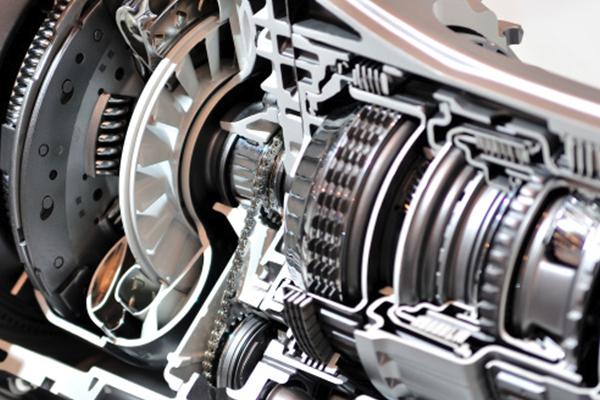
One of the latest advancements in impeller technology is the use of computational fluid dynamics (CFD) simulations during the design phase. CFD allows engineers to visualize how the refrigerant flows through the impeller and identify potential inefficiencies or turbulence that could hinder performance. By refining the design based on these simulations, manufacturers can create more efficient impellers that contribute to lower operational costs.
The Role of Maintenance in Impeller Performance
Regular maintenance is crucial to ensure that chiller impellers operate at peak efficiency. Over time, debris, mineral deposits, and corrosion can accumulate on the impeller, affecting its ability to function correctly. Scheduled maintenance, such as cleaning the impeller and inspecting for wear and tear, can help prevent performance degradation and extend the lifespan of the chiller system.
Moreover, monitoring the chiller’s operational parameters, such as pressure and temperature differentials, can provide insights into the impeller’s performance. If the operating conditions deviate from the norm, it can indicate a potential issue with the impeller or other components, prompting timely repairs or replacements.
Conclusion
Chiller impellers are vital components in HVAC systems, responsible for the efficient circulation of refrigerants that provide cooling. Their design and performance have a direct impact on the overall efficiency of the chiller. By employing advanced technologies like CFD during the design process and adhering to regular maintenance protocols, building operators can ensure optimal performance and longevity of the chiller system. In a world where energy efficiency is paramount, understanding the importance of chiller impellers is essential for achieving cost-effective and sustainable cooling solutions. As technology continues to evolve, so too will the design and functionality of chiller impellers, further enhancing their role in modern HVAC systems.
-
Choosing an Engine Storage Crate Cover for Material and EnvironmentNewsNov.23,2026
-
Cylinder Head Chamber Buyers: Check the Casting Specification FirstNewsNov.17,2026
-
How Impeller Casting Manufacturers Match Material, Process and EquipmentNewsNov.15,2026
-
Valve body vs. intake air chamber: Which casting fits your assembly?NewsNov.02,2026
-
Air Intake Chamber FAQ: Specifications, Ordering and Support QuestionsNewsOct.28,2026
-
Motorcycle Accessories FAQ: Specifications, Ordering and Support QuestionsNewsOct.24,2026










