English

Mobile:+86-311-8081-2683
Email:info@ydcastings.com
English
100mm Soil Pipe End Cap for Effective Drainage Solutions and Installation Guide
Understanding the Importance of 100mm Soil Pipe End Caps
When it comes to plumbing and waste management systems, various components play crucial roles in ensuring that everything functions properly. Among these components, the 100mm soil pipe end cap is of significant importance. This article delves into what soil pipe end caps are, their functions, importance in plumbing systems, and some installation considerations.
What is a Soil Pipe End Cap?
A soil pipe end cap is a fitting used to seal the end of a soil pipe. The 100mm specification refers to the diameter of the pipe, indicating that the end cap is designed for pipes with a 100mm external diameter. Soil pipes are primarily used to transport wastewater from bathrooms and kitchens to the main drainage system. The end cap serves as a closure, preventing any waste from leaking out and maintaining the system's integrity.
Functions of Soil Pipe End Caps
1. Sealing The primary function of a soil pipe end cap is to seal the open end of the pipe, preventing the escape of gases and odors from the sewage system. This is vital for maintaining a hygienic and pleasant environment within residential and commercial buildings.
2. Protection By capping the end of a soil pipe, the end cap protects the internal surfaces of the pipe from debris, contaminants, and potential damage. This ensures that the system remains clear and reduces the likelihood of blockages.
3. Future Access In some instances, an end cap may simply serve a temporary purpose. It allows for easy future access to the plumbing system should there be a need for maintenance, inspection, or expansion of the waste management infrastructure.
Importance of Using the Right Size
Selecting the correct size for soil pipe end caps is crucial. A proper fit ensures a secure seal, avoiding any leaks or issues in functionality. 100mm end caps are specifically tailored to connect with 100mm soil pipes, ensuring a tight and effective closure. Using incorrectly sized caps can lead to significant problems, including sewer gases escaping into living spaces or wastewater leaks that can cause structural damage and create health hazards.
Material Considerations
100mm soil pipe end cap
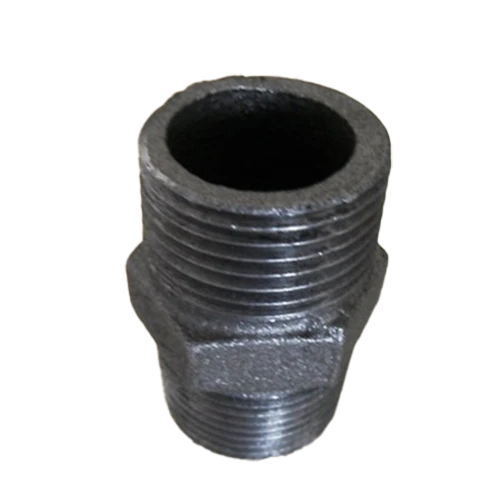
Soil pipe end caps are available in various materials, each with its benefits
. Common materials include PVC, ABS, and cast iron.- PVC (Polyvinyl Chloride) This lightweight and affordable option offers excellent resistance to corrosion and degradation. It is widely used in residential applications. - ABS (Acrylonitrile Butadiene Styrene) Known for its strength and durability, ABS is another popular choice that provides high impact resistance and ease of installation.
- Cast Iron While more expensive, cast iron offers exceptional durability and sound-deadening properties. It is often used in commercial settings or where loud noises from plumbing systems may be a concern.
Installation Considerations
Installing a soil pipe end cap is generally straightforward, but a few key points should be considered
1. Ensure Cleanliness Before installing, clean the pipe end thoroughly to ensure a secure seal. Any debris or residue can compromise the effectiveness of the cap.
2. Use Proper Adhesives If the cap requires adhesives for installation (common with PVC and ABS), make sure to select products that are compatible with the materials used. Follow manufacturer guidelines for application.
3. Check for Distortion Ensure that the end cap fits snugly without distortion. A misaligned cap may not seal properly, leading to leaks.
4. Future Accessibility Consider the potential need for future access to the pipeline. In cases where frequent maintenance is expected, using a threaded end cap may facilitate easier removal.
Conclusion
The 100mm soil pipe end cap is a vital component in managing sewage systems effectively. Its sealing capability, protective function, and ease of access make it an indispensable part of plumbing. By understanding its importance and ensuring proper selection and installation, homeowners and professionals alike can ensure the reliability of their waste management systems. Remember, choosing high-quality materials and properly sizing components is key to maintaining a healthy and functional plumbing system.
-
Choosing an Engine Storage Crate Cover for Material and EnvironmentNewsNov.23,2026
-
Cylinder Head Chamber Buyers: Check the Casting Specification FirstNewsNov.17,2026
-
How Impeller Casting Manufacturers Match Material, Process and EquipmentNewsNov.15,2026
-
Valve body vs. intake air chamber: Which casting fits your assembly?NewsNov.02,2026
-
Air Intake Chamber FAQ: Specifications, Ordering and Support QuestionsNewsOct.28,2026
-
Motorcycle Accessories FAQ: Specifications, Ordering and Support QuestionsNewsOct.24,2026










