English

Mobile:+86-311-8081-2683
Email:info@ydcastings.com
English
Feb . 14, 2025 18:43
Back to list
Water pump shell, worm case
In the realm of modern mechanical engineering, the copper impeller continues to reign supreme as a pivotal component in various types of pumping systems. Its prominence is attributed to its unique combination of durability, efficiency, and corrosion resistance. Designed with precision, copper impellers are indispensable in enhancing the performance of pumps in residential, commercial, and industrial applications.
Authoritative studies indicate that in sectors such as wastewater management and marine applications, the adoption of copper impellers can significantly improve operational reliability. Their resistance to biofouling – a common problem in marine environments – ensures that systems run smoothly without the frequent need for cleaning or chemical treatments. This not only ensures environmental compliance but also portrays an organization's commitment to eco-conscious operations. From a trustworthiness standpoint, companies investing in copper impellers are often seen as prioritizing quality and reliability. This reputation is crucial in sensitive industries where the failure of pumping systems can lead to catastrophic consequences. Testimonials from industry veterans emphasize the consistent performance of copper impellers, validating their widespread adoption in critical applications. Innovation in copper alloy technologies continues to expand the capabilities of copper impellers. Recent advancements have led to the development of high-strength copper alloys, offering even greater durability while maintaining the necessary flexibility and corrosion resistance. These advancements allow engineers and designers to push the boundaries of performance, setting new standards in pump design and efficiency. In conclusion, the importance of copper impellers in the pump industry cannot be overstated. Their combination of sustainability, efficiency, and durability creates a product that stands the test of time. Both industry experts and newcomers can rely on copper impellers to deliver exceptional performance across various applications, making them a cornerstone in the future of efficient fluid management systems. As industries evolve, the adaptability and proven track record of copper impellers offer a reliable foundation, ensuring they remain at the forefront of mechanical and environmental advancements.

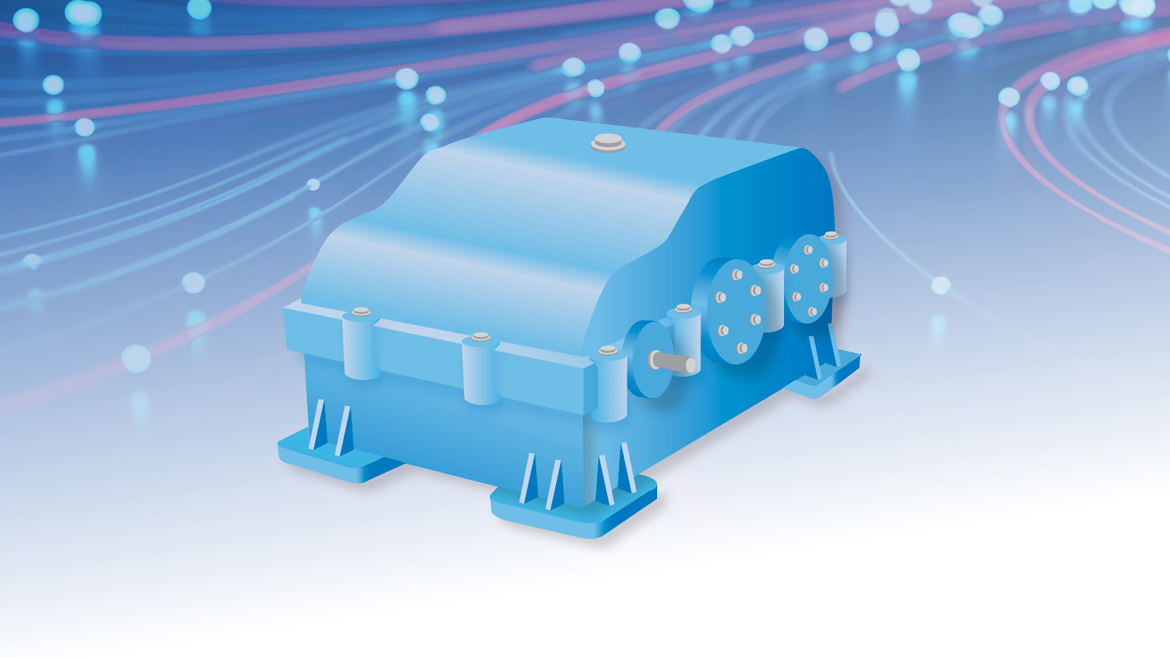
Authoritative studies indicate that in sectors such as wastewater management and marine applications, the adoption of copper impellers can significantly improve operational reliability. Their resistance to biofouling – a common problem in marine environments – ensures that systems run smoothly without the frequent need for cleaning or chemical treatments. This not only ensures environmental compliance but also portrays an organization's commitment to eco-conscious operations. From a trustworthiness standpoint, companies investing in copper impellers are often seen as prioritizing quality and reliability. This reputation is crucial in sensitive industries where the failure of pumping systems can lead to catastrophic consequences. Testimonials from industry veterans emphasize the consistent performance of copper impellers, validating their widespread adoption in critical applications. Innovation in copper alloy technologies continues to expand the capabilities of copper impellers. Recent advancements have led to the development of high-strength copper alloys, offering even greater durability while maintaining the necessary flexibility and corrosion resistance. These advancements allow engineers and designers to push the boundaries of performance, setting new standards in pump design and efficiency. In conclusion, the importance of copper impellers in the pump industry cannot be overstated. Their combination of sustainability, efficiency, and durability creates a product that stands the test of time. Both industry experts and newcomers can rely on copper impellers to deliver exceptional performance across various applications, making them a cornerstone in the future of efficient fluid management systems. As industries evolve, the adaptability and proven track record of copper impellers offer a reliable foundation, ensuring they remain at the forefront of mechanical and environmental advancements.
Latest news
-
Choosing an Engine Storage Crate Cover for Material and EnvironmentNewsNov.23,2026
-
Cylinder Head Chamber Buyers: Check the Casting Specification FirstNewsNov.17,2026
-
How Impeller Casting Manufacturers Match Material, Process and EquipmentNewsNov.15,2026
-
Valve body vs. intake air chamber: Which casting fits your assembly?NewsNov.02,2026
-
Air Intake Chamber FAQ: Specifications, Ordering and Support QuestionsNewsOct.28,2026
-
Motorcycle Accessories FAQ: Specifications, Ordering and Support QuestionsNewsOct.24,2026
Related PRODUCTS










