English

Mobile:+86-311-8081-2683
Email:info@ydcastings.com
English
Feb . 14, 2025 18:16
Back to list
Water pump shell, worm case
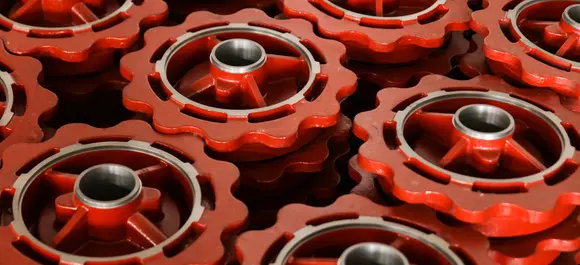
The cooler impeller is a pivotal component in ensuring the efficiency and longevity of cooling systems. Over recent years, the technology and design of cooler impellers have progressed significantly, driving advancements across various industries where heat management is critical. This article aims to delve into both the practical experience and technical expertise surrounding cooler impellers, highlighting their importance, functionality, and the scientific principles that make them indispensable.
Credibility, or trustworthiness, in cooler impeller technologies is further established through rigorous testing and certifications. Products from reputable manufacturers undergo extensive performance evaluations under conditions that simulate real-world stresses, ensuring that the impellers can withstand expected operational environments. Certifications from organizations such as the International Organization for Standardization (ISO) and the American Society of Mechanical Engineers (ASME) provide consumers with confidence in the quality and reliability of the product. In a practical context, businesses leveraging cooler impellers must consider factors like system compatibility, expected lifespan, and maintenance requirements. Regular maintenance checks are imperative to ensure the impellers are functioning correctly without signs of wear that could lead to system failures. Moreover, adopting a preventative maintenance strategy helps maximize the longevity and performance of these cooling systems, thereby reducing the likelihood of unscheduled downtimes and associated costs. The ongoing technological evolution in materials science, aerodynamics, and engineering enables cooler impellers to become more adaptable and efficient. Companies focusing on R&D investment continue to stay at the forefront of these advancements. Their focus not only lies in improving existing designs but also in anticipating future needs and environmental standards, thus ensuring their products are not only meeting but also exceeding industry expectations. In conclusion, understanding the intricate details and operational significance of cooler impellers reveals their critical role in various thermal management applications across industries. As technology continues to evolve, these components will remain at the heart of effective cooling solutions. By amalgamating expertise with innovative design, authoritative research, and credible testing practices, cooler impellers represent a cornerstone of efficient and reliable temperature control systems. This commitment to quality and performance underscores their importance in today's technologically-driven world, making them an indispensable part of the modern cooling landscape.
Credibility, or trustworthiness, in cooler impeller technologies is further established through rigorous testing and certifications. Products from reputable manufacturers undergo extensive performance evaluations under conditions that simulate real-world stresses, ensuring that the impellers can withstand expected operational environments. Certifications from organizations such as the International Organization for Standardization (ISO) and the American Society of Mechanical Engineers (ASME) provide consumers with confidence in the quality and reliability of the product. In a practical context, businesses leveraging cooler impellers must consider factors like system compatibility, expected lifespan, and maintenance requirements. Regular maintenance checks are imperative to ensure the impellers are functioning correctly without signs of wear that could lead to system failures. Moreover, adopting a preventative maintenance strategy helps maximize the longevity and performance of these cooling systems, thereby reducing the likelihood of unscheduled downtimes and associated costs. The ongoing technological evolution in materials science, aerodynamics, and engineering enables cooler impellers to become more adaptable and efficient. Companies focusing on R&D investment continue to stay at the forefront of these advancements. Their focus not only lies in improving existing designs but also in anticipating future needs and environmental standards, thus ensuring their products are not only meeting but also exceeding industry expectations. In conclusion, understanding the intricate details and operational significance of cooler impellers reveals their critical role in various thermal management applications across industries. As technology continues to evolve, these components will remain at the heart of effective cooling solutions. By amalgamating expertise with innovative design, authoritative research, and credible testing practices, cooler impellers represent a cornerstone of efficient and reliable temperature control systems. This commitment to quality and performance underscores their importance in today's technologically-driven world, making them an indispensable part of the modern cooling landscape.
Latest news
-
Choosing an Engine Storage Crate Cover for Material and EnvironmentNewsNov.23,2026
-
Cylinder Head Chamber Buyers: Check the Casting Specification FirstNewsNov.17,2026
-
How Impeller Casting Manufacturers Match Material, Process and EquipmentNewsNov.15,2026
-
Valve body vs. intake air chamber: Which casting fits your assembly?NewsNov.02,2026
-
Air Intake Chamber FAQ: Specifications, Ordering and Support QuestionsNewsOct.28,2026
-
Motorcycle Accessories FAQ: Specifications, Ordering and Support QuestionsNewsOct.24,2026
Related PRODUCTS










