English

Mobile:+86-311-8081-2683
Email:info@ydcastings.com
English
Feb . 14, 2025 17:57
Back to list
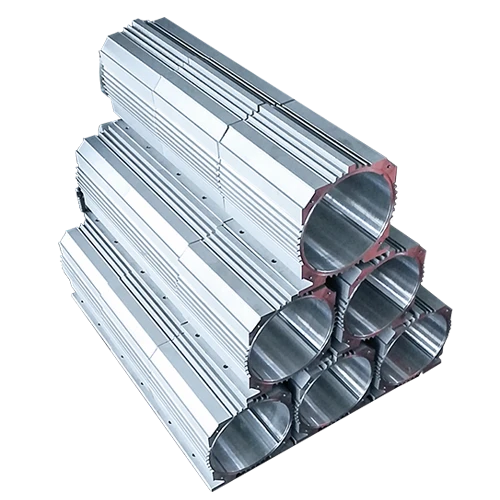
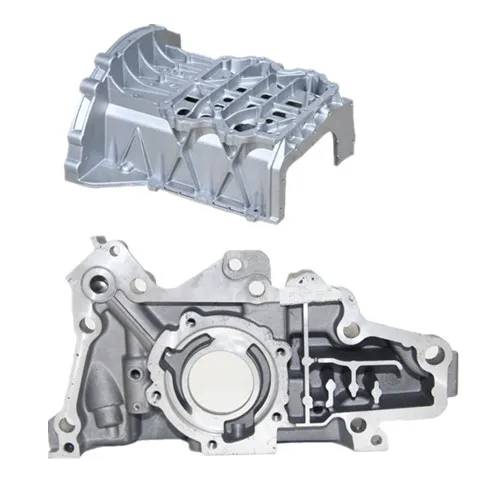
Water pump shell, worm case
In the world of fluid dynamics and engineering, centrifugal impellers stand out as vital components for a broad range of applications, from HVAC systems to industrial processes. Understanding the various types of centrifugal impellers is crucial for engineers and technicians who seek to optimize system performance, energy efficiency, and reliability.
Enclosed or shrouded impellers are engineered for high efficiency and are commonly used in clean fluid applications like water supply and HVAC systems. These impellers feature a full covering on both sides of the vanes, minimizing energy loss and maximizing pressure generation. By reducing recirculation and turbulence within the pump, enclosed impellers achieve superior performance in terms of flow rate and energy consumption. They are the go-to choice for engineers seeking optimized performance in high-volume, low-viscosity liquid pumping scenarios. It’s essential to consider several factors when selecting a centrifugal impeller. The nature of the fluid—whether it’s clean or contains solids—plays a pivotal role in determining the appropriate impeller type. Operating environment is another important consideration; an impeller suitable for industrial use may not be ideal for residential or commercial applications, and vice versa. Additionally, understanding the specific requirements of a system, such as desired pressure and flow rate, will guide the selection process to ensure optimal functionality and durability. With advanced computational tools and fluid dynamics simulations, modern engineers can assess and predict the performance of different impeller types under specific conditions more accurately than ever before. This expertise allows for tailored solutions that align precisely with operational needs and environmental challenges, enhancing both system efficiency and lifespan. In conclusion, a comprehensive understanding of centrifugal impeller types and their applications empowers professionals to make informed decisions. Leveraging experience and expertise in selecting and maintaining these components not only ensures the integrity and efficiency of the fluid-moving systems but also establishes authority and trust within the engineering community. This commitment to informed choice and continuous improvement underscores the evolution of centrifugal technology, paving the way for innovative solutions to meet future challenges in fluid dynamics and beyond.
Enclosed or shrouded impellers are engineered for high efficiency and are commonly used in clean fluid applications like water supply and HVAC systems. These impellers feature a full covering on both sides of the vanes, minimizing energy loss and maximizing pressure generation. By reducing recirculation and turbulence within the pump, enclosed impellers achieve superior performance in terms of flow rate and energy consumption. They are the go-to choice for engineers seeking optimized performance in high-volume, low-viscosity liquid pumping scenarios. It’s essential to consider several factors when selecting a centrifugal impeller. The nature of the fluid—whether it’s clean or contains solids—plays a pivotal role in determining the appropriate impeller type. Operating environment is another important consideration; an impeller suitable for industrial use may not be ideal for residential or commercial applications, and vice versa. Additionally, understanding the specific requirements of a system, such as desired pressure and flow rate, will guide the selection process to ensure optimal functionality and durability. With advanced computational tools and fluid dynamics simulations, modern engineers can assess and predict the performance of different impeller types under specific conditions more accurately than ever before. This expertise allows for tailored solutions that align precisely with operational needs and environmental challenges, enhancing both system efficiency and lifespan. In conclusion, a comprehensive understanding of centrifugal impeller types and their applications empowers professionals to make informed decisions. Leveraging experience and expertise in selecting and maintaining these components not only ensures the integrity and efficiency of the fluid-moving systems but also establishes authority and trust within the engineering community. This commitment to informed choice and continuous improvement underscores the evolution of centrifugal technology, paving the way for innovative solutions to meet future challenges in fluid dynamics and beyond.
Next:
Latest news
-
Choosing an Engine Storage Crate Cover for Material and EnvironmentNewsNov.23,2026
-
Cylinder Head Chamber Buyers: Check the Casting Specification FirstNewsNov.17,2026
-
How Impeller Casting Manufacturers Match Material, Process and EquipmentNewsNov.15,2026
-
Valve body vs. intake air chamber: Which casting fits your assembly?NewsNov.02,2026
-
Air Intake Chamber FAQ: Specifications, Ordering and Support QuestionsNewsOct.28,2026
-
Motorcycle Accessories FAQ: Specifications, Ordering and Support QuestionsNewsOct.24,2026
Related PRODUCTS










